






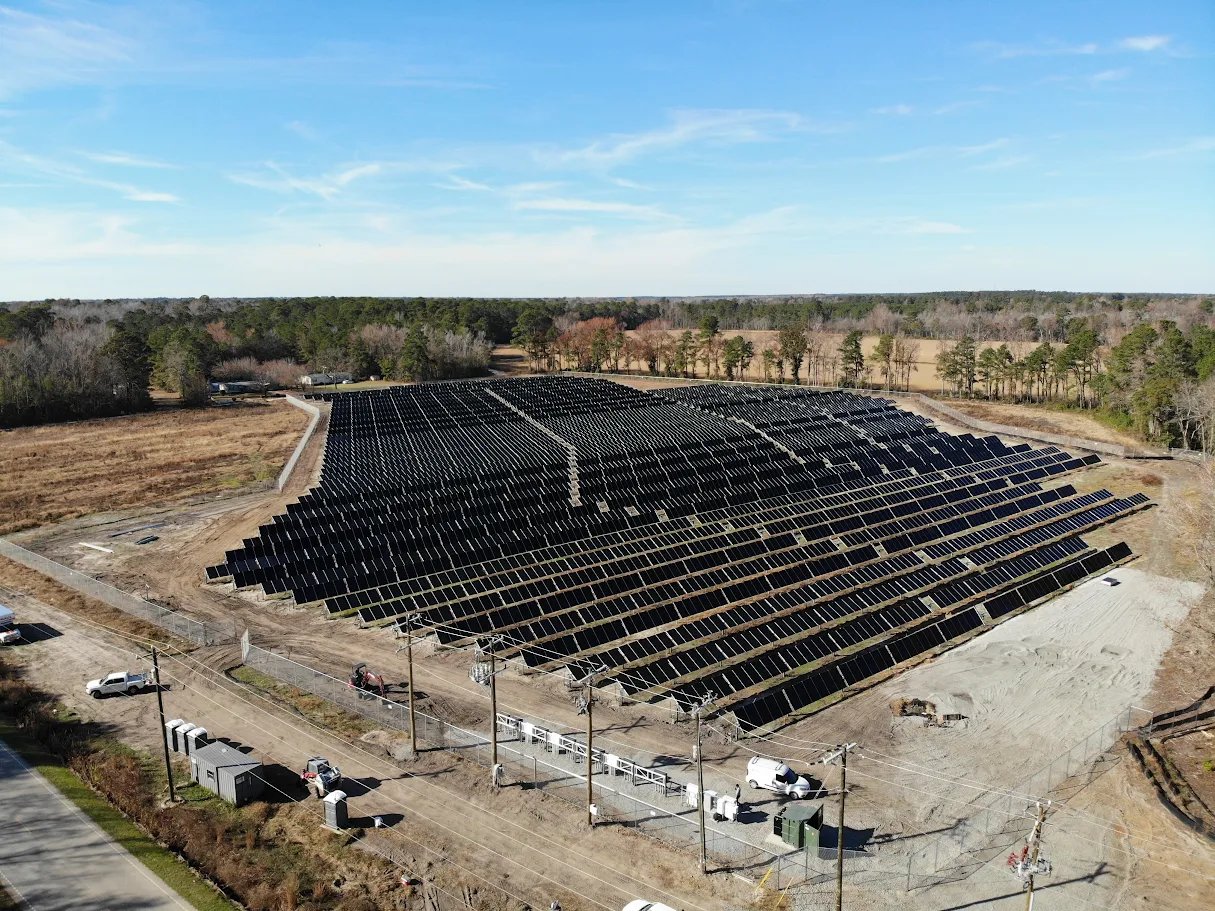
UTILITY-SCALE SOLAR INFRASTRUCTURE
Serving North and South Carolina and Virginia

Transform your land into
revenue-generating sustainable infrastructure

SCALABLE ENERGY INFRASTRUCTURE

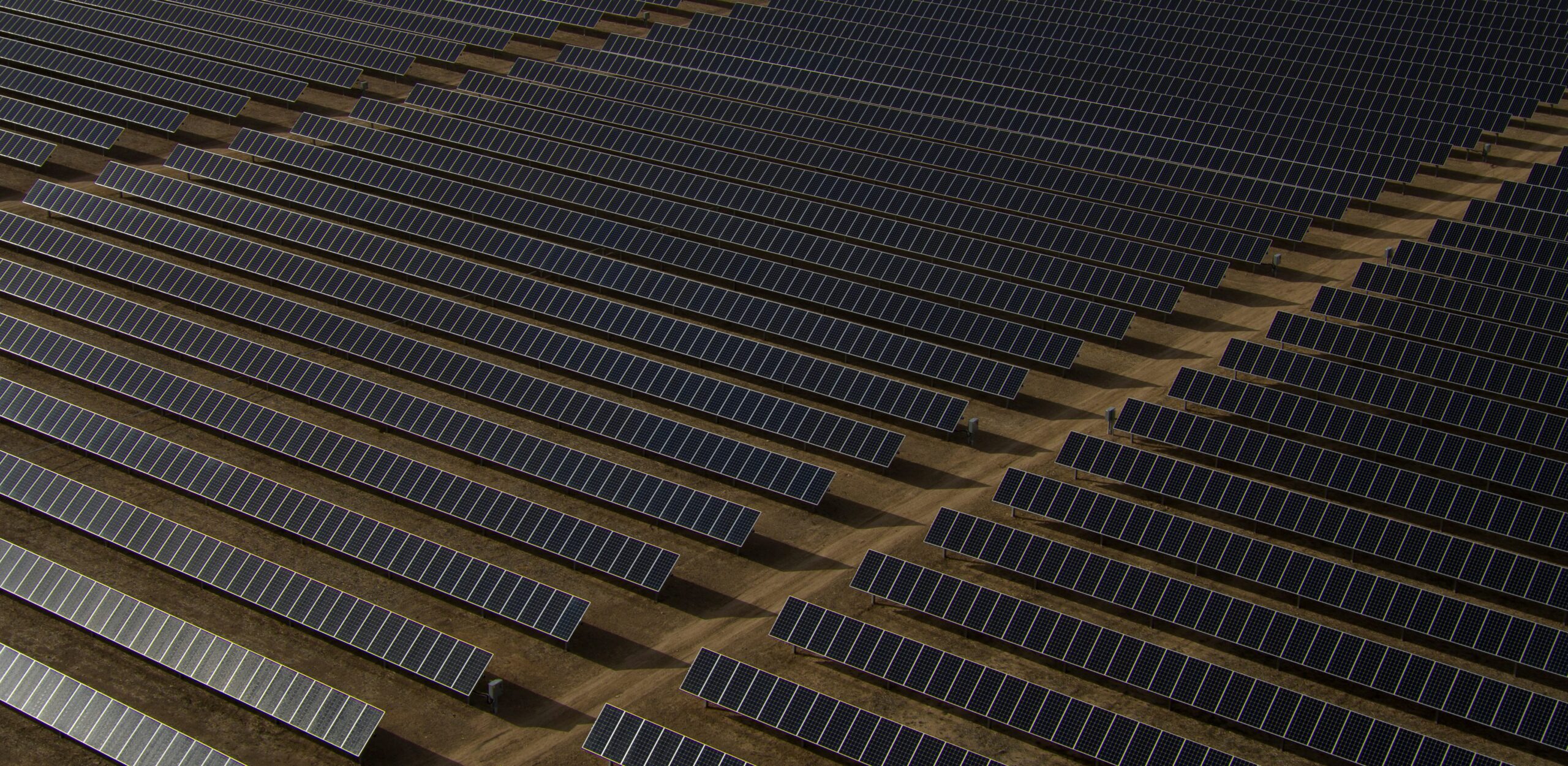
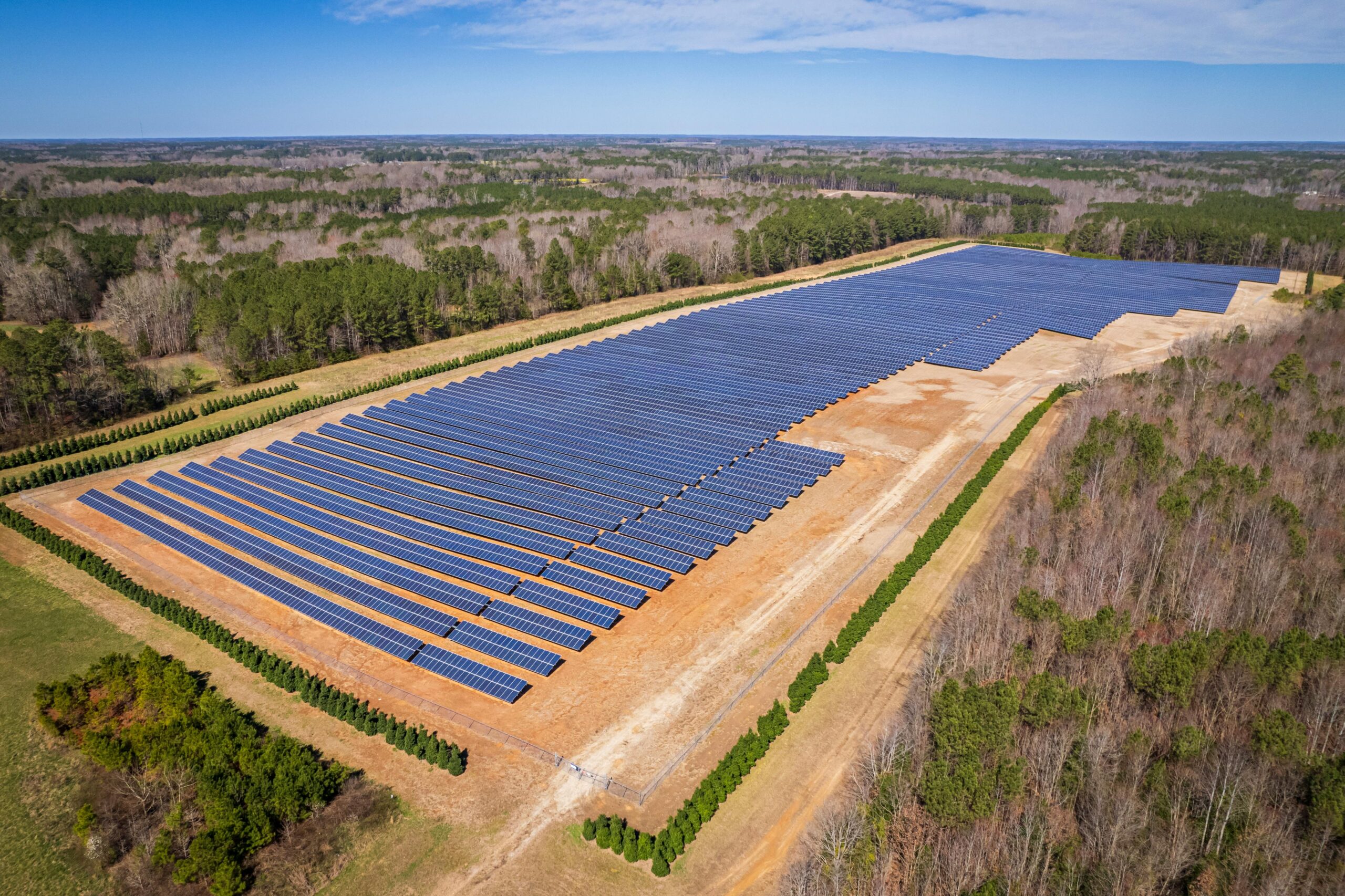
Utility-scale solar represents a critical shift from consumption-based energy to generation-based assets. Unlike standard commercial installations, these projects are designed for maximum yield and grid interoperability.


We deploy large-scale infrastructure capable of replacing legacy fossil-fuel generation, integrating advanced battery storage systems (BESS) to ensure consistent power delivery regardless of intermittency. This is not just about saving energy; it is about building a resilient, decentralized power grid.

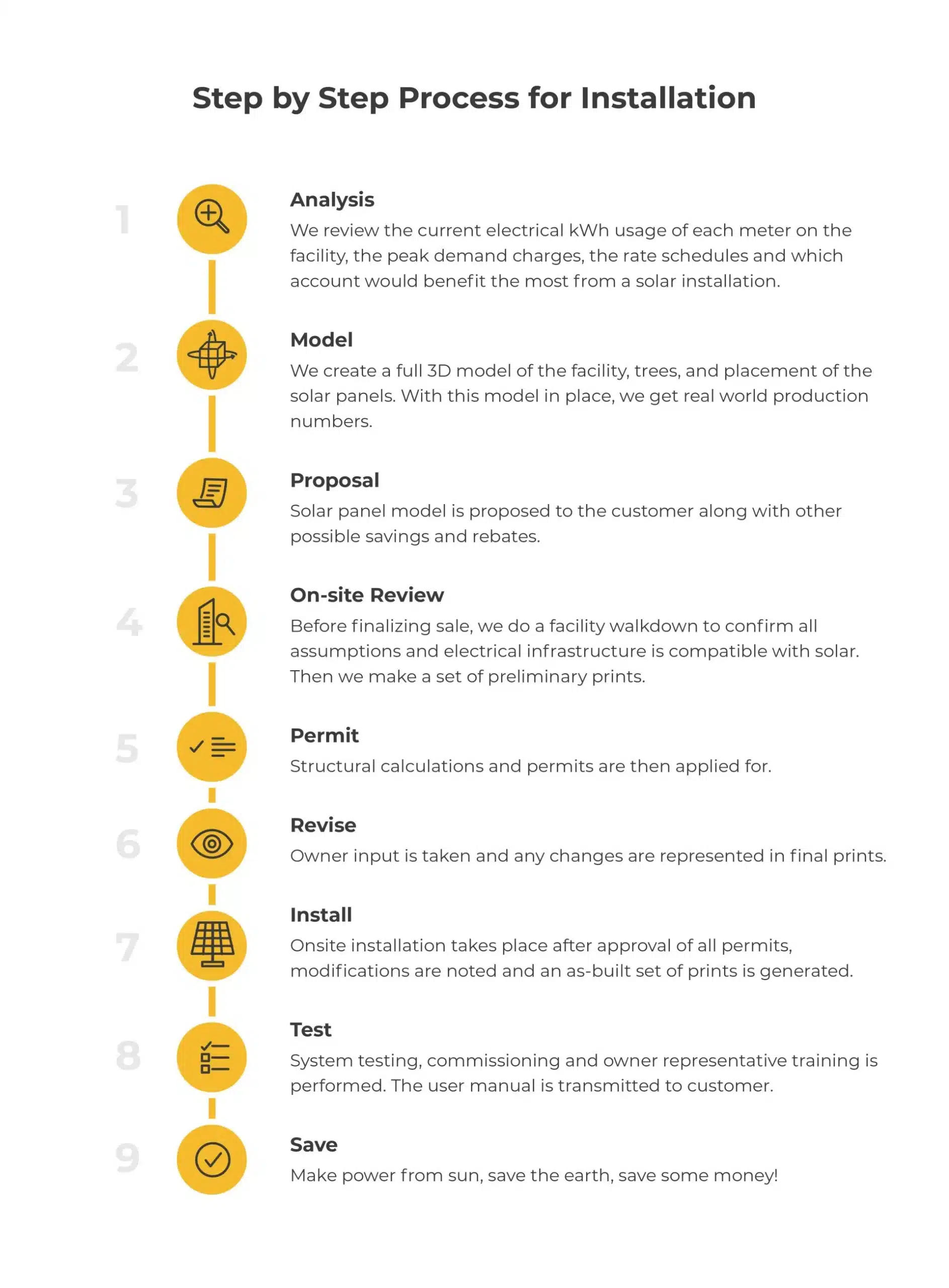
UTility Scale Solar Project Phases

We handle the full spectrum of development, from initial interconnection agreements to third-party commissioning. Our process is built for speed, transparency, and rigid adherence to utility standards.

Phase 1: Solar Resource Assessment

Satellite data and software are used to measure irradiance (how much sunlight hits that specific spot) to predict energy yield.

  • Topographical Analysis: The land is surveyed. It must be relatively flat or have a manageable grade (slope) to accommodate racking systems.
  • Interconnection Study: This is often the most critical technical step. Engineers model the local electrical grid to ensure the substation and transmission lines can handle the new influx of power without becoming unstable.
  • Geotechnical Study: Soil samples are drilled to determine if the ground can hold the steel piles (posts) that support the panels.

Phase 2: Engineering & Design

Once the site is deemed viable, detailed technical blueprints are created.

  • PV System Layout: Creating a detailed CAD drawing of where every row of panels, inverter, and access road will go to maximize density while preventing panels from shading each other.
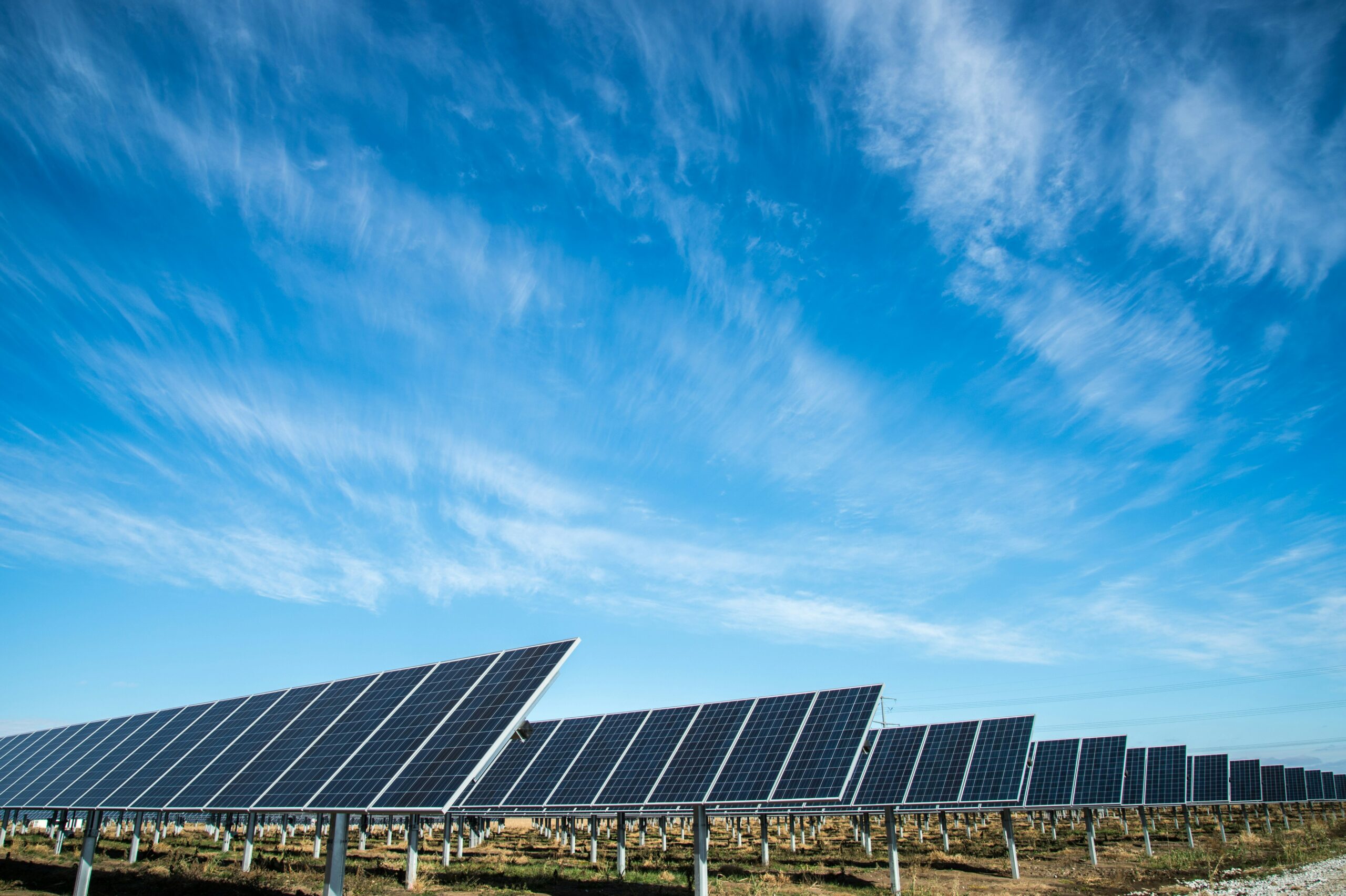
  • Structural Engineering: Designing the racking system This decision is usually between Fixed Tilt (stationary) or Single-Axis Trackers (panels that rotate to follow the sun) depending on the client’s needs.
  • Electrical Design (DC & AC):
    • DC Design: Planning the wiring from the panels to the inverters.
  • AC Design: Planning the high-voltage wiring from the inverters to the project substation.

Phase 3: Construction

This is the physical build phase, which involves heavy civil and electrical work.

  • Civil Site Work: Grading the dirt, digging trenching for underground cables, and building access roads for heavy machinery.
  • Pile Driving: Using hydraulic pile drivers to hammer hundred or thousands of steel I-beams into the ground.
  • Racking & Module Installation: Bolting the metal racking onto the piles and securing the solar modules to the racks.
  • Inverter & Transformer Station Placement: Pouring concrete pads and setting the heavy equipment that converts the power from DC (Direct Current) to AC (Alternating Current).
  • Cable Termination: Electricians connect the thousands of miles of wire. This includes “homeruns” (wires from panel strings to combiner boxes) and medium-voltage cables (from inverters to the substation).

Phase 4: Commissioning & Energization

The system is built, but it must be safely integrated into the grid.

  • Cold Commissioning: Testing all circuits for continuity and insulation faults before the power is turned on, ensuring nothing is short-circuited.
  • Energization: Closing the breakers at the substation to let grid power flow into the site’s transformers for the first time.
  • Inverter Testing: Turning on inverters one by one to verify they are converting power correctly and communicating with the SCADA monitoring system.
  • Performance Testing: Running the plant at full power for a set period to prove it meets the guaranteed energy output.
  • Commercial Operation Date (COD): The official date the plant is certified to sell power to the utility.

TRUSTED BY The Region's TOP COMPANIES

Extra Space Storage Logo
Caterpillar Logo
Honda of North Carolina Logo
Wake County - North Carolina Logo
Orange County North Carolina Logo
Chatham County Logo
Ace Avant Logo
City of Durham Logo
ROI Revolution Logo
BioMérieux Logo

WHY INSTALL Utility-Scale SOLAR PANELS

Utility-scale solar delivers affordable, reliable clean energy to entire communities, reduces carbon emissions, replaces fossil fuels, and supports local jobs — all while powering homes and businesses at scale.

Improved Grid Stability

Improved Grid Stability

Utility-scale solar improves grid stability by providing consistent, large-scale power generation and battery storage for energy during peak demand.

Get The Most Out Of Your Land

Get The Most Out Of Your Land

Utility-scale solar transforms underused land into revenue-generating, sustainable energy sites, maximizing land value while supporting clean power production for communities.

Offsetting Fossil Fuel Dependence

Offsetting Fossil Fuel Dependence

Utility-scale solar reduces fossil fuel dependence by generating large amounts of clean energy, directly replacing coal and gas on the power grid.

Long Solar Lifespan

Long Solar Lifespan

Utility-scale solar projects use optimal locations and professional maintenance, reducing wear and maximizing efficiency, resulting in longer-lasting, higher-performing solar panels.

Benefit from grants and tax savings

Benefit from grants and tax savings

Utility-scale solar offers significant tax benefits through federal incentives, depreciation advantages, and local tax credits, reducing costs and increasing returns for landowners and investors.

Energy Storage Integration

Energy Storage Integration

Utility-scale solar seamlessly integrates with large battery systems, storing excess energy for use during low-sun periods, ensuring consistent, reliable power delivery.

Get an idea of Utility-Scale Solar
costs for your area

See our Utility-Scale
solar panels IN ACTION

The New Era of
Mid-Scale Utility Solar Execution

The era of the traditional, lumbering large-scale EPC is ending. With the shifting landscape of solar tax credits and the new realities of the market, the “bigger is better” model no longer creates efficiency for projects in the 2MW to 10MW range. Large EPCs, built to service 30+ MW sites, cannot scale their overhead down to make mid-scale projects viable.

At 8MSolar, we don’t force large-scale bloat onto mid-scale sites. We have transposed the hyper-efficient project methods from our Residential and CNI verticals directly into the utility space. This allows us to deliver interconnection-ready assets with a speed and cost structure that traditional EPCs simply cannot match.

Why we are the #1 Utility-Scale Solar Company

Last summer after purchasing a house in NC, I looked into getting a solar energy system with a battery backup. Quickly realized that the Tesla Powerwall 3 would be the best fit for my needs, so then looked into a good installer. Checked out a few, and 8MSolar stood out at the top with the best price for the Tesla Powerwall 3 as well as solar panels from Canadian Solar. I also needed a new main breaker panel as well as a new sub panel, and 8Msolar quoted for that as well with a highly competitive price. On the strength of the competitive pricing, good outreach, and numerous good reviews, I went with 8M. This was a large and complex installation (in my opinion), which ultimately included 2 Powerwall 3's, 2 additional Tesla battery expansion units, about 11kW of panels, a new 200 amp main panel, and a new 200 amp sub panel in the garage. The job took 2 days, however the team was large, worked hard, and honestly it was a massive undertaking with all the new solar circuits as well as a new 200 amp feed from the main panel to the sub panel. The quality of installation was superb, the conduits were run perfectly in alignment with clean bends, all the battery units aligned perfectly, and wiring inside the new panels was some of the best I have seen - perfectly straight with clean 90 degree bends into the breakers. These are things that are kind of behind the scene and maybe nitpicky and many may not care about but I do, and it is a demonstration of a quality ethic that extended through the entire job. The paperwork with the utility and county was all handled by 8M, and the system has been up and running for about 8 months now. I later added a Tesla Universal Wall Connector into the system and everything integrates seamlessly into the Tesla app which itself has great control capability. We have already experienced one power outage that put our home off grid and we maintained full AC, lights, and home function while the rest of the street was dark - and hot - and from my perspective the system paid for itself then and there. The only things I would perhaps have changed if I could would have been to add more panels and another battery expansion unit (or 2) to give us more off grid capability for power outages, and establish a separate circuit for the Universal Wall Connector that was outside of the Gateway so that there would not be battery drawdown when charging an EV. But that would have made the installation even more complicated and I didn't think about it until later. I should also mention that I had my system set up with the 64 amp per Powerwall setting - it requires a larger size wire and some other small changes but well worth it imo to have 128 amp output potential (if there is adequate solar). I also had 8M install the "critter guard" mesh screens, they did a super neat and clean installation for this, far better than I could have done myself after the fact and it keeps all the leaves and other junk away. Highly recommend 8MSolar, Tesla Powerwall, and Canadian Solar panels.
I had an excellent experience with 8M Solar from start to finish. The entire team was professional, knowledgeable, and responsive throughout the installation process. They took the time to explain every step, answer all my questions, and ensure I understood how the system would benefit my home. The installation crew arrived on time, worked efficiently, and completed the job with great attention to detail. The quality of the workmanship was outstanding, and they left the property clean after the installation was completed. What impressed me most was their customer service and commitment to making the process smooth and stress-free. The solar system is performing exactly as promised, and I am already seeing the benefits. I highly recommend 8M Solar to anyone considering solar energy. Their expertise, professionalism, and dedication to customer satisfaction truly set them apart.
The 8M was always very responsive and helpful to navigate through that process that seemed once overwhelming. The install smoothly and was accomplished all in one day. They did our good job cleaning up after the project. So far we're super happy with the solar panel install, Tesla powerwall 3, and generation capability. After a month of use, it looks like the 8M m models used to estimate yearly power will be right on. Thanks
I had heard pretty good things about 8MSolar, from my friend and relative. After getting the quote, I end up going with 8MSolar. I am glad I went with them. The service is exemplary, no one was able to beat their price in Concord, NC and their communication was quick and to the point. They took their time to explain me everything and were able to answer my every questions since it was a big investment. Installation and inspection were scheduled without any delay. I would surely recommend 8MSolar. Good job guys.
The experience with 8M Solar is one I would recommend to anyone looking to invest in offsetting their energy costs without the headache and hassle of dealing with the local utility companies. Their pricing and consumer experience are unmatched among their competitors. From inception of the project, everything including pricing, hardware, layout, permits, applications, and timelines were communicated promptly and thoroughly. While I did my own learning beforehand, the transparency of financial and technical information was impressive. Special thanks to Aaron, Rana, Christian, Edward, and several others are well earned and their expertise was appreciated. We paid for our system outright, and we are extremely satisfied with the results. Our solar installation covers over 80% of our energy usage so far, and I can rest easy knowing we will no longer be subject to monopolize energy rates in our area for decades to come.

Frequently asked QUESTIONS

Some energy companies in North Carolina charge customers a blended rate that comes from dividing the amount due on your bill by the total kilowatt-hour consumption during the billing period. These blended rates give an accurate ROI estimation in theory, but they fail to account for seasonal demand.

At 8MSolar, we don’t use blended rates when calculating the financial impact of your solar energy system because it artificially inflates your ROI. Instead, we take all measures to produce accurate, verifiable numbers, so you can take our ROI estimate to the bank, literally.

We install three types of panels for businesses

  • Monocrystalline: These panels offer maximum efficiency and durability
  • Polycrystalline: These panels are innovative and very cost-effective
  • Thin-film: These panels are ideal for high-volume rooftop installations

Commercial solar energy systems provide excellent tax benefits that can reduce your commercial solar panel cost. According to the IRS Notice # 2018-59, any commercial solar panel system put into service by Dec 31st, 2023 and meets one of the following requirements is eligible for the full 26% federal tax credit:

  • Installed in 2020, 2021 or 2022 
  • Showing “physical work of a significant nature” 
  • Meets the “5% safe harbor test”
  1. We typically install commercial solar systems on rooftops of buildings that are almost always flat or have limited pitch. Using expert knowledge of the geographic area, we can design the array pitch angle to make sure it is producing optimal energy.
  2. Commercial solar system installations also have different mounting mechanisms than traditional homes. Commercial solar panels have different clamp-on-type bases that we specifically design for flat/metal roofs.
  3. The solar panels we use in most commercial applications are 72 cell panels, which is much larger than the traditional 60 cell modules we use in residential systems and have a higher power output – typically 350 watts per panel.
  4. Rapid shutdown capabilities that bring the DC voltage down to an inherently safe level are required in NC. Our engineers will help you design a system that meets those requirements.


  1. Ground-mounted systems are a great alternative for businesses that don’t have roofs suitable for solar panels but have significant amounts of land available. This system also works well if your company’s solar needs cannot be met by their current roof size. 
  2. Using expert geographical knowledge, our engineers can choose the optimal placement of your panels. They will test things like ground compaction to make sure we choose the proper equipment to avoid any geological problems that may arise.
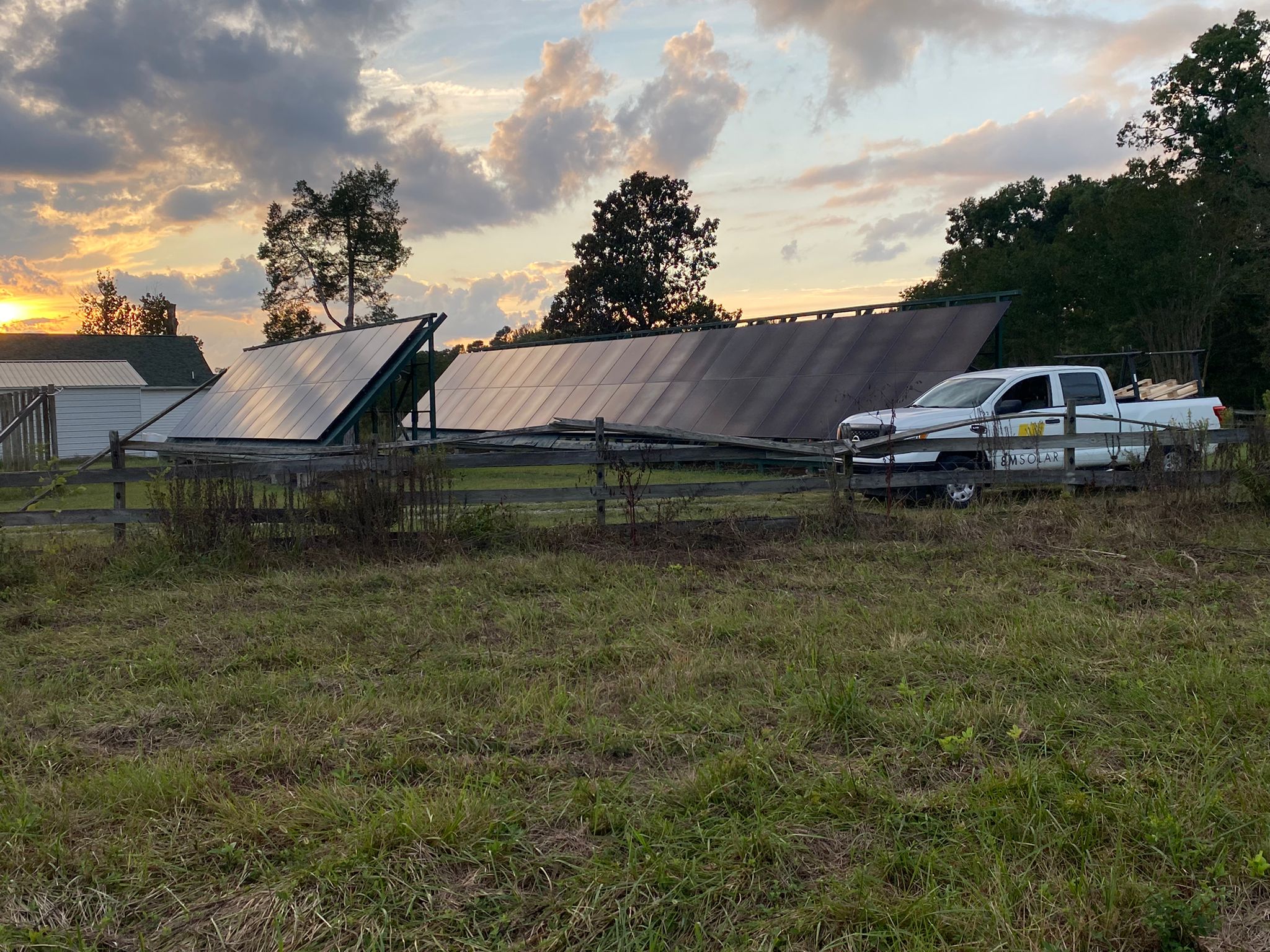
  3. There are two types of ground-mounted solar panels. Pole-mounted panels are elevated off the ground and sometimes use tracking systems to tilt them toward the sun. Standard mounted solar panels have metal framing that we drive into the ground to keep them at a chosen angle.

Ready to see how much You Can Do
by installing Utility-Scale Solar Panels?

Other Commercial Solar Case Studies