






UTILITY-SCALE SOLAR INFRASTRUCTURE
Serving North and South Carolina and Virginia

Transform your land into
revenue-generating sustainable infrastructure

SCALABLE ENERGY INFRASTRUCTURE

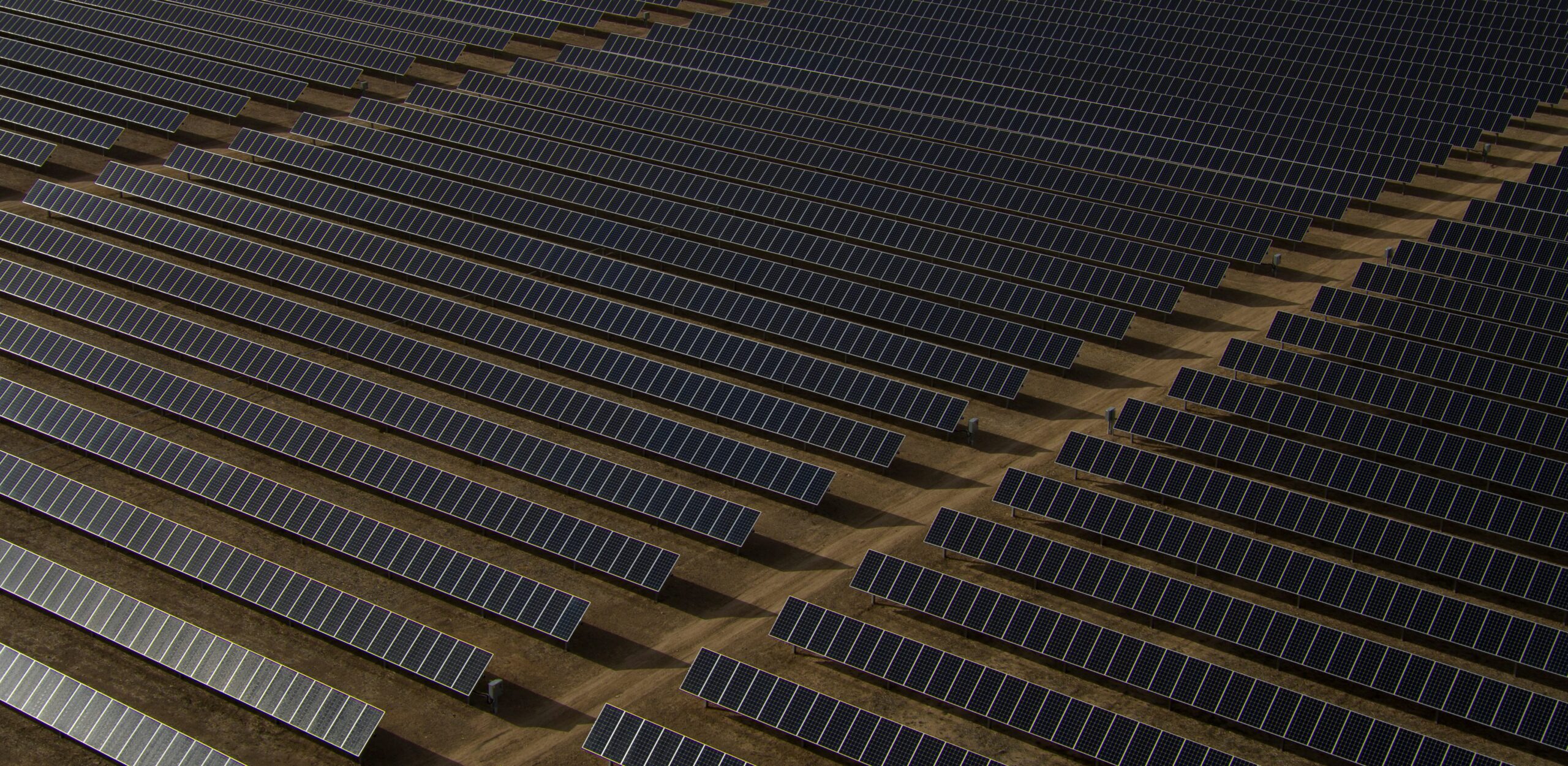
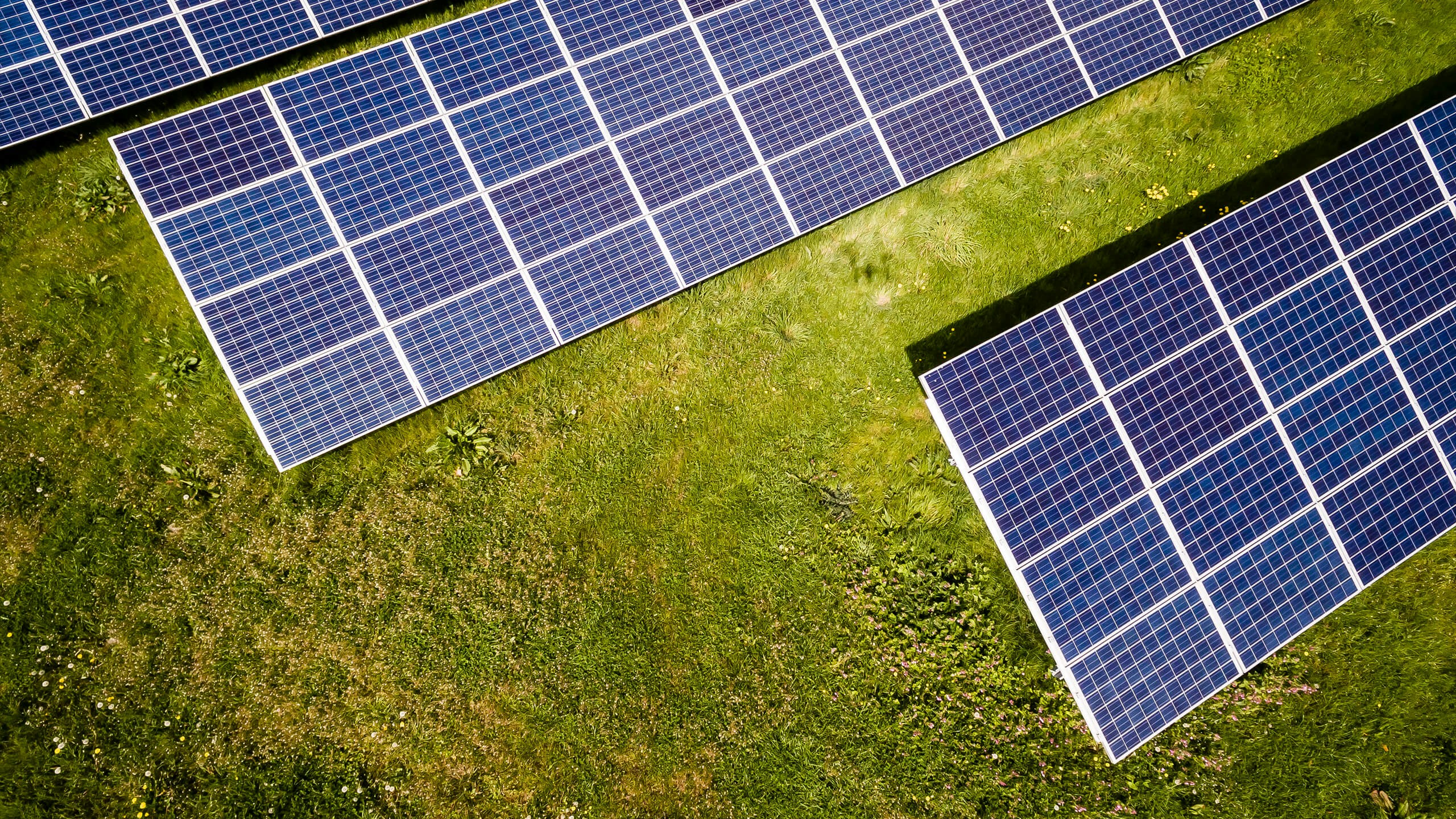
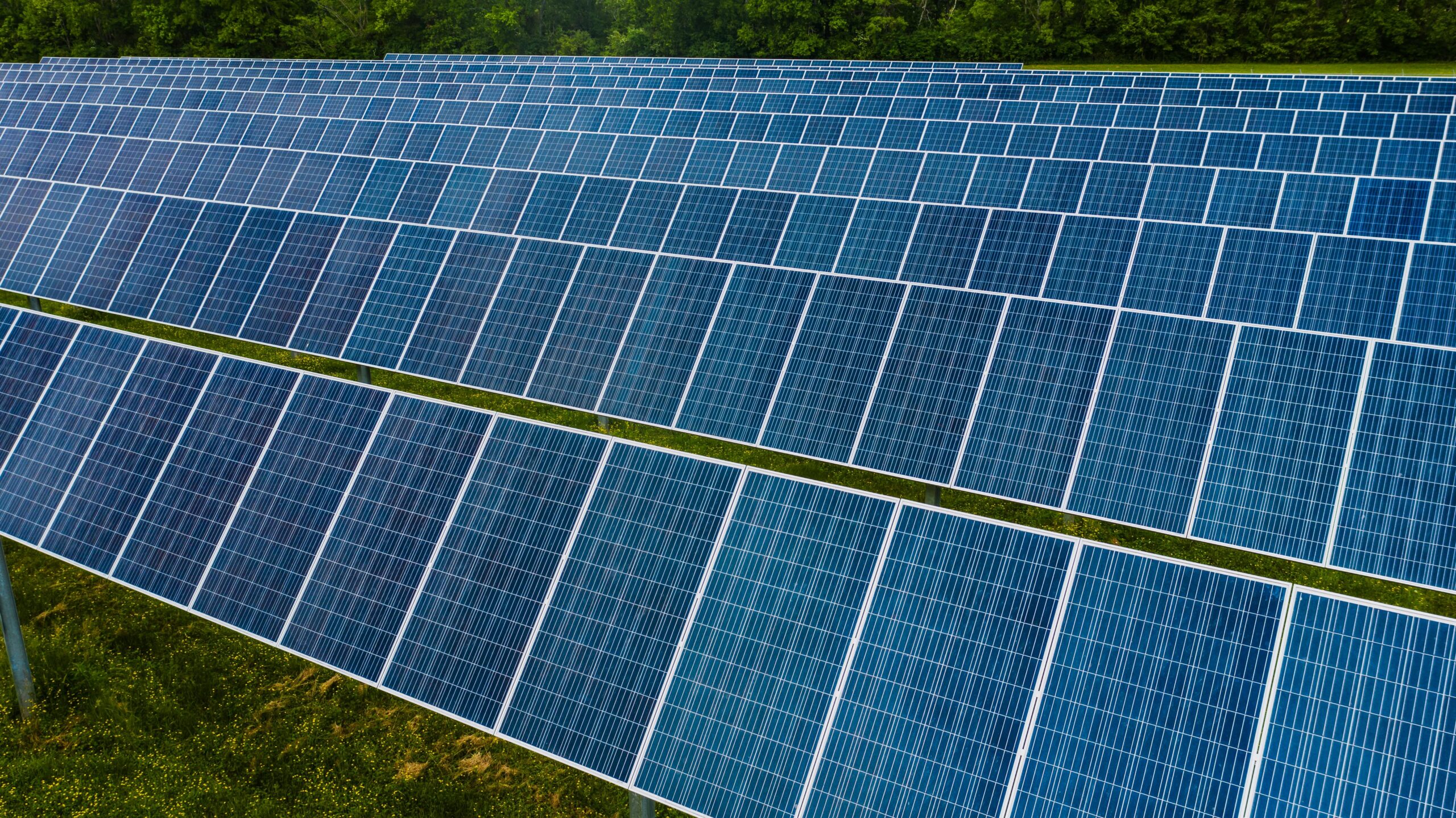
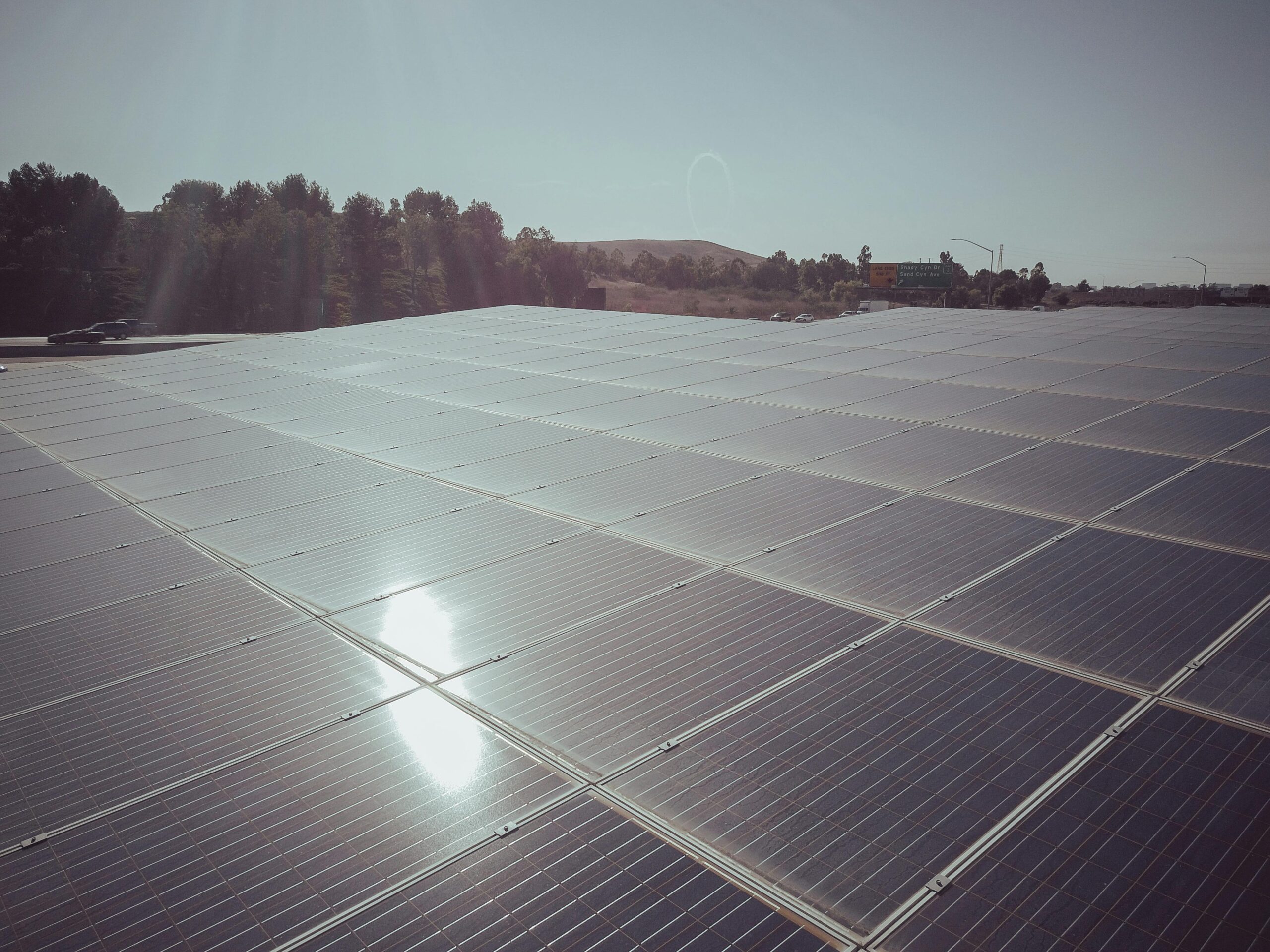
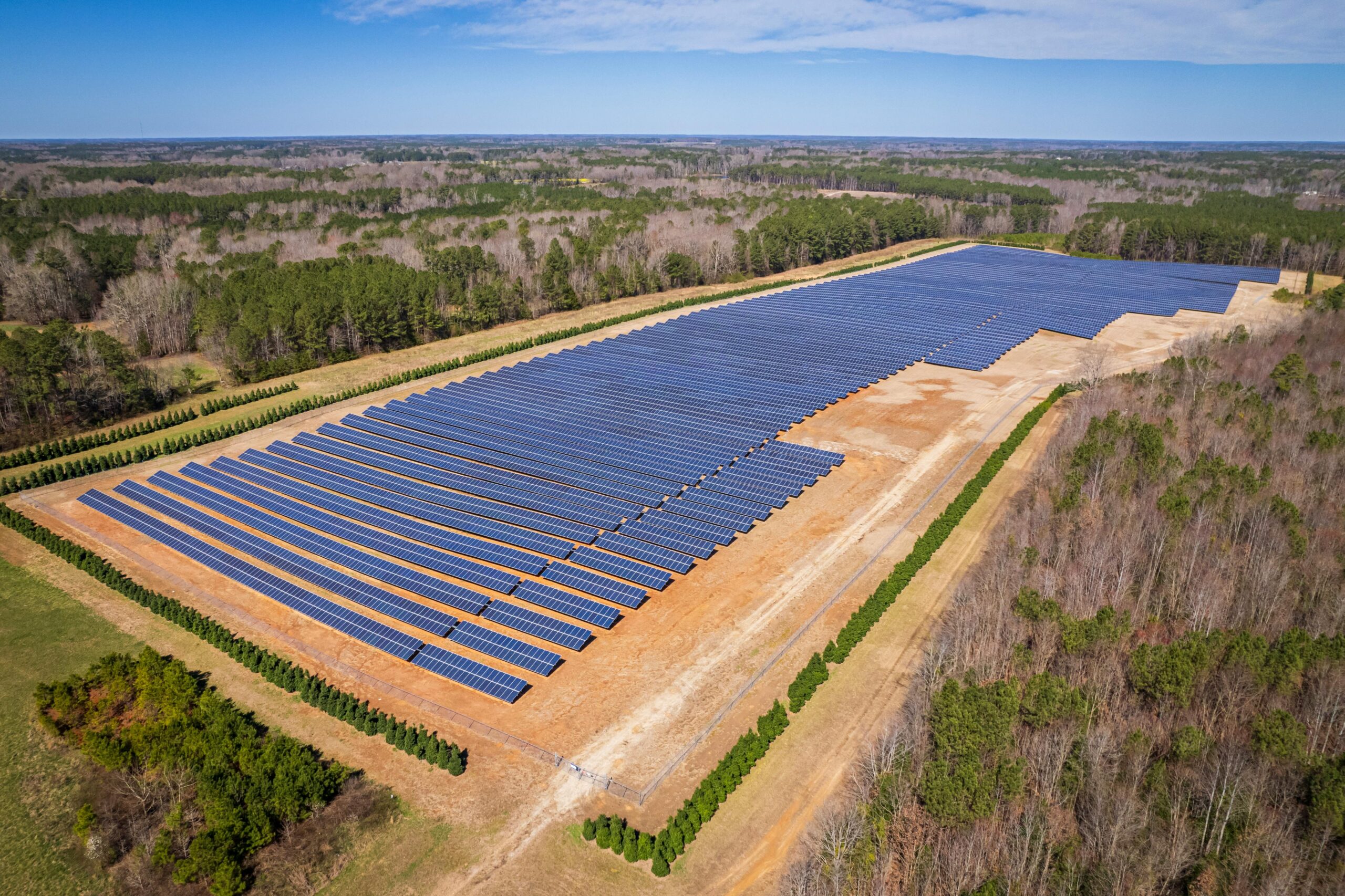
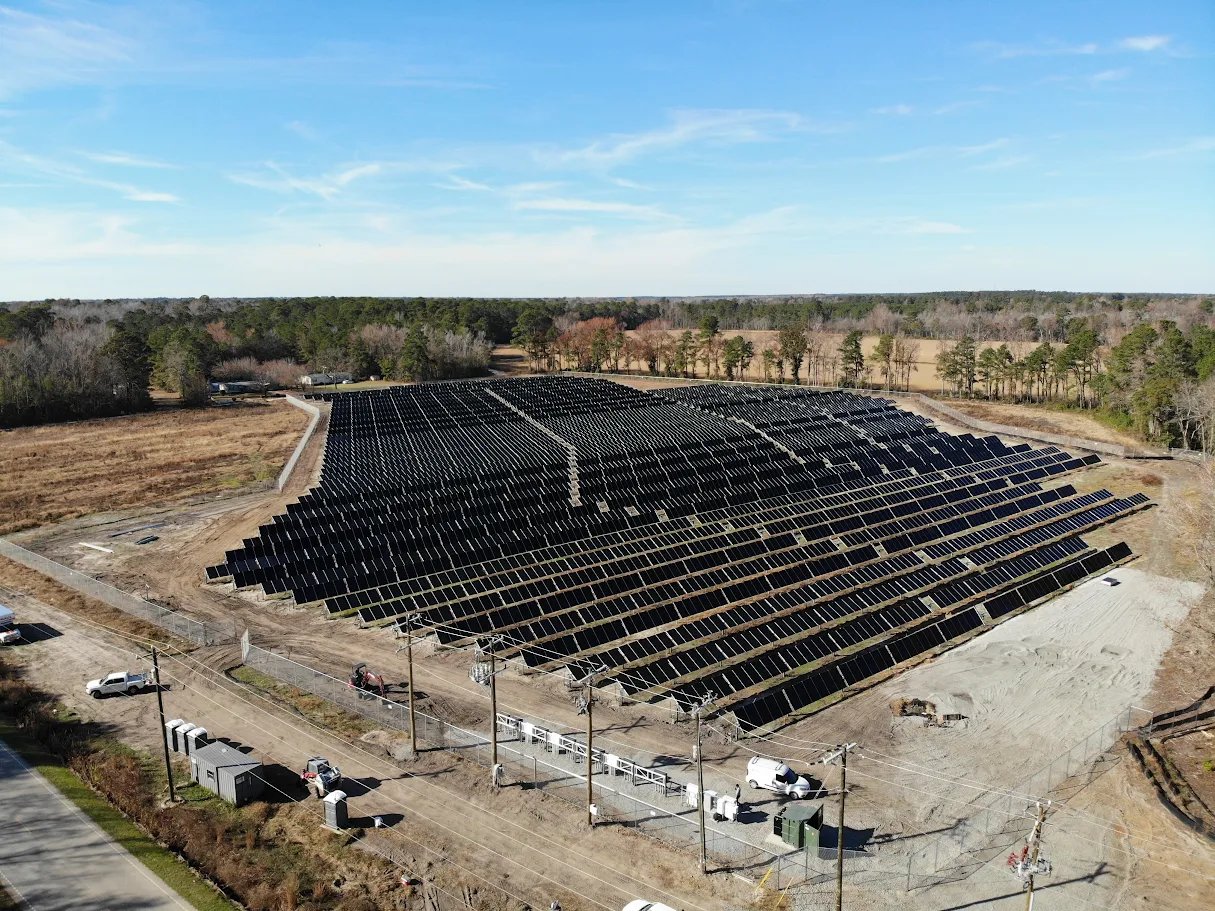
Utility-scale solar represents a critical shift from consumption-based energy to generation-based assets. Unlike standard commercial installations, these projects are designed for maximum yield and grid interoperability.


We deploy large-scale infrastructure capable of replacing legacy fossil-fuel generation, integrating advanced battery storage systems (BESS) to ensure consistent power delivery regardless of intermittency. This is not just about saving energy; it is about building a resilient, decentralized power grid.

UTility Scale Solar Project Phases

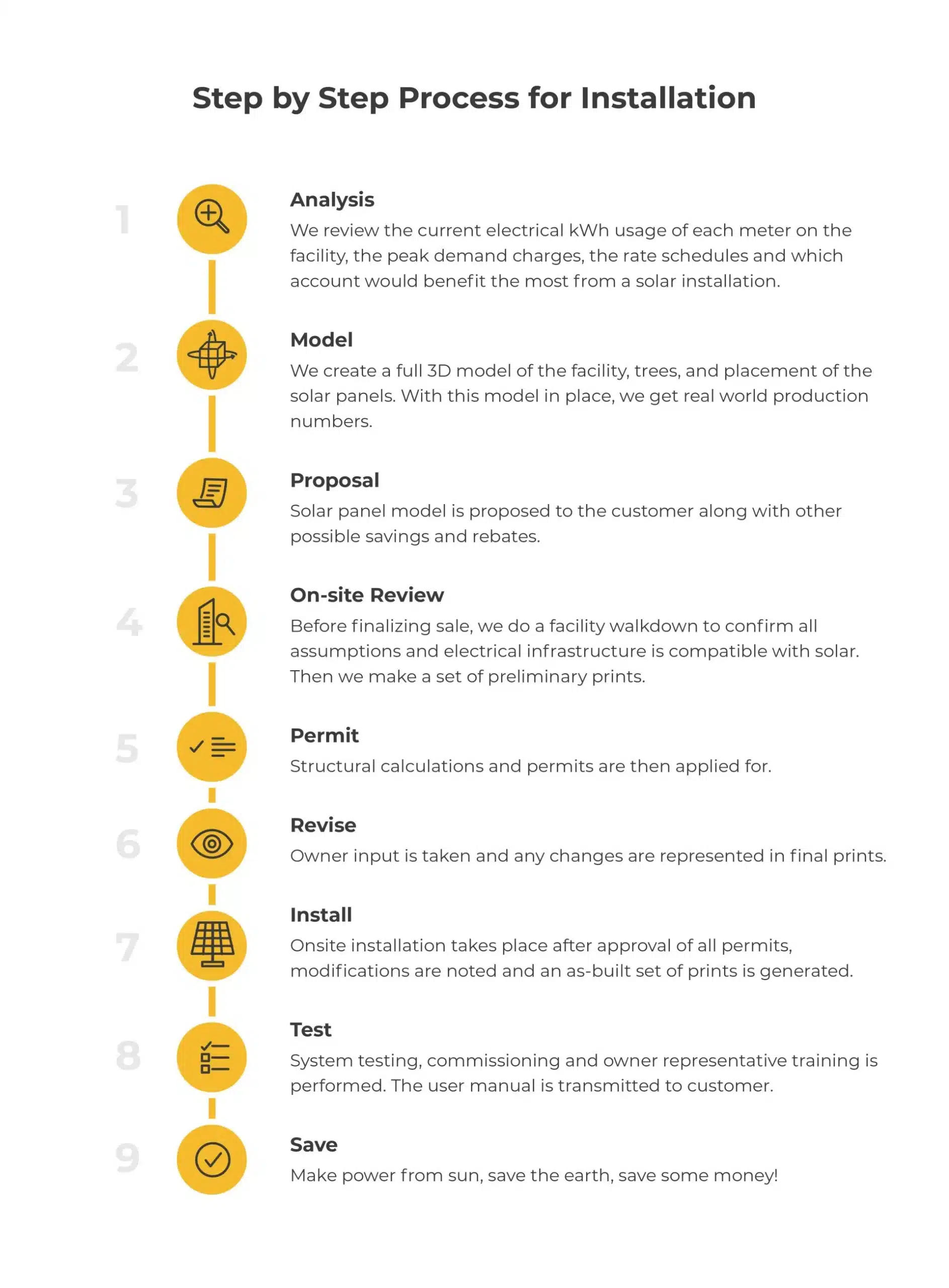
We handle the full spectrum of development, from initial interconnection agreements to third-party commissioning. Our process is built for speed, transparency, and rigid adherence to utility standards.

Phase 1: Solar Resource Assessment

Satellite data and software are used to measure irradiance (how much sunlight hits that specific spot) to predict energy yield.

  • Topographical Analysis: The land is surveyed. It must be relatively flat or have a manageable grade (slope) to accommodate racking systems.
  • Interconnection Study: This is often the most critical technical step. Engineers model the local electrical grid to ensure the substation and transmission lines can handle the new influx of power without becoming unstable.
  • Geotechnical Study: Soil samples are drilled to determine if the ground can hold the steel piles (posts) that support the panels.

Phase 2: Engineering & Design

Once the site is deemed viable, detailed technical blueprints are created.

  • PV System Layout: Creating a detailed CAD drawing of where every row of panels, inverter, and access road will go to maximize density while preventing panels from shading each other.
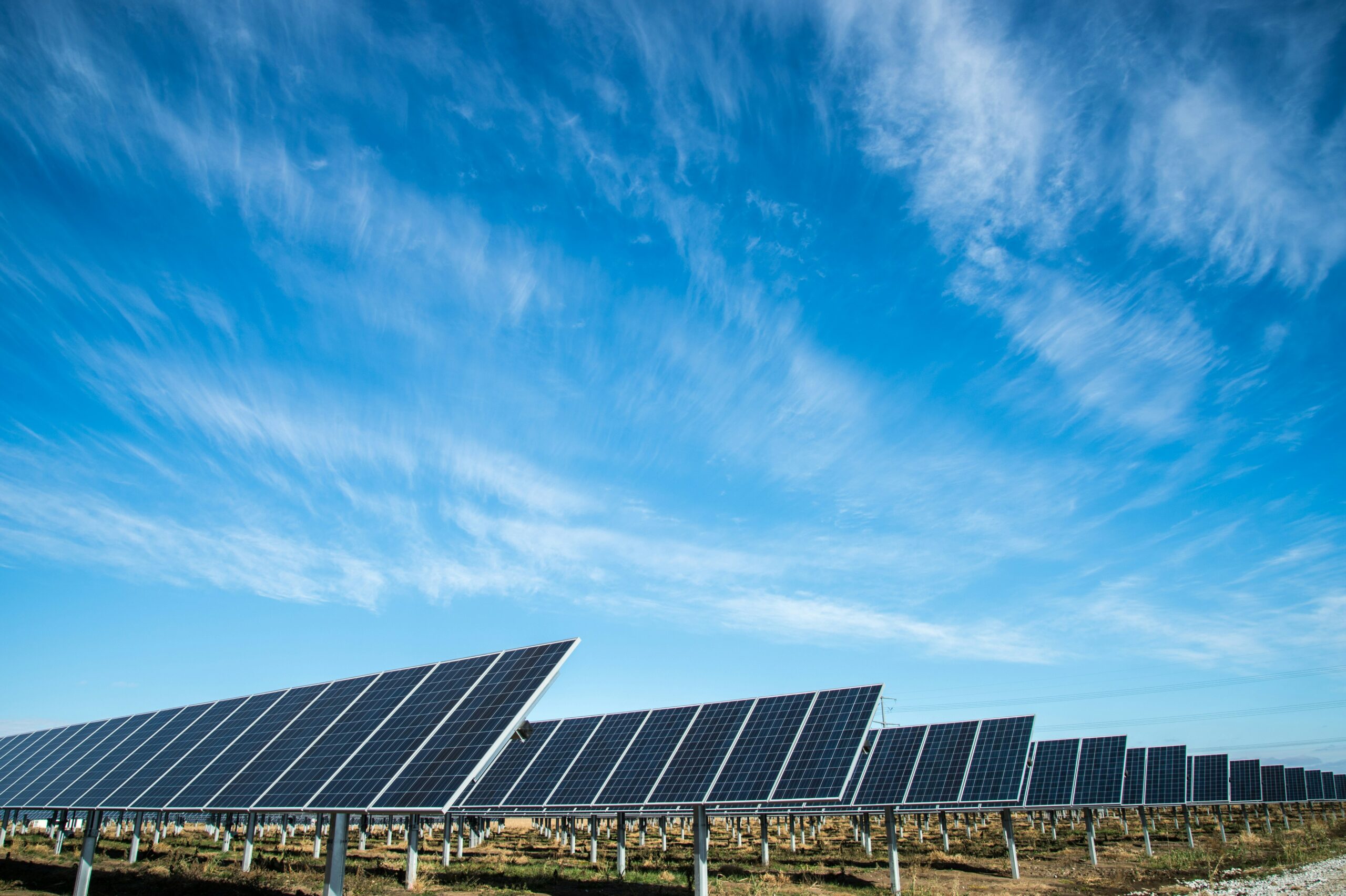
  • Structural Engineering: Designing the racking system This decision is usually between Fixed Tilt (stationary) or Single-Axis Trackers (panels that rotate to follow the sun) depending on the client’s needs.
  • Electrical Design (DC & AC):
    • DC Design: Planning the wiring from the panels to the inverters.
  • AC Design: Planning the high-voltage wiring from the inverters to the project substation.

Phase 3: Construction

This is the physical build phase, which involves heavy civil and electrical work.

  • Civil Site Work: Grading the dirt, digging trenching for underground cables, and building access roads for heavy machinery.
  • Pile Driving: Using hydraulic pile drivers to hammer hundred or thousands of steel I-beams into the ground.
  • Racking & Module Installation: Bolting the metal racking onto the piles and securing the solar modules to the racks.
  • Inverter & Transformer Station Placement: Pouring concrete pads and setting the heavy equipment that converts the power from DC (Direct Current) to AC (Alternating Current).
  • Cable Termination: Electricians connect the thousands of miles of wire. This includes “homeruns” (wires from panel strings to combiner boxes) and medium-voltage cables (from inverters to the substation).

Phase 4: Commissioning & Energization

The system is built, but it must be safely integrated into the grid.

  • Cold Commissioning: Testing all circuits for continuity and insulation faults before the power is turned on, ensuring nothing is short-circuited.
  • Energization: Closing the breakers at the substation to let grid power flow into the site’s transformers for the first time.
  • Inverter Testing: Turning on inverters one by one to verify they are converting power correctly and communicating with the SCADA monitoring system.
  • Performance Testing: Running the plant at full power for a set period to prove it meets the guaranteed energy output.
  • Commercial Operation Date (COD): The official date the plant is certified to sell power to the utility.

TRUSTED BY The Region's TOP COMPANIES

Extra Space Storage Logo
Caterpillar Logo
Honda of North Carolina Logo
Wake County - North Carolina Logo
Orange County North Carolina Logo
Chatham County Logo
Ace Avant Logo
City of Durham Logo
ROI Revolution Logo
BioMérieux Logo

WHY INSTALL Utility-Scale SOLAR PANELS

Utility-scale solar delivers affordable, reliable clean energy to entire communities, reduces carbon emissions, replaces fossil fuels, and supports local jobs — all while powering homes and businesses at scale.

Improved Grid Stability

Improved Grid Stability

Utility-scale solar improves grid stability by providing consistent, large-scale power generation and battery storage for energy during peak demand.

Get The Most Out Of Your Land

Get The Most Out Of Your Land

Utility-scale solar transforms underused land into revenue-generating, sustainable energy sites, maximizing land value while supporting clean power production for communities.

Offsetting Fossil Fuel Dependence

Offsetting Fossil Fuel Dependence

Utility-scale solar reduces fossil fuel dependence by generating large amounts of clean energy, directly replacing coal and gas on the power grid.

Long Solar Lifespan

Long Solar Lifespan

Utility-scale solar projects use optimal locations and professional maintenance, reducing wear and maximizing efficiency, resulting in longer-lasting, higher-performing solar panels.

Benefit from grants and tax savings

Benefit from grants and tax savings

Utility-scale solar offers significant tax benefits through federal incentives, depreciation advantages, and local tax credits, reducing costs and increasing returns for landowners and investors.

Energy Storage Integration

Energy Storage Integration

Utility-scale solar seamlessly integrates with large battery systems, storing excess energy for use during low-sun periods, ensuring consistent, reliable power delivery.

Get an idea of Utility-Scale Solar
costs for your area

See our Utility-Scale
solar panels IN ACTION

The New Era of
Mid-Scale Utility Solar Execution

The era of the traditional, lumbering large-scale EPC is ending. With the shifting landscape of solar tax credits and the new realities of the market, the “bigger is better” model no longer creates efficiency for projects in the 2MW to 10MW range. Large EPCs, built to service 30+ MW sites, cannot scale their overhead down to make mid-scale projects viable.

At 8MSolar, we don’t force large-scale bloat onto mid-scale sites. We have transposed the hyper-efficient project methods from our Residential and CNI verticals directly into the utility space. This allows us to deliver interconnection-ready assets with a speed and cost structure that traditional EPCs simply cannot match.

Why we are the #1 Utility-Scale Solar Company

Working with 8M Solar was awesome. Extremely professional and squared away. They did not try to add gimmicks or unnecessary complications regarding financing to the solar project. The financing was easy to do and I good a great rate on my loan. They did an accurate assessment of my electricity needs with projections for future electricity requirements when I purchased an electric vehicle. Their projected kilowatt energy production of my solar panels was extremely accurate. My project was 13-panels, Tesla Power Wall and 240V EV charger. The quoted price was accurate from the start of the contract until completion. There were no hidden fees or financial surprises. Installation went great, it was done in a day and with the Duke Energy approvals I was up and running within a week after installation. Lastly, they provided a veterans discount which gave me one panel for free. Simply an excellent group to work with. 8M Solar rocks!
I’ve got my solar installation done from 8MSolar. Signed for the project in June & installation was complete by September 2025. They were prompt in all their communications, setting expectations & all the due diligence in getting all the approvals. I recommend them for any of your Solar Project needs.
My experience with 8M was awesome. They installed my solar panels in August and Duke approved interconnection in early October. Since then I have had no power bill and they have been working like a charm. 8M handled the entire permitting and interconnection process which was extremely helpful. I've already received the incentive from Duke Energy using the power pair program and the amount was what they estimated. The installation process took a day and went smoothly. I would recommended 8M to anyone.
8MSolar was a 5 star pick for our solar installation. 1) Friendly and genuine, 2) they answered all of my questions, no matter how redundant or obvious, 3) they worked with me to design a system that was specific to our needs - not too much, not too little, 4) they walk through each step of the process with clear instructions on what to expect, what to fill out, when they were coming and how to prepare for the permits, inspections and more ,5) they handled all the paperwork work, forms, inspections, permits and etc. If there were any that I needed to submit, they provided the form and instructions on what to do, 6) install was quick and well done - and in 1 day, and 7) they followed up to make sure everything was to our expectation, tested and that we knew how to operating/monitor it. While they do not finance themselves, the credit union they work with was just as easy, reasonable rates and options to adjust 3x and no penalties to pay off early.
I decided to go with 8Solar not only for their competitive price, but also because their positive reviews. Glad I did (I've had some bad contractor experiences, nowadays it seems the norm , not the exception). The preparation process was smooth and very organised. Emails were answered within a day, and I never got the run around. The installation itself was done very professionally and finished in 1 day. I'm very happy with the look and how the system works. If you look for solar, don't hesitate, go with 8Solar.

Frequently asked QUESTIONS

Some energy companies in North Carolina charge customers a blended rate that comes from dividing the amount due on your bill by the total kilowatt-hour consumption during the billing period. These blended rates give an accurate ROI estimation in theory, but they fail to account for seasonal demand.

At 8MSolar, we don’t use blended rates when calculating the financial impact of your solar energy system because it artificially inflates your ROI. Instead, we take all measures to produce accurate, verifiable numbers, so you can take our ROI estimate to the bank, literally.

We install three types of panels for businesses

  • Monocrystalline: These panels offer maximum efficiency and durability
  • Polycrystalline: These panels are innovative and very cost-effective
  • Thin-film: These panels are ideal for high-volume rooftop installations

Commercial solar energy systems provide excellent tax benefits that can reduce your commercial solar panel cost. According to the IRS Notice # 2018-59, any commercial solar panel system put into service by Dec 31st, 2023 and meets one of the following requirements is eligible for the full 26% federal tax credit:

  • Installed in 2020, 2021 or 2022 
  • Showing “physical work of a significant nature” 
  • Meets the “5% safe harbor test”
  1. We typically install commercial solar systems on rooftops of buildings that are almost always flat or have limited pitch. Using expert knowledge of the geographic area, we can design the array pitch angle to make sure it is producing optimal energy.
  2. Commercial solar system installations also have different mounting mechanisms than traditional homes. Commercial solar panels have different clamp-on-type bases that we specifically design for flat/metal roofs.
  3. The solar panels we use in most commercial applications are 72 cell panels, which is much larger than the traditional 60 cell modules we use in residential systems and have a higher power output – typically 350 watts per panel.
  4. Rapid shutdown capabilities that bring the DC voltage down to an inherently safe level are required in NC. Our engineers will help you design a system that meets those requirements.


  1. Ground-mounted systems are a great alternative for businesses that don’t have roofs suitable for solar panels but have significant amounts of land available. This system also works well if your company’s solar needs cannot be met by their current roof size. 
  2. Using expert geographical knowledge, our engineers can choose the optimal placement of your panels. They will test things like ground compaction to make sure we choose the proper equipment to avoid any geological problems that may arise.
  3. There are two types of ground-mounted solar panels. Pole-mounted panels are elevated off the ground and sometimes use tracking systems to tilt them toward the sun. Standard mounted solar panels have metal framing that we drive into the ground to keep them at a chosen angle.

Ready to see how much You Can Do
by installing Utility-Scale Solar Panels?

Other Commercial Solar Case Studies

FREE Virtual Consultation

Attention: With the 30% tax credit expiring after this year, it is highly recommended you book a time slot for a virtual meeting and/or call; so that one of our consultants can contact you at your preferred day/time.