- Reduce Your Energy Bills: Install solar panels to significantly cut down on electricity costs.
- Eco-Friendly Choice: Solar panels help in lowering your carbon footprint.
- Boosts Property Value: The addition of solar panels can enhance the value of your property.
Solar energy offers homeowners a way to generate electricity, reduce reliance on the grid, and potentially lower long-term energy costs. However, installing solar panels also comes with considerations, including upfront expenses, weather-dependent production, and property requirements.
The biggest advantages of solar energy include lower electricity bills, renewable power generation, low maintenance needs, and potential increases in property value. The main disadvantages include installation costs, reduced production during cloudy weather or at night, and the additional expense of battery storage.
Understanding the pros and cons of solar energy can help homeowners determine whether solar panels make sense for their property, electricity usage, and financial goals. Below, we’ll break down the benefits, drawbacks, and important factors to consider before making the switch.
Pros and Cons of Solar Energy
Solar energy, increasingly accessible due to grants and competitive pricing, is becoming the preferred energy source for more families. Recent advancements in technology and the integration of solar battery storage systems have made solar power a more efficient and cleaner energy source. However, the cost of solar batteries is an important factor to consider.
Every energy source has its drawbacks, and solar power is no exception. Here is a summary of the key pros and cons:
Pros and Cons of Solar Energy at a Glance
Solar power has several benefits, but it also comes with limitations that homeowners should consider before installing a system.
| Pros of Solar Energy | Cons of Solar Energy |
|---|---|
| Can reduce monthly electricity bills | Requires an upfront investment or financing |
| Uses a renewable energy source | Electricity production depends on sunlight |
| Requires relatively little maintenance | Battery storage adds to installation costs |
| May increase property value | Not every roof or property is suitable |
| Solar technology continues to improve | Manufacturing and disposal have environmental impacts |
| Can reduce dependence on grid electricity | Most grid-connected systems need additional equipment for outage backup |
The financial benefits of solar depend on factors such as installation costs, local electricity rates, available incentives, and how much electricity the system produces.
Pros of Solar Energy
Renewable Energy Source
The primary advantage of solar energy is its status as a truly renewable resource. It can be captured in all corners of the globe and is available daily. Solar energy is an inexhaustible source, in stark contrast to certain other energy types. As long as the sun shines – which scientists predict will be for at least another 5 billion years – solar energy will be accessible.
Reduces Electricity Bills
One of the biggest advantages of solar energy is its potential to reduce household electricity bills. By generating electricity from sunlight, homeowners can purchase less power from their utility provider.
However, solar savings vary depending on system size, household energy consumption, electricity rates, and how the utility compensates customers for excess solar electricity.
For example, homeowners who use more electricity during daylight hours may be able to consume a greater portion of their solar production directly. Others may benefit from battery storage or utility programs that provide credits for electricity sent to the grid.
Understanding your household’s energy usage and local utility policies is essential when estimating the long-term financial benefits of solar panels.
May Increase Property Value
Installing solar panels may increase a home’s resale value, particularly when the system is owned by the homeowner rather than leased.
Solar-equipped homes can appeal to buyers interested in lower electricity costs and energy-efficient features. However, the actual impact on property value depends on the local housing market, system condition, age, ownership structure, and expected energy savings.
For homeowners considering solar, potential resale value is another benefit worth evaluating alongside monthly electricity savings.
Versatile Applications
Solar energy has a wide range of uses. It can be harnessed to generate electricity using photovoltaic technology or to produce heat via solar thermal systems. This versatility extends to providing power in remote areas without grid access, desalinating water in places with scarce clean water resources, and even powering satellites in orbit. Additionally, solar technology can be integrated into building materials, as exemplified by Sharp’s development of transparent solar windows.
Low Maintenance Costs
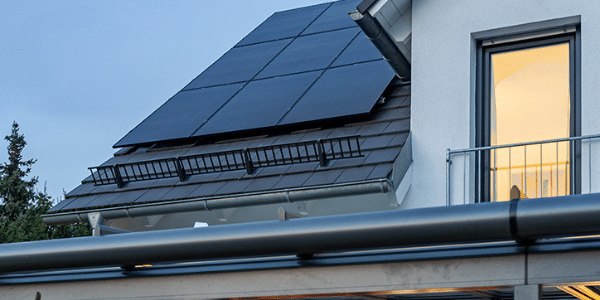
Solar energy systems are known for their low maintenance requirements. Regular cleaning, a few times a year, is typically sufficient to keep them in good working order, and professional cleaning services are available at modest costs. Most top-tier solar panel manufacturers provide warranties lasting 20-25 years. Since solar systems contain no moving parts, wear and tear are minimal. The main component requiring replacement is the inverter, necessary for converting solar energy into electricity and heat, usually after 5-10 years of operation. Additionally, maintaining the cables is essential to ensure optimal system efficiency. After the initial investment in a solar system, ongoing costs for maintenance and repairs are generally low.
Rapid Technological Advancements
Solar technology continues to improve, giving homeowners access to increasingly advanced solar panels, inverters, and energy storage systems.
Modern solar panels use technologies such as TOPCon and heterojunction solar cells to improve energy conversion efficiency. Manufacturers are also developing new approaches, including tandem solar cells, that could improve performance further as the technology matures.
Advancements in solar batteries and energy monitoring systems are also making it easier for homeowners to manage electricity production, consumption, and backup power.
While newer technology can offer benefits, homeowners should compare efficiency, warranties, reliability, and installation costs rather than choosing a system based on technology alone.
If you’re eager to enjoy these benefits of solar energy, choosing solar panels means more than just cutting down on energy costs; it’s a step towards positively impacting the environment. If you reside in North Carolina, 8MSolar can assist you in getting started by providing the best solar quote to meet your specific needs.
Cons of Solar Energy
High Initial Costs
The upfront cost of installing solar panels remains one of the biggest disadvantages of solar energy. A residential system typically includes solar panels, an inverter, mounting equipment, wiring, labor, and permitting expenses. Battery storage is optional and adds to the total installation cost.
However, homeowners have several ways to approach solar financing, including cash purchases, solar loans, leases, and other available ownership arrangements. Each option has different costs, responsibilities, and long-term financial implications.
In 2026, homeowners should also account for changes to federal solar incentives. The former 30% Residential Clean Energy Credit is no longer available for new residential systems installed after December 31, 2025.
Before deciding whether solar is affordable, compare the total installed cost, financing terms, estimated electricity savings, and any currently available state or utility incentives.
Dependence on Weather
Solar energy systems are less efficient on cloudy or rainy days, as they rely heavily on sunlight to generate energy. Consequently, the energy output can significantly drop during prolonged periods of overcast weather. Additionally, solar energy cannot be harnessed at night. For those needing a night-time or winter solution for water heating, thermodynamic panels might be an alternative worth considering.
Costly Energy Storage
Storing solar energy requires large batteries, especially for off-grid systems. These batteries can be charged during the day to provide power at night, allowing for continuous use of solar energy. However, this storage solution is expensive. A more feasible option for many is to use solar energy during the day and switch to the grid at night. This approach works well since energy needs are typically higher during the day, allowing solar energy to meet a substantial portion of the demand.
Space Requirements
The generation of more electricity requires a larger number of solar panels, as they need to capture as much sunlight as possible. This can be a challenge, as solar panels require considerable space, and not all roofs are large enough to accommodate the desired number of panels. One solution is to install additional panels in your yard, provided they can access sunlight. If space constraints prevent installing as many panels as you’d like, you can opt for a smaller number to meet at least a portion of your energy needs.
Environmental Impact
While solar energy is significantly cleaner than many other energy sources, it is not entirely free from pollution concerns. The transport and installation of solar systems contribute to greenhouse gas emissions. Additionally, the manufacturing process for solar photovoltaic systems involves some toxic materials and hazardous products, which can have an indirect environmental impact. However, it’s important to note that the level of pollution associated with solar energy is much lower than that associated with conventional energy sources.
When Might Solar Energy Not Be the Best Choice?
Solar energy offers long-term benefits, but not every home is equally suited for a solar installation.
Some situations that may make solar less practical include:
- Heavy roof shading: Trees, nearby buildings, or other obstructions can reduce electricity production.
- An aging roof: Homeowners may want to address major roofing repairs before installing solar panels.
- Limited installation space: Small or unusually shaped roofs may not accommodate enough panels to meet energy goals.
- Unfavorable utility policies: Low compensation for excess electricity can affect the financial value of a solar installation.
- Short-term ownership plans: Homeowners planning to move soon may have less time to benefit from long-term electricity savings.
These factors don’t necessarily rule out solar. However, they can influence system design, installation costs, and overall financial value.
A professional solar assessment can help determine whether your property is suitable and what level of electricity production you can reasonably expect.
Frequently Asked Questions About Solar Energy
What is the biggest advantage of solar energy?
One of the biggest advantages of solar energy is the ability to generate electricity from sunlight and reduce the amount of power purchased from a utility company. Solar panels also provide renewable electricity with relatively low ongoing maintenance requirements.
What is the biggest disadvantage of solar energy?
The upfront installation cost is one of the main disadvantages for homeowners. Solar electricity production also varies depending on weather, shading, and time of day, which means most grid-connected homes continue relying on utility electricity when solar production is insufficient.
Do solar panels work during cloudy weather?
Yes. Solar panels can generate electricity on cloudy days, but their output is generally lower because less sunlight reaches the photovoltaic cells. The amount of electricity produced depends on cloud cover, system design, and local weather conditions.
Considering Solar? Let 8MSolar Help.
Solar energy has clear advantages, including potential electricity savings, renewable power generation, and low maintenance requirements. However, installation costs, roof suitability, and local utility policies are important factors to consider.
At 8MSolar, we help homeowners evaluate their solar options based on their property’s conditions, electricity usage, and long-term goals.
Whether you’re exploring solar for the first time or comparing installation options, our team can help you understand the potential benefits and limitations for your home.
Ready to explore your options? Contact 8MSolar to learn more about residential solar installation.