If you’ve recently installed solar panels or are thinking about making the switch, you’ve probably heard conflicting information about maintenance. Some people claim solar panels are “zero-maintenance,” while others suggest they require constant attention and costly upkeep. The truth falls somewhere in between, and understanding what your solar panels actually need is essential to protecting your investment.
Solar panels are incredibly durable. They’re built to withstand decades of harsh weather, from scorching summer heat to winter ice storms. They have no moving parts to wear out, no fluids to replace, and no filters to change. But calling them “zero-maintenance” is misleading. A more accurate description is “low-maintenance.” With a simple routine of active monitoring and occasional cleaning, you can make sure your system generates maximum power for 25 years or more.
This guide will walk you through everything you need to know about solar panel maintenance. You’ll learn which tasks you can handle yourself, when to call in a professional, and how to protect the investment you’ve made in your home’s energy future.
Table of Contents
- What “Low-Maintenance” Really Means for Your Solar Panels
- Your #1 Maintenance Tool: The System Monitoring App
- DIY Maintenance: What You Can (and Should) Do Yourself
- When to Call a Professional Solar Technician
- Understanding Solar Panel Maintenance Costs and Warranties
- FAQs About Solar Panel Maintenance
- Protect Your Investment with 8MSolar’s Expert Services
What “Low-Maintenance” Really Means for Your Solar Panels
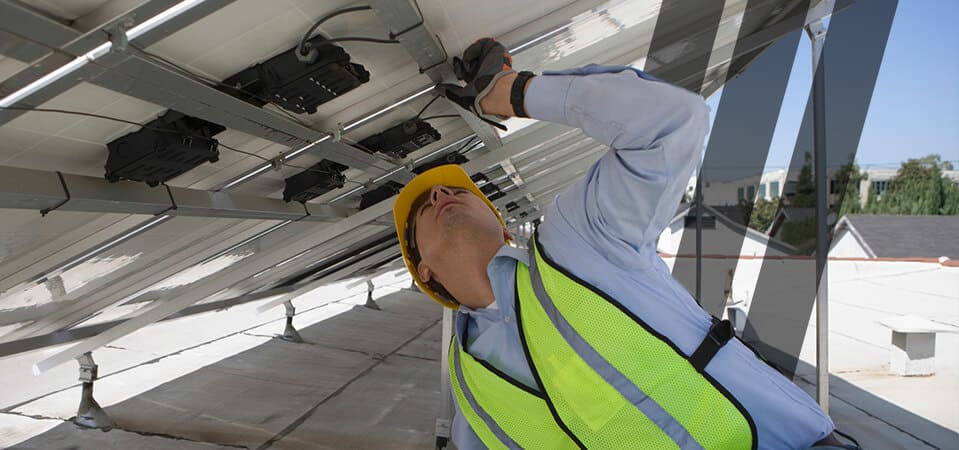
When we say solar panels are low-maintenance, we’re talking about their design. Modern solar panel systems are engineered to operate hands-off for decades. There are no motors, belts, or moving parts that need adjustment. The panels themselves are sealed units with tempered glass faces that can handle hail, wind, and extreme temperatures.
The real purpose of solar panel maintenance isn’t constant tinkering or adjustments. Instead, it’s about making sure nothing is hindering your panels’ ability to absorb sunlight and convert it into electricity. Dirt, debris, shade, and damaged components can all reduce your system’s performance. Regular maintenance just means keeping these obstacles at bay.
Think of it this way: your solar panels are like the windows of your home. They work best when they’re clean and unobstructed, but they don’t need daily attention. A little awareness and occasional action is all it takes to keep them performing at their best.
Your #1 Maintenance Tool: The System Monitoring App
Here’s something many new solar owners don’t realize: your most important maintenance tool isn’t a ladder or a cleaning brush. It’s the monitoring app that comes with your solar installation.
Every modern solar system includes monitoring software like Enphase Enlighten or SolarEdge. These applications connect to your inverter and track your system’s performance in real time. You can see how much electricity your panels are producing at any moment, view historical data, and spot problems before they become expensive issues.
Your single most important maintenance task is to check this app regularly. We recommend looking at it weekly or monthly, depending on your comfort level with technology. What should you look for? Consistent production curves that match the weather patterns. On sunny days, you should see a bell curve of production that peaks around midday. On cloudy days, production will be lower but should still follow a similar pattern.
If you notice a sudden drop in production that doesn’t match the weather, or if you see error codes or alerts in the app, that’s your signal to investigate further or call a professional. This proactive monitoring allows you to catch problems early, long before you notice an unexpectedly high electric bill.
Many homeowners overlook this simple step, but it’s the most powerful maintenance tool you have. It takes just a few minutes each week and can save you from efficiency losses.
DIY Maintenance: What You Can (and Should) Do Yourself
While professional help is essential for some tasks, there are several maintenance steps any homeowner can perform safely. These don’t require special tools or technical knowledge, just a bit of attention and care.
Perform Regular Visual Inspections (From the Ground!)
Safety first: you should never need to climb onto your roof for routine maintenance. Most visual inspections can be done from the ground using binoculars or by looking up at your panels from your yard.
During these inspections, look for visible debris like leaves, branches, or bird droppings that might be blocking the panels. Check for any obvious cracks or damage to the glass surface. Make sure the mounting hardware still looks secure, with no loose bolts or shifted racking. Also, keep an eye out for new shade sources. Trees grow, and a branch that wasn’t blocking your panels last year might be creating shade now.
Performing these visual checks every few months takes just a few minutes and helps you stay aware of your system’s condition. Most of the time, you won’t spot any issues, but when you do, you’ll be glad you caught them early.
How to Safely Clean Your Solar Panels (If Necessary)
In North Carolina, regular rainfall does most of the cleaning work for you. Rain naturally washes away dust, pollen, and light debris, keeping your panels reasonably clean without any effort on your part.
However, there are times when manual cleaning becomes necessary. After long dry spells, a layer of dust can accumulate. During heavy pollen seasons (and we know how intense those can be in our region), a yellow film might coat your panels. Bird droppings or tree sap can also create stubborn spots that rain won’t remove.
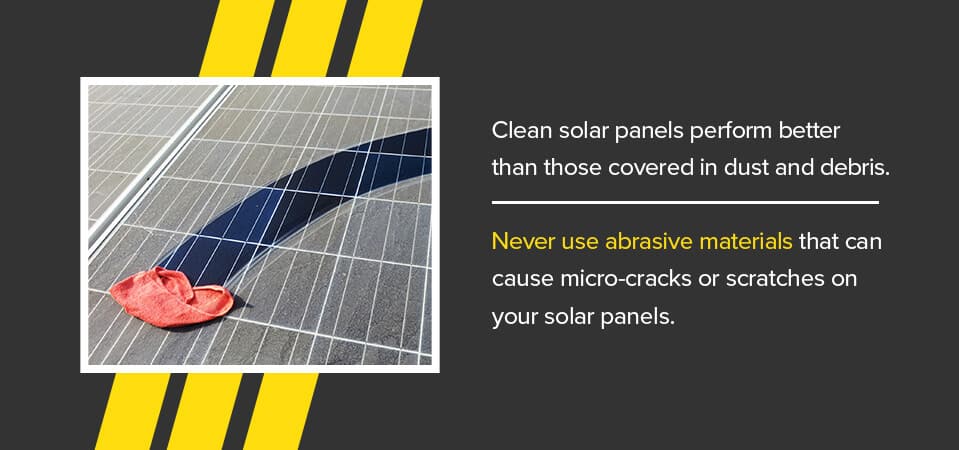
When cleaning is needed, following proper techniques is critical. Here’s a breakdown of the do’s and don’ts:
Do’s
- Clean in the early morning or evening when panels are cool
- Use a soft-bristled brush or cloth with a long extension pole
- Use plain water or a manufacturer-approved cleaning solution
- Prioritize your safety; stay on the ground unless you have proper safety gear
Don’ts
- Never use a high-pressure washer; it can damage seals
- Never use harsh chemicals or abrasive scouring pads
- Do not walk on your solar panels
- Do not spray cold water on hot panels to avoid thermal shock
The goal is gentle cleaning that removes obstacles to sunlight without damaging the panels or putting yourself at risk. If your panels are difficult to access or you’re not comfortable with the task, professional cleaning services are available and affordable.
When to Call a Professional Solar Technician
Some maintenance tasks are not safe or advisable for homeowners to tackle. Knowing when to call in the experts is just as important as knowing what you can do yourself.
Annual Professional Inspection
We recommend scheduling a professional inspection every one to two years. Think of it like taking your car in for routine maintenance. You’re not waiting for something to break; you’re making sure everything continues to work properly.
During a professional inspection, a trained technician will check electrical connections for signs of corrosion or looseness. They’ll test your inverter’s performance to make sure it’s converting DC power to AC power efficiently. The mounting hardware gets inspected for any signs of wear or damage. The technician will also verify that your system is producing the expected amount of power based on its specifications and your location.
These inspections cost between $200 and $400, but they can prevent much more expensive problems down the road. A loose electrical connection caught early is a quick fix. That same connection left unaddressed could lead to equipment failure or even a fire hazard.
Troubleshooting Performance Issues
If your monitoring app shows a sudden, unexplained drop in production, don’t ignore it. While a single cloudy day will naturally reduce output, a sustained decrease in performance signals a problem that needs professional attention.
Common issues that require a technician include inverter malfunctions, damaged wiring, failed optimizers or microinverters, or panel degradation beyond normal levels. These aren’t problems you can diagnose or fix yourself. A trained professional has the testing equipment and expertise to identify the root cause and make the necessary repairs.
Damage from Storms or Debris
North Carolina experiences its share of severe weather. High winds, hail, and falling branches can all potentially damage solar panels. If you notice cracked glass, bent frames, or any other physical damage after a storm, call for a professional assessment immediately.
Even if the damage looks minor, it’s worth having it checked. A small crack can allow moisture to enter the panel, leading to much more serious problems over time. Most solar panel systems are covered by warranties that include storm damage, so addressing issues promptly protects your system and your warranty coverage.
Understanding Solar Panel Maintenance Costs and Warranties
One of the great advantages of solar panels is that ongoing costs are minimal, especially compared to the maintenance expenses of traditional power systems or generators.
DIY cleaning costs almost nothing. You’ll use water from your garden hose and maybe invest in a soft brush with an extension pole, which costs less than $50. Professional cleaning services are available if you prefer to have experts handle the job. For a standard residential roof, expect to pay between $150 and $300 for professional cleaning.
Professional inspections, as mentioned earlier, run $200 to $400. Given that these are only needed every year or two, the annual cost of maintaining your solar system is quite low.
Your warranties provide additional protection and peace of mind. Understanding what’s covered can help you plan for maintenance needs and expenses.
The manufacturer’s warranty covers the equipment itself, protecting you against defects in materials or workmanship. Most solar panels come with a 25-year manufacturer’s warranty, while inverters typically have warranties ranging from 10 to 25 years, depending on the model.
Performance warranties guarantee that your panels will continue producing a certain percentage of their rated power over time. A performance warranty might guarantee that panels will still produce at least 85% of their original output after 25 years. This warranty protects you from excessive degradation.
The workmanship warranty is crucial for maintenance concerns. This warranty covers issues related to the installation itself, including roof penetrations, wiring connections, and mounting hardware. At 8MSolar, we stand behind our work with a comprehensive workmanship warranty that guarantees you’re protected long after installation day.
FAQs About Solar Panel Maintenance
Do solar panels work in the rain?
Yes, solar panels continue to generate electricity in the rain, though at reduced capacity compared to sunny conditions. Rain is actually beneficial because it naturally cleans your panels, washing away dust and debris that can reduce efficiency.
How much efficiency is lost if panels are dirty?
Studies show that dirty panels can lose between 5% and 25% of their efficiency, depending on the level of soiling. Light dust might only reduce output by 5%, while heavy accumulation of dirt, bird droppings, or pollen can cause losses of 20% or more.
Can I walk on my solar panels?
No, you should never walk on your solar panels. While they’re built to withstand hail and wind, they’re not designed to support the concentrated weight of a person. Walking on panels can cause cracks, damage the cells, and void your warranty.
Do solar panels need to be turned off during maintenance?
For simple visual inspections and gentle cleaning with water, the system doesn’t need to be turned off. However, for any maintenance involving electrical components or if you’re unsure, it’s safer to shut down the system using the proper procedures outlined in your owner’s manual.
How long do solar panels last with proper maintenance?
With proper maintenance, solar panels last 25 to 30 years or more. They gradually lose efficiency over time, usually at a rate of about 0.5% per year, but they continue producing electricity long past their warranty period.
Protect Your Investment with 8MSolar’s Expert Services
Solar panel maintenance is simpler than most homeowners expect. The key is staying aware of your system’s performance through regular monitoring, keeping the panels clear of debris, and calling in professionals when specialized help is needed. These steps ensure your solar investment continues delivering clean energy and utility savings for decades.
The beauty of solar panels is that they reward a little attention with years of reliable, cost-effective performance. Unlike traditional energy systems that require constant fuel and frequent repairs, your solar panels are working for you day after day with minimal intervention.
You’re not alone in maintaining your solar investment. Whether you have questions about your system’s performance, need a professional cleaning, or want to schedule a system check-up, the 8MSolar team is here to help. Our technicians know every component of your system because we installed it, and we’re committed to making sure it continues performing at its best.
Contact us today to schedule a professional inspection or to discuss any maintenance concerns. Your solar panels are built to last, and with 8MSolar’s expert support, they’ll continue powering your home efficiently for many years to come.