Installing solar panels creates a 25-year investment in your home’s energy future. When you’re spending $15,000 to $30,000 on a solar energy system, the warranties that protect this investment become your safety net against unexpected costs and equipment failures.
Think of solar warranties as the manufacturer’s and installer’s promise of quality. They’re your assurance that the system powering your home will perform as expected for decades to come. Yet many homeowners rush through warranty discussions during the sales process, only to regret not understanding the fine print when issues arise years later.
This guide will break down the three major types of solar warranties you need to understand to fully protect your investment: solar panel warranties, inverter warranties, and the often-overlooked workmanship warranty from your installer.
The 3 Types of Solar Warranties Explained
Understanding solar warranties requires knowing that not all coverage is created equal. Your solar energy system involves multiple components from different manufacturers, each with their own warranty terms. Here’s what protects your investment.
1. Solar Panel Product Warranty
The solar panel product warranty covers defects in materials and manufacturing. Think of it like buying a new television. If the TV won’t turn on due to a manufacturing defect, the warranty covers a replacement. Similarly, if your solar panel develops defects like cracked glass, faulty junction boxes, or frame corrosion, the product warranty ensures you get a replacement panel at no cost.
Most reputable solar panel manufacturers offer product warranties ranging from 15 to 25 years. Top-tier brands like Q Cells, REC Group, and Panasonic usually provide 25-year product warranties, reflecting their confidence in build quality. This warranty length is crucial because solar panels are designed to operate in harsh outdoor conditions for decades.
The product warranty protects against issues like delamination (where panel layers separate), hot spots that can cause permanent damage, and electrical connection failures. What it doesn’t cover is normal wear and gradual performance decline—that’s where the performance warranty comes in.
2. Solar Panel Performance (Power Output) Warranty
The performance warranty, also called a power output warranty, protects against excessive degradation over time. Solar panels naturally lose a small amount of efficiency each year as they age, but the performance warranty guarantees your panels will maintain a specific percentage of their original output after 25 years.
Premium manufacturers guarantee that panels will produce at least 85-92% of their original capacity after 25 years. For example, if you install a 400-watt panel with a 90% performance guarantee, it should still produce at least 360 watts after 25 years of operation.
This warranty includes a degradation curve that shows the minimum guaranteed performance year by year. In the first year, panels maintain 98% of their original output, with annual degradation rates of 0.25% to 0.5% thereafter. Lower degradation rates mean better long-term performance and more energy production over your system’s lifetime.
The performance warranty is important for your financial projections. When calculating payback periods and long-term savings, you need confidence that your panels will continue generating electricity decades into the future.
3. Workmanship & Installation Warranty
This is the most critical warranty that many homeowners overlook: the workmanship warranty from your solar installer. While manufacturers warrant their products, your installer warrants the quality of their work, including mounting systems, electrical connections, conduit runs, and roof penetrations.
Workmanship warranties cover issues like:
- Roof leaks caused by improper flashing or mounting
- Electrical problems from poor wiring or connections
- Mounting system failures that could damage panels
- Inverter installation and electrical panel integration issues
The workmanship warranty length varies by installer. Some companies offer as little as one year, while others provide 10 years or more. At 8MSolar, we stand behind our installations with workmanship warranties because we know that proper installation is just as important as quality equipment.
This warranty becomes the most important in the first few years after installation. While solar panel failures are relatively rare, installation-related issues like loose connections or inadequate weatherproofing can cause problems that need immediate attention.
Decoding Inverter and Power Optimizer Warranties
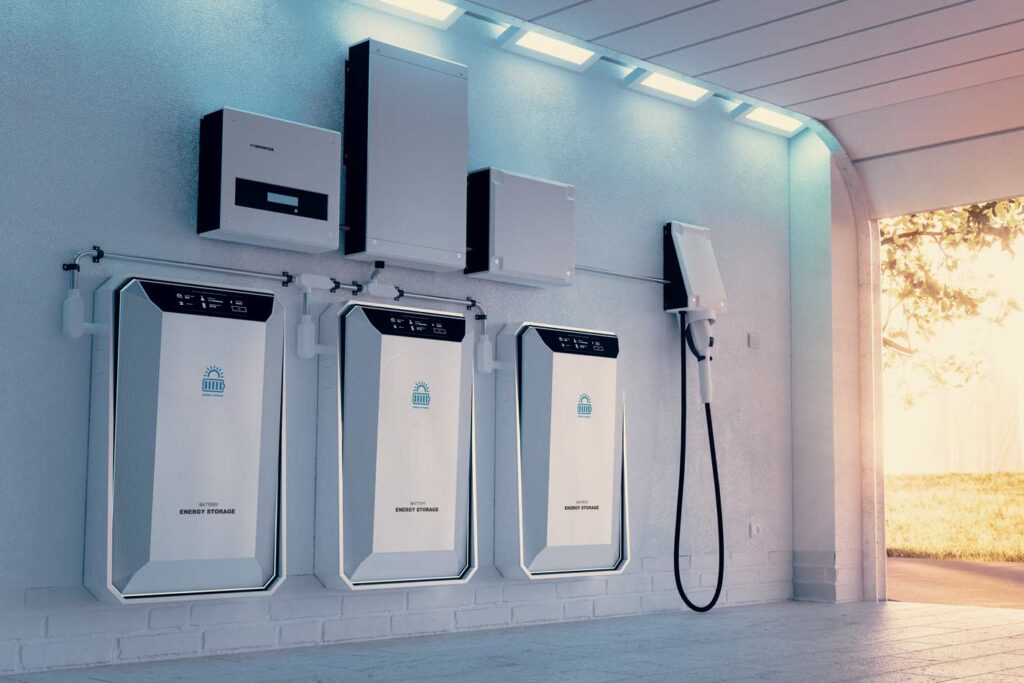
Inverters convert the direct current (DC) electricity your panels produce into alternating current (AC) electricity your home can use. Since inverters contain electronic components that work harder than solar panels, they usually have shorter lifespans and different warranty structures.
Central (String) Inverter Warranties
Central inverters, also called string inverters, come with standard 12-year warranties. These are the large box-style inverters usually mounted on exterior walls or in garages. Leading manufacturers like Fronius, SMA, and SolarEdge offer options to extend warranties to 20 or 25 years for additional cost.
The shorter standard warranty reflects the reality that inverters are more likely to need replacement during your system’s lifetime. Central inverters contain fans, capacitors, and other components that can wear out. Extending the warranty to match your panel warranty period provides peace of mind and protects against replacement costs.
Microinverter & Power Optimizer Warranties
Microinverters and power optimizers represent newer technology that often comes with 25-year warranties standard. Companies like Enphase (microinverters) and SolarEdge (power optimizers) have confidence in their products and align their warranties with solar panel timeframes.
Microinverters attach to individual panels and convert DC to AC right at the panel level. Power optimizers condition the DC power from each panel before sending it to a central inverter. Both technologies offer panel-level monitoring and can improve system performance, especially on roofs with shading or complex orientations.
The 25-year warranty coverage on these components eliminates the worry about inverter replacement costs that come with central inverter systems. This warranty alignment means your entire system maintains consistent coverage throughout its lifetime.
What to Look For: Comparing Solar Warranties Like a Pro
Not all warranties are created equal. Here’s what separates good coverage from great coverage when evaluating solar warranties.
Degradation Rate
The annual degradation rate in your performance warranty impacts long-term energy production. Premium panels guarantee degradation rates of 0.25% to 0.4% per year, while budget panels might degrade 0.5% to 0.7% annually.
Over 25 years, the difference is substantial. A panel with 0.3% annual degradation retains 92.5% of its original output after 25 years, while a panel with 0.6% degradation retains just 85%. For a typical home system, this difference can mean thousands of dollars in lost energy production.
Labor Coverage for Repairs
One distinction separates good warranties from great ones: labor coverage. Some manufacturers only cover the cost of replacement parts, leaving you responsible for labor costs to remove old equipment, install new components, and restore your system to working condition.
Full warranties include both parts and labor costs. This coverage can save thousands of dollars, as accessing roof-mounted panels and replacing inverters requires professional electrical work. When working with experienced installers, this coverage often includes the service team handling warranty claims directly with manufacturers, simplifying the process for homeowners.
Transferability
Quality warranties transfer to new homeowners if you sell your house. This transferability adds value to your property and can be a selling point for prospective buyers. Transferable warranties demonstrate that your solar investment will continue protecting the next owner, making your home more attractive in competitive real estate markets.
Most manufacturer warranties are transferable with proper documentation, but workmanship warranties may require notification to the installer. Understanding transfer requirements before you need them ensures a smooth process if you decide to sell your home.
Frequently Asked Questions
What can void a solar panel warranty?
Several actions can void manufacturer warranties, including unauthorized modifications, improper electrical work, physical damage from extreme weather or accidents, and installation by non-certified installers. Most warranties also exclude damage from “acts of God” like hurricanes, hail, or earthquakes, though these events might be covered by homeowners insurance.
Regular maintenance like cleaning panels doesn’t void warranties, but using harsh chemicals or abrasive cleaning methods might. Always follow manufacturer guidelines for cleaning and maintenance to preserve warranty coverage.
Who do I call to make a warranty claim: the installer or the manufacturer?
Start with your installer, especially for issues in the first few years after installation. Experienced installers maintain relationships with manufacturers and can often expedite warranty claims while determining whether issues stem from products or installation.
For obvious product defects after several years, you might contact manufacturers directly. Diagnosis often requires professional evaluation to determine whether problems result from equipment failure, installation issues, or external factors. Your installer’s expertise becomes valuable in navigating these determinations.
Are solar panel warranties worth it?
Extended warranties beyond standard coverage are unnecessary when choosing quality components from reputable manufacturers. Standard warranties from companies like Q Cells, REC Group, and Enphase already provide excellent coverage that aligns with realistic equipment lifespans.
Focus on choosing an installer who uses premium components with strong standard warranties rather than purchasing additional warranty coverage. The money spent on extended warranties often provides better value when invested in higher-quality equipment upfront.
Top-Tier Warranties for Your Peace of Mind
Understanding solar warranties shouldn’t require a law degree. Strong, multi-faceted warranty coverage protects different aspects of your investment. Product warranties guard against manufacturing defects, performance warranties ensure long-term energy production, and workmanship warranties protect against installation issues.
At 8MSolar, we believe warranty coverage should be worry-free. That’s why we exclusively use solar panels, inverters, and mounting systems from manufacturers who stand behind their products with industry-leading warranties. More importantly, we back our own work with workmanship warranties that protect against installation-related issues.
When you choose 8MSolar, you’re not just getting a solar energy system—you’re getting peace of mind that comes from knowing your investment is protected by the best warranties in the industry. Our experienced team handles warranty coordination, service calls, and ongoing system monitoring to ensure your solar investment performs as promised for decades to come.
Ready to learn more about the industry-leading warranties that come standard with our solar energy systems? Contact 8MSolar today to schedule your free consultation and discover how proper warranty coverage protects your solar investment from day one through year 25 and beyond.