Think solar panels are too expensive, won’t last, or only work in sunny states? You’re not alone. These misconceptions have been circulating for years, holding back homeowners from making one of the smartest investments they can make for their property and their wallet.
The reality is that outdated information, misleading claims, and occasional bad experiences have created a fog of confusion around solar energy. While solar technology has advanced dramatically over the past decade, becoming more efficient, more affordable, and more accessible, many people still base their decisions on myths that were never true or stopped being true years ago.
This guide will cut through the noise and bust the top 10 solar panel myths you’ve heard. We’ll break down the real costs of installation, explain how long solar panels actually last, and give you the facts you need to make an informed decision about solar energy for your home.
Table of Contents
- Myth #1 — Solar Panels Damage Your Roof
- Myth #2 — Solar Panels Are Too Expensive
- Myth #3 — Solar Panels Don’t Last Long
- Myth #4 — Solar Only Works in Sunny States
- Myth #5 — Solar Panels Lower Home Value
- Myth #6 — Solar Doesn’t Work on Cloudy Days or at Night
- Myth #7 — Solar Panels Require Constant Maintenance
- Myth #8 — Solar Panels Are Bad for the Environment
- Myth #9 — Solar Panels Won’t Work During a Power Outage
- Myth #10 — Solar Panels Are Only for the Wealthy
- Why Solar Myths Keep Spreading
- The Truth About Solar Panels
Myth #1 — Solar Panels Damage Your Roof
Where This Myth Comes From
The fear that solar panels will damage your roof stems from horror stories about leaks or DIY installations gone wrong. Some homeowners worry that drilling into their roof to mount panels will create vulnerabilities that lead to water damage or structural problems down the road.
The Truth
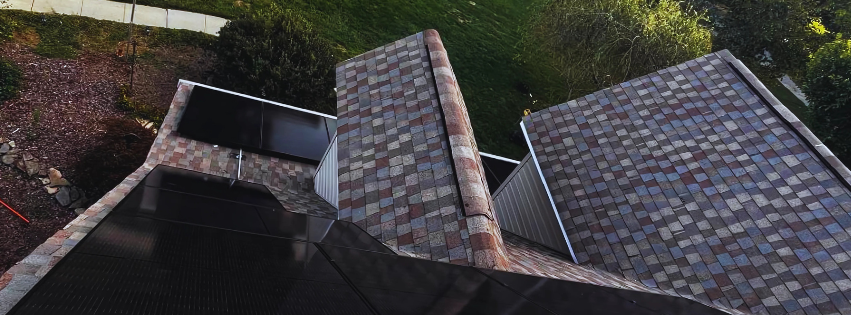
When installed by qualified professionals, solar panels actually protect the sections of your roof they cover. At 8MSolar, our installation process includes proper waterproofing, flashing around all mounting points, and careful attention to your roof’s integrity. We use specialized mounting systems designed to prevent leaks and distribute weight evenly across your roof structure.
Professional installers assess your roof’s condition before installation and will recommend any necessary repairs. The panels themselves shield your roof from weather, UV radiation, and debris, extending the life of the covered sections. Most reputable solar companies provide workmanship warranties that cover any roof-related issues resulting from installation.
Myth #2 — Solar Panels Are Too Expensive
Outdated Pricing
This myth was closer to the truth 15 years ago when solar panel costs were significantly higher. However, holding onto this outdated perception means missing out on one of the best financial decisions you can make for your home today.
The Real Cost of Solar Panel Installation in 2025
The cost of solar has dropped dramatically. In 2025, the average cost per watt for a residential solar installation ranges from $3 to $4, depending on your system size and specific needs. For a 6-kilowatt system, you’re looking at $18,000 to $24,000 before incentives.
The federal solar tax credit allows you to deduct 30% of your installation costs from your federal taxes. That brings the cost of a $20,000 system down to $14,000. North Carolina residents may also qualify for additional state and local rebates that further reduce the upfront investment.
Most solar companies, including 8MSolar, offer flexible financing options with zero-down payment plans. This means you can start saving on your electricity bills immediately, with monthly solar payments lower than what you’re currently paying your utility company. The payback period ranges from 7 to 12 years, after which you’re generating free electricity for the remainder of your system’s life.
Myth #3 — Solar Panels Don’t Last Long
The Concern
Some people believe solar panels wear out quickly, needing replacement after just 10 years. This misconception likely comes from confusing solar panels with other electronics or appliances that have shorter lifespans.
The Truth About Solar Panels Lifespan
Solar panels are built to last 25 to 30 years or more. In fact, many panels installed in the 1980s are still producing electricity today, albeit at slightly reduced efficiency. The solid-state nature of solar panels means there’s very little that can wear out under normal operating conditions.
Solar panels do experience a gradual decline in efficiency over time, around 0.5% per year. This means that after 25 years, your panels should still be operating at about 87-88% of their original capacity. That’s remarkable durability for any home improvement investment.
Most quality manufacturers, including brands like Q Cells, REC, and Panasonic that we work with at 8MSolar, provide 25-year power output warranties guaranteeing that your panels will maintain at least 80-90% of their rated capacity throughout that period. They also typically include product warranties covering manufacturing defects for 10-25 years.
Myth #4 — Solar Only Works in Sunny States
Why It Sticks
People confuse “sunlight” with “heat” when thinking about solar energy. The perception that you need blazing sunshine and high temperatures for solar to be worthwhile is deeply ingrained but misguided.
The Reality
Here’s something that surprises many homeowners: cold weather actually boosts solar panel efficiency. Solar panels perform better in cooler temperatures because heat can reduce their electrical output. This is why solar installations in Germany—a country not known for its sunny weather—have been incredibly successful.
What matters for solar energy production isn’t heat, it’s sunlight, and sunlight reaches the Earth even on cloudy days. Northern states like Massachusetts, New York, and even Alaska have thriving solar industries. In North Carolina, where 8MSolar primarily operates, conditions are ideal for solar energy. We get plenty of sunlight without the extreme temperatures that can reduce panel efficiency in desert climates.
Cloudy days reduce output compared to clear days, but modern panels are efficient enough that your system will still generate meaningful power. Over the course of a year, your solar system will produce the energy it was designed to deliver based on your location’s average sunlight conditions.
Myth #5 — Solar Panels Lower Home Value
The Misconception
Some homeowners worry that installing solar panels will hurt their property’s resale value or turn off potential buyers who don’t want to deal with the system.
The Reality
The data tells a different story. Homes with solar panels sell faster and for more money than comparable homes without them. A study by Zillow found that homes with solar panels sell for approximately 4% more than similar homes without solar installations.
This makes sense when you think about it from a buyer’s perspective. A home with solar panels offers predictable, lower energy costs, protection against rising utility rates, and an environmentally friendly energy source. These are attractive features for today’s homebuyers.
There is one important distinction: owned solar panel systems add value to your home, while leased systems can complicate sales. When you own your solar panels outright or have financed them through a loan, the value transfers with the home. This is another reason why purchasing your system—taking advantage of available incentives and financing options—is the best approach.

Myth #6 — Solar Doesn’t Work on Cloudy Days or at Night
Cloudy Days
Solar panels do generate electricity on cloudy days, producing 10-25% of their rated capacity depending on cloud thickness. While output is reduced compared to sunny days, your panels are still working and offsetting your utility costs.
Nighttime
Obviously, solar panels don’t generate electricity at night when there’s no sunlight. This doesn’t mean you lose power when the sun goes down. Grid-connected solar systems, which most homes use, draw electricity from the utility grid at night just as you did before installing solar. The difference is that your solar production during the day has already offset much or all of your nighttime usage.
For homeowners who want complete energy independence or backup power during outages, battery storage systems like the Tesla Powerwall, Enphase batteries, or Generac Pwrcell can store excess solar energy generated during the day for use at night or during grid outages. While batteries add to the upfront cost, they provide peace of mind and maximize the value of your solar investment.
Myth #7 — Solar Panels Require Constant Maintenance
What People Think
Some homeowners believe solar panels need frequent cleaning, constant adjustments, or regular repairs to keep working properly.
Reality
Solar panels require minimal maintenance. In most cases, rain naturally cleans your panels, washing away dust and debris. If you live in a dusty area or near agricultural operations, you might benefit from occasional professional cleaning, but this is usually only necessary every few years.
The lack of moving parts in solar panels means there’s very little that can break or wear out. An occasional visual inspection to check for damage from severe weather and keeping nearby trees trimmed to prevent shading are about the extent of routine maintenance required.
Modern inverters, which convert the DC power from your panels into usable AC power, usually come with 10-year warranties and monitoring systems that alert you to any performance issues. With proper installation and the 25-year warranties that come standard with quality panels, your solar system is designed to operate reliably with minimal intervention for decades.
Myth #8 — Solar Panels Are Bad for the Environment
The Misconception
Critics argue that the environmental costs of manufacturing solar panels—including energy use and raw material extraction—outweigh their benefits.
The Reality
Solar panels have an energy payback period of just 1-3 years, meaning they generate enough clean energy to offset the emissions from their manufacturing within that timeframe. After that, they continue producing clean electricity for another 22-27 years or more.
Over their lifespan, solar panels offset dozens of times more CO₂ than was produced during their manufacture. The environmental math is overwhelmingly in favor of solar energy. Manufacturing processes continue to improve, reducing the carbon footprint of panel production.
While proper recycling of solar panels at the end of their life is important, the solar industry is developing recycling programs to recover valuable materials like silicon, glass, and precious metals. When compared to the ongoing environmental damage from burning fossil fuels, solar energy is clearly the more sustainable choice.
Myth #9 — Solar Panels Won’t Work During a Power Outage
Why This Myth Exists
This misunderstanding comes from confusion about how grid-tied solar systems work.
The Truth
Standard grid-tied solar systems automatically shut down during power outages. This safety feature protects utility workers who are repairing power lines. Without this automatic shutdown, your solar system could continue sending electricity to the grid, creating a dangerous situation for repair crews.
This doesn’t mean you’re stuck without power during outages. Adding battery storage to your solar system allows you to power your home during grid outages. Systems like the Tesla Powerwall 3, Enphase IQ Battery, or other battery solutions create a “microgrid” for your home, automatically switching to battery power when the grid goes down and recharging from your solar panels when the sun is shining.
For homeowners in areas with frequent outages or those who want energy independence, the combination of solar panels and battery storage provides reliable power regardless of grid conditions.
Myth #10 — Solar Panels Are Only for the Wealthy
Outdated Perception
When solar first became available for residential use, it was mainly adopted by high-income households who could afford the steep upfront costs. This created a perception that solar was a luxury reserved for the wealthy.
The Reality
Solar energy is now accessible to middle-class families across North Carolina. The combination of lower installation costs, state incentives, and zero-down financing options has opened solar to a much broader range of homeowners.
When you consider that solar panels reduce or eliminate your monthly electricity bills, the financial equation changes dramatically. Many homeowners find that their monthly solar loan payment is less than what they were previously paying the utility company, meaning they start saving money from day one while building equity in their solar system.
Families who want to reduce their energy costs, protect against rising utility rates, and invest in their property can benefit from solar, regardless of income level.

Why Solar Myths Keep Spreading
These myths persist for several reasons. Old information lingers on the internet, long after the facts have changed. Some fossil fuel interests have funded misinformation campaigns designed to slow solar adoption. And unfortunately, a few disreputable installers have given the industry a bad name through poor workmanship or misleading sales tactics.
This is why choosing a reputable, transparent solar provider matters. At 8MSolar, we believe in honest conversations about what solar can and can’t do for your specific situation. We provide detailed information about costs, realistic expectations for energy production, and straightforward answers to your questions. Our local project managers, experienced in construction and engineering, guarantee quality throughout the entire process.
The Truth About Solar Panels
Solar panels are more affordable, more durable, and more effective than most homeowners realize. They add value to your property, reduce your environmental impact, and provide protection against rising energy costs. While no energy solution is perfect for every situation, solar has become a practical, proven option for millions of American homeowners.
Don’t let outdated myths hold you back from exploring whether solar makes sense for your home. The facts speak for themselves: solar energy has never been more accessible or more beneficial for North Carolina homeowners.
Ready to separate fact from fiction for your specific situation? Contact 8MSolar for a free consultation. We’ll assess your home’s solar potential, provide transparent cost estimates, and answer all your questions with straight talk and real data. Start your solar journey today.