When homeowners decide to go solar, they face a choice that reaches beyond adding renewable energy to their property. The decision between solar shingles and traditional solar panels involves balancing aesthetic preferences, budget considerations, and long-term performance goals. As solar technology advances and more options enter the market, understanding the differences between these two approaches has never been more important.
Solar shingles are a newer approach to residential solar energy, integrating photovoltaic technology directly into your roofing material. Traditional solar panels, on the other hand, are mounted on top of your existing roof structure. Both options can help you reduce electricity bills and decrease your carbon footprint, but they differ in cost, efficiency, installation requirements, and visual impact.
This guide will walk you through everything you need to know about solar shingles versus solar panels. We’ll break down the cost differences, compare energy performance, examine aesthetic considerations, and help you determine which solution makes the most sense for your home and circumstances.
Table of Contents
Cost Comparison: Why Solar Panels Often Win
Solar Shingle Pricing Breakdown
Solar shingles come with a premium price tag that reflects their dual function as roofing material and energy generation system. For a complete solar shingle installation on an average-sized home, you can expect to pay between $35,000 and $75,000. When calculated by square foot, solar shingles cost $20 to $25 per square foot. If you’re looking at the price per watt of generating capacity, solar shingles fall in the range of $3.80 to $7 per watt.
This higher cost reflects several factors. Solar shingles require specialized installation expertise, more complex integration with your roof structure, and often involve longer lead times due to limited availability. The technology itself is also more intricate, as each shingle has to function as a protective roofing element and an energy generator.
Solar Panel Price Range
Traditional solar panels present a more cost-effective option for most homeowners. A complete solar panel system for a residential property ranges from $24,000 to $36,000. The cost per watt for solar panels hovers around $3, making them more affordable than solar shingles when comparing generating capacity.
The lower price point for solar panels stems from their widespread adoption, mature technology, and competitive installer market. Because solar panels have been the standard for residential solar installations for decades, the supply chain is well-established, and installation processes are streamlined and efficient.
Tesla Solar Roof Example
To put these numbers in perspective, consider the Tesla Solar Roof, one of the most well-known solar shingle products on the market. A Tesla Solar Roof installation costs around $106,000 for a complete system. In contrast, replacing a roof with traditional asphalt shingles and then installing solar panels on top would cost approximately $40,000 total.
Even more striking, the Tesla Solar Roof only covers about one-third of its cost through energy savings over the 25-year lifespan of the system. This means that while solar shingles offer undeniable aesthetic appeal, the financial return on investment doesn’t match that of traditional solar panels for most homeowners.
Efficiency and Energy Performance
Efficiency Ratings
When it comes to converting sunlight into electricity, traditional solar panels maintain a clear advantage. Modern solar panels can achieve efficiency ratings of up to 24%, with many quality panels operating in the 20% to 22% range. Solar shingles, by contrast, offer efficiency ratings between 14% and 18%.
This efficiency gap matters because it directly affects how much electricity your system can generate. For the same roof area, solar panels will produce more power than solar shingles. If your goal is to maximize energy production and minimize your electricity bills, panels deliver superior performance.
Orientation and Airflow Considerations
Solar panels offer installation flexibility that solar shingles cannot match. Panels can be mounted at optimal angles to capture the most sunlight based on your location and roof characteristics. They also benefit from airflow beneath the panels, which helps keep them cool and operating efficiently.
Solar shingles, because they lie flat against your roof surface, don’t allow for this beneficial airflow. They tend to overheat more easily, which reduces their efficiency. The flat installation also means you can’t adjust the angle to optimize sun exposure throughout the day and across seasons. These factors combine to make solar shingles less efficient than panels, even when comparing systems with similar rated capacities.
Aesthetic and Design Factors
Sleek Integration with Solar Shingles
The selling point of solar shingles is their integration with your roof. Solar shingles are designed to blend in with traditional roofing materials, creating a uniform appearance that many homeowners find more attractive than mounted panels. For homes in neighborhoods with strict homeowners association rules or for property owners who prioritize curb appeal, this integrated look can be invaluable.
Solar shingles come in various colors and styles designed to mimic conventional roofing materials. From a distance, many observers won’t even realize your roof is generating electricity. This subtle approach to solar energy appeals to homeowners who want the environmental and financial benefits of solar without the visual statement that comes with traditional panels.
Visual Impact of Panels
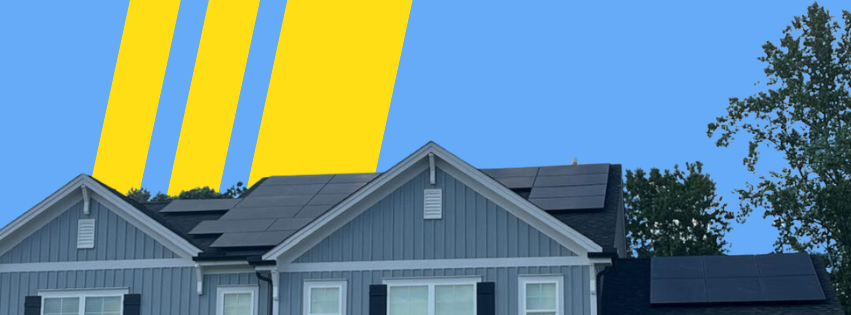
Traditional solar panels are more visible and make a clear statement that your home uses solar energy. The panels sit several inches above your roof surface, and their dark blue or black appearance contrasts with most roofing materials. Some homeowners embrace this look as a badge of environmental responsibility, while others find it less aesthetically pleasing.
Recent advances in panel design have improved their appearance. All-black panels with black frames and mounting hardware create a sleeker look than older blue-tinted panels with silver frames. Still, even the most attractive solar panels remain noticeably different from your underlying roof.
Installation and Availability
Installer Accessibility
One advantage of traditional solar panels is the availability of qualified installers. Solar panels have become mainstream, and experienced installation companies operate in virtually every market across North Carolina. This competition among installers helps keep prices competitive and gives homeowners more options when selecting a solar provider.
Solar shingles require specialized installation expertise that fewer contractors possess. The installation process is more complex and time-consuming than mounting panels, and finding a qualified installer in your area may prove challenging. Longer lead times are common with solar shingles, sometimes extending several months from order to installation.
Roof Replacement vs Retrofit
Solar shingles make the most sense when you need to replace your roof anyway. Because solar shingles serve as both your roofing material and your solar energy system, they eliminate the need for separate roofing and solar installations. If your roof is nearing the end of its lifespan, solar shingles let you address both needs in a single project.
Traditional solar panels work well for retrofit applications. If your roof is in good condition and you simply want to add solar energy, panels can be mounted on top of your existing roof without disturbing the underlying structure. This retrofit approach is faster, less invasive, and more cost-effective than a complete roof replacement with solar shingles.
Durability, Warranty, and Maintenance
Lifespan
Both solar shingles and solar panels are built to last. Most systems come with warranties guaranteeing 20 to 30 years of performance, and many will continue generating electricity beyond their warranty period. Some high-quality solar panels can last up to 40 years with proper maintenance.
The longevity of both technologies means your investment will provide returns for decades. However, the comparable lifespans don’t tell the whole story when it comes to long-term maintenance and repairs.
Repair and Replacement
Solar panels offer a advantage when it comes to repairs. Each panel operates independently, so if one panel becomes damaged or stops working, it can be easily replaced without affecting the rest of your system. The modular nature of panel installations makes maintenance straightforward and cost-effective.
Solar shingles present more challenges for repairs. Because they’re integrated into your roof structure and interconnected electrically, replacing damaged shingles is more complex. Each solar shingle is a potential point of failure, and with hundreds of individual shingles on your roof, there are more components that could require attention over the system’s lifetime.
Overall Value Consideration
When evaluating return on investment, solar panels deliver faster payback for most homeowners. Their lower upfront cost combined with higher efficiency means you’ll recover your investment more quickly through reduced electricity bills.
Solar shingles can still make financial sense in specific situations. If you’re already planning to replace your roof, the incremental cost of upgrading to solar shingles versus installing a new roof and then adding panels may be more reasonable. The aesthetic value also matters to many homeowners and can justify the premium for those who prioritize appearance.
When to Choose Shingles vs Panels
Solar Shingles Make Sense If
Solar shingles are the right choice when you’re replacing an aging roof and want to combine both projects into a single installation. They’re ideal if you face strict homeowners association rules that limit or prohibit traditional solar panels. If aesthetics are your top priority and you’re comfortable paying a premium for an integrated look, solar shingles deliver unmatched curb appeal.
Solar Panels Are Better If
Choose traditional solar panels when you want the most cost-efficient path to solar energy. Panels offer higher efficiency, better value, faster installation, and broader installer availability. If your roof is in good condition and doesn’t need replacement, panels let you go solar without the expense of a new roof. For most homeowners focused on maximizing energy production and return on investment, solar panels remain the superior choice.
Hybrid or Alternative Options
Some homeowners explore middle-ground solutions. Solar tiles can be integrated into specific sections of your roof while using traditional roofing materials elsewhere. Partial panel installations on the most visible sections of your roof can balance performance with aesthetics. Working with an experienced solar installer helps you explore creative options that meet your needs.
Real User Perspectives
Homeowners who have researched both options often share valuable insights. One common observation is that “Tesla Solar roof will be 2 to 3 times the cost of asphalt shingles plus solar panels.” This cost reality leads many to conclude that while solar shingles look impressive, the financial math doesn’t work for typical residential applications.
The efficiency difference also resonates with homeowners focused on performance. As one solar user noted, “Panels are way more efficient, and you can produce way more power” with traditional panels than with solar shingles covering the same area. This efficiency advantage translates directly into lower electricity bills and faster payback periods.
Frequently Asked Questions
Which lasts longer: shingles or panels?
Both technologies offer similar lifespans of around 25 years. Some high-quality solar panels can last up to 40 years, outlasting solar shingles. The practical difference comes down to repairability, where panels’ modular design offers advantages over integrated shingle systems.
Maintenance: are shingles harder to walk on?
Yes, solar shingles can be slippery and more delicate than traditional roofing materials. This makes roof maintenance and repairs more challenging. You’ll need to take extra care when accessing your roof for any reason, and professional maintenance may be required more often than with traditional panels.
Are solar shingles adaptable for complex roof shapes?
Solar shingles offer one advantage over panels when it comes to irregular roof layouts. Because shingles are smaller and more flexible in placement, they can adapt to complex roof shapes, dormers, and architectural features that might be difficult to cover with standard rectangular panels.
Your Next Step Toward Solar Energy
The choice between solar shingles and solar panels comes down to your priorities. Solar shingles win in aesthetics and integration, offering a sleek appearance that blends seamlessly with your home. Solar panels win in affordability, efficiency, and flexibility, delivering superior energy production and faster return on investment.
Most homeowners find that traditional solar panels provide the best value. They generate more electricity per dollar invested, install more quickly, and offer easier maintenance and repairs over their lifetime. The wider availability of qualified installers and established track record make panels a reliable choice for going solar.
Solar shingles make sense in specific situations, like when you’re replacing your roof and want to combine both projects. If aesthetics matter more than cost and you’re prepared for the premium price and longer installation timeline, solar shingles deliver an integrated look that traditional panels cannot match.
At 8MSolar, we help North Carolina homeowners navigate these decisions with expert guidance tailored to your specific situation. Whether you’re interested in traditional solar panels, exploring solar shingles, or considering a hybrid approach, our team can evaluate your roof, energy needs, and budget to recommend the best solution.
Contact 8MSolar today to schedule a free solar consultation. We’ll assess your property, discuss your goals, and provide clear recommendations about whether solar shingles, traditional panels, or another option makes the most sense for your home. Take the first step toward energy independence with a partner who puts your needs first.