If you live in North Carolina, you know that hurricane season brings more than just rain. Strong winds, flying debris, and power outages can disrupt daily life and damage property. As energy costs continue to climb and more homeowners seek sustainable solutions, solar panels have become a popular investment. But one question keeps coming up: Can solar panels survive a hurricane?
The short answer is yes. When properly selected and installed, solar panels can withstand hurricane-force winds and even protect your roof from storm damage. At 8MSolar, we specialize in designing and installing solar systems for coastal homes and businesses in hurricane-prone regions. With over two decades of experience, we understand the unique challenges these areas face and how to build solar solutions that last through extreme weather.
This guide will walk you through everything you need to know about hurricane-proof solar panels, from understanding durability ratings to choosing the right installation methods for storm-prone areas. Whether you’re a homeowner looking to cut energy bills or a business owner seeking energy independence, this information will help you make an informed decision about protecting your investment while harnessing clean energy.
Table of Contents
- How Solar Panels Protect Your Roof During Extreme Weather
- What Makes Solar Panels Hurricane-Proof
- Installation Tips for Storm-Prone Areas
- Common Concerns and Misconceptions About Solar Panels and Hurricanes
- Why 8MSolar Is the Trusted Choice for Hurricane-Prone Regions
- Frequently Asked Questions
- Get Hurricane-Proof Solar Panels Installed Today
How Solar Panels Protect Your Roof During Extreme Weather
Most people think of solar panels as vulnerable during hurricanes, but the reality is quite different. High-quality solar panels can actually add a layer of protection to your roof.
Shielding Against UV, Rain, and Hail
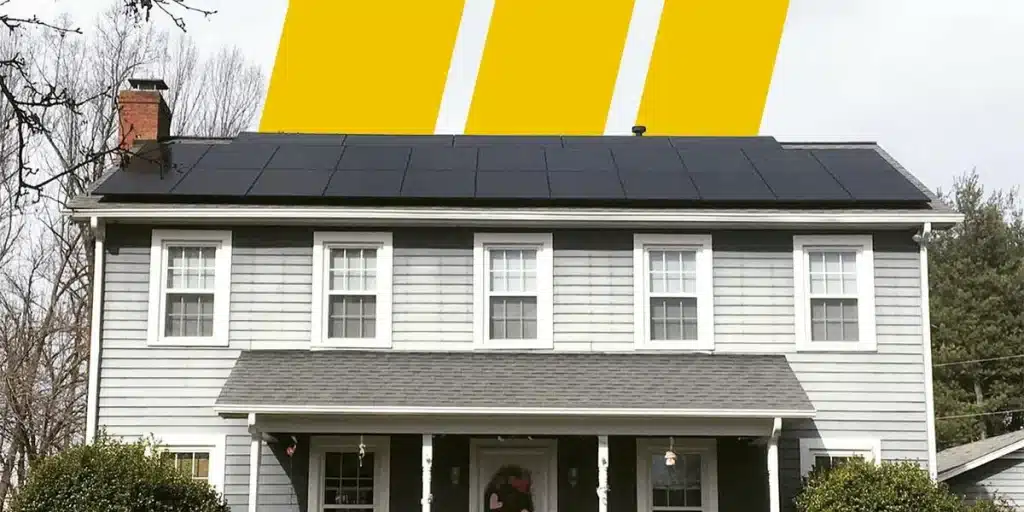
Solar panels act as a protective barrier for the shingles and roofing materials beneath them. When installed correctly, they shield your roof from constant sun exposure, heavy rainfall, and hail impact. The panels themselves are constructed from tempered glass and durable aluminum frames designed to absorb impact without breaking.
Tempered glass used in quality solar panels is four to five times stronger than standard glass. This means panels can withstand hail up to 25mm in diameter falling at approximately 50 miles per hour. The aluminum frames are engineered to distribute stress evenly across the panel surface, preventing weak points that could fail under pressure.
Benefits of a Reinforced Roof with Solar Panels
Installing solar panels can extend your roof’s lifespan by protecting it from weather-related wear and tear. The panels reduce direct exposure to UV radiation, which breaks down roofing materials over time. They also minimize thermal cycling, the expansion and contraction that occurs when temperatures fluctuate.
Properly installed solar mounting systems also add structural strength to your roof. The racking systems used to secure panels are anchored directly into roof rafters, creating additional support that helps resist wind uplift during storms. This reinforcement can be valuable in areas where hurricane-force winds regularly test the limits of residential construction.
What Makes Solar Panels Hurricane-Proof
Not all solar panels are created equal when it comes to hurricane resistance. Understanding the ratings and materials that matter will help you choose panels that can handle extreme weather.
Understanding Solar Panel Ratings and Standards
Solar panels sold in the United States have to meet specific safety and durability standards. The UL 1703 and UL 61730 certifications indicate that panels have been tested for fire safety, electrical performance, and mechanical durability. These certifications are your baseline for quality.
For hurricane-prone regions, you need to look beyond basic certifications. Wind speed ratings tell you the maximum sustained wind velocity a panel can withstand. In coastal areas of North Carolina, we recommend panels rated for at least 160 mph winds. Some premium panels are certified for speeds up to 180 mph or higher.
Hail impact ratings are equally important. Panels should pass UL 61730 testing, which involves firing ice balls at the panel surface to simulate hail impact. The panels must remain functional after impact to pass certification.
Choosing the Right Panel Materials
Monocrystalline panels are the best choice for hurricane zones. These panels use pure silicon crystals, making them more durable and efficient than polycrystalline alternatives. While polycrystalline panels can work in less demanding environments, monocrystalline panels offer superior structural integrity and performance in harsh conditions.
The frame material matters too. Look for panels with reinforced aluminum frames rather than thinner, lighter alternatives. Thicker frames provide better support and resist bending under wind pressure. The junction box, where electrical connections are made, should be sealed and secured to prevent water intrusion during heavy storms.
Hurricane-Resistant Mounting Systems
The mounting system is just as important as the panels themselves. Standard racking might work in calm climates, but hurricane zones require specialized solutions.
Hurricane-rated mounting systems use through-bolting rather than clamping fasteners. Through-bolts penetrate the roof surface and anchor directly to rafters, creating a stronger connection. The racking should include a three-rail system instead of two rails, which provides better support and reduces twisting under wind stress.
Proper installation requires finding and attaching to roof rafters, not just the decking. Professional installers use stud finders and structural drawings to identify load-bearing points. They also apply waterproof flashing around each penetration point to prevent leaks.
Installation Tips for Storm-Prone Areas
Even the most durable solar panels can fail if they’re not installed correctly. In hurricane-prone regions, installation details make all the difference.
Site Assessment and Roof Compatibility
Before installing solar panels, a thorough site assessment is critical. At 8MSolar, our engineers evaluate roof angle, material, and structural condition. Steeper roof angles can help panels shed debris and water more effectively during storms. The existing roof should be in good condition with at least 15 years of remaining lifespan to justify the solar investment.
Different roof materials require different installation approaches. Asphalt shingle roofs are straightforward and compatible with most mounting systems. Metal roofs often need specialized clamps that don’t penetrate the surface. Tile roofs require extra care to avoid cracking tiles during installation.
For commercial buildings, flat or low-slope roofs are common. These installations usually use ballasted systems weighted down with concrete blocks, though coastal commercial buildings may benefit from mechanically attached systems for added security.
Battery Backup and Off-Grid Considerations
Hurricane season brings power outages. Even if your solar panels survive the storm, they won’t provide electricity during an outage unless you have battery storage.
Grid-tied solar systems without batteries automatically shut down when the grid goes down. This safety feature prevents electricity from backfeeding into power lines and endangering utility workers. To maintain power during outages, you need a battery backup system.
Lithium-ion batteries like the Tesla Powerwall, LG Chem RESU, or Enphase IQ Battery are popular choices for coastal homes. These systems store excess solar energy during the day and provide power when the grid is unavailable. For hurricane zones, we recommend battery capacity sufficient to run essential appliances for at least 48 hours.
Off-grid systems offer complete energy independence. While they require larger battery banks and more careful energy management, they guarantee power availability regardless of grid conditions. This can be valuable for remote properties or businesses that can’t afford downtime.
Common Concerns and Misconceptions About Solar Panels and Hurricanes
Despite the evidence supporting solar panel durability, misconceptions persist. Let’s address the most common concerns.
Can Flying Debris Break Panels?
Flying debris during hurricanes is a legitimate concern, but solar panels are more resilient than most people realize. The tempered glass used in quality panels can withstand a lot of impact. While a large tree limb or piece of metal siding traveling at high speed could potentially crack a panel, the same debris would likely cause far more damage to your roof, windows, or siding.
If panels do sustain damage, most homeowners’ insurance policies cover solar installations as part of the dwelling. Check with your insurance provider to confirm coverage limits and requirements. Some insurers offer special endorsements for solar equipment, which may be worth considering in high-risk areas.
Do Solar Panels Increase Roof Damage Risk?
Some homeowners worry that solar panels will make their roof more vulnerable to hurricane damage. This concern is understandable but misplaced. When installed correctly, solar panels actually reduce the risk of roof damage.
The misconception stems from poor installation practices. If an installer uses inadequate fasteners, fails to locate rafters properly, or doesn’t seal penetration points correctly, problems can occur. These issues aren’t inherent to solar panels but rather reflect substandard workmanship.
Professional installation by experienced solar contractors eliminates these risks. Proper racking systems distribute wind loads across multiple attachment points, and waterproof flashing prevents leaks. The result is a roof that’s better protected and structurally reinforced.
Why 8MSolar Is the Trusted Choice for Hurricane-Prone Regions
Choosing the right solar installer matters, especially in areas where extreme weather is a regular threat. At 8MSolar, we’ve built our reputation on delivering reliable solar solutions designed for North Carolina’s coastal environment.
Our engineers have experience working in high-wind zones. We understand local building codes, wind load requirements, and the specific challenges posed by hurricane season. Every system we design is customized for the property’s location, roof structure, and energy needs.
We use only top-tier equipment rated for hurricane conditions. Our panels come from leading manufacturers like Q Cells, REC Group, and Silfab, all of which meet or exceed the durability standards required for coastal installations. Our mounting systems are engineered specifically for high-wind applications, with through-bolted connections and reinforced racking.
Beyond installation, we provide ongoing support and maintenance. Our 25-year warranty covers both equipment and workmanship, giving you confidence that your investment is protected. If storm damage does occur, our team is ready to assess and repair your system quickly.
Frequently Asked Questions
Can any solar panel survive a hurricane?
Not all solar panels are equally durable. Panels need to meet specific wind speed and impact ratings to withstand hurricane conditions. Look for panels certified for at least 160 mph winds and UL 61730 hail impact testing. Monocrystalline panels with reinforced frames offer the best durability for coastal areas.
Should I install solar panels before or after roof replacement?
If your roof is nearing the end of its lifespan, replace it before installing solar panels. Removing and reinstalling panels to accommodate roof work later adds unnecessary cost. A new roof also ensures the structure can support solar equipment for decades to come.
How do I maintain panels in hurricane-prone areas?
Regular maintenance includes cleaning panels to remove salt residue, inspecting mounting hardware for corrosion, and checking electrical connections. Before hurricane season, have a professional inspect your system to identify any potential vulnerabilities. After major storms, schedule an inspection to confirm everything is still secure.
What insurance coverage is recommended for solar panels?
Most homeowners’ insurance policies cover solar panels as part of the dwelling, but coverage limits vary. Contact your insurance provider to confirm your policy includes solar equipment. Consider adding a rider or endorsement for solar installations to guarantee full replacement value coverage.
Get Hurricane-Proof Solar Panels Installed Today
Hurricane-proof solar panels offer more than just storm protection. They provide energy independence, reduce electricity bills, and increase property value while minimizing your environmental impact. With proper selection and professional installation, solar panels can withstand the most severe weather conditions North Carolina experiences.
At 8MSolar, we’re committed to helping homeowners and businesses make the transition to clean energy without compromising on safety or reliability. Our team of experienced engineers and installers will work with you to design a system that meets your energy needs and withstands coastal weather.
Don’t let concerns about hurricane damage prevent you from enjoying the benefits of solar energy. With the right equipment and expert installation, your solar investment will continue delivering value for decades to come.
Ready to protect your property and lower your energy costs? Schedule a free virtual consultation with 8MSolar today. We’ll assess your property, discuss hurricane-proof solar panel options, and create a customized solution that gives you peace of mind through every storm season.