Sun or storm, your solar panels work. But understanding how different weather conditions influence their performance can help you maximize energy production and protect your investment. Whether you’re considering solar for your North Carolina home, or you already have panels on your roof, knowing what to expect from Mother Nature matters.
Solar panels are designed to withstand decades of exposure to the elements, but weather conditions do affect how much electricity they generate. Some weather helps your system perform better, while other conditions can temporarily reduce output or, in rare cases, cause damage. The good news? Modern solar technology is remarkably resilient, and with proper installation and maintenance, your panels will keep producing clean energy through rain, snow, heat, and wind.
Let’s explore how various weather conditions impact solar panel performance and what you can do to optimize your system’s output year-round.
Why Weather Matters to Solar Performance
Solar Panels Generate Energy from Light, Not Heat
One of the most common misconceptions about solar energy is that panels need heat to work. In reality, solar panels convert sunlight into electricity through the photovoltaic effect, which relies on light particles called photons, not temperature. When photons strike the solar cells, they knock electrons loose, creating an electrical current that powers your home.
This is an important distinction because it means solar panels perform better in cooler temperatures. The semiconductor materials inside solar cells operate more efficiently when they’re not overheated. Think of it like your smartphone or laptop, which tend to slow down when they get too warm. Solar panels work the same way. Lower electrical resistance in cooler conditions allows electrons to flow more freely, increasing efficiency.
Understanding Soiling and Diffuse Light
Weather doesn’t just affect temperature. It also impacts how clean your panels stay and what type of light reaches them. Rain is actually beneficial for solar panels because it naturally washes away dust, pollen, bird droppings, and other debris that can block sunlight. This free cleaning service helps maintain performance without any effort on your part.
Snow can also provide unexpected benefits. When snow covers the ground around your solar array, it reflects additional sunlight onto your panels, a phenomenon called the albedo effect. This reflected light can boost energy production, especially on sunny days following a snowfall. The cooling effect from snow and rain also helps panels operate at more efficient temperatures.
Weather Conditions and Their Effects
Temperature Extremes: Heat vs. Cold
Cold weather is a friend to solar panels. When temperatures drop, the efficiency of photovoltaic cells increases because electrical resistance decreases. This is why solar panels often generate more power per hour of sunlight on a crisp winter day than during a hot summer afternoon, assuming the same amount of sunlight reaches the panels.
Heat, on the other hand, reduces solar panel performance. Every solar panel has a temperature coefficient, usually expressed as a percentage per degree Celsius. For most panels, this coefficient is around negative 0.36 percent per degree Celsius above 25 degrees Celsius (77 degrees Fahrenheit). This means that for every degree above the standard testing temperature, your panel loses about 0.36 percent of its rated capacity.
During a North Carolina summer when roof temperatures can exceed 150 degrees Fahrenheit, this heat penalty adds up. Even with this reduction, your panels are still producing substantial electricity. The longer summer days and stronger sunlight more than compensate for the temperature-related efficiency loss.
Rainy and Cloudy Conditions
Cloudy and rainy weather does reduce solar panel output, but panels don’t stop working entirely. Under light cloud cover, you can expect your panels to produce 10 to 25 percent of their rated capacity. Heavy overcast conditions can drop production to 50 percent or less of what you’d see on a sunny day.
The silver lining to rainy weather is the cleaning effect we mentioned earlier. Rain washes away accumulated dirt and debris, which can improve performance once the sun returns. The cooling effect of rain can help panels operate more efficiently when the clouds clear and the sun comes back out.
If you live in an area with frequent cloudy weather, don’t let that discourage you from going solar. Modern panels are designed to capture diffuse light, the scattered sunlight that penetrates cloud cover. While output is lower on cloudy days, your system will still generate meaningful amounts of electricity throughout the year.
Snow and Albedo Benefits
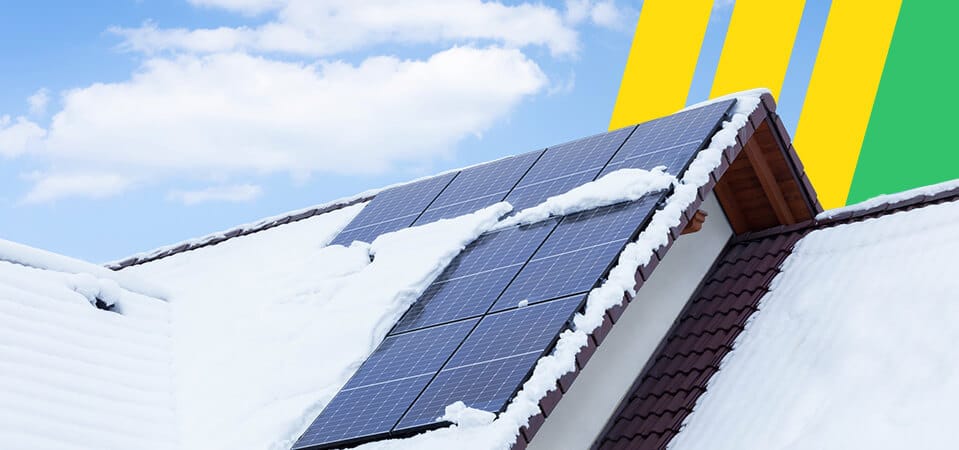
Snow presents an interesting challenge and opportunity for solar panel owners. Light snow accumulation slides off panels within a day or two, especially if they’re installed at the proper tilt angle. The dark surface of solar panels absorbs heat, which helps melt snow faster than it would on other surfaces.
Even when panels are partially covered with snow, they can still generate electricity. The exposed portions continue working, and as we mentioned, the reflective properties of snow on the ground can boost production by reflecting additional sunlight onto your panels. This albedo effect can increase energy capture by 10 to 20 percent on sunny days after a snowfall.
Heavy snow accumulation can temporarily block your panels, but this is usually a short-term issue. Most residential installations in areas with snowfall are designed with steeper tilt angles that encourage snow to slide off naturally. The lost production during these brief periods is offset by the excellent performance solar panels deliver during the rest of the winter months.
Wind, Hail, and Extreme Weather
Solar panels are built tough. They have to pass rigorous testing standards that include exposure to high winds and hail impacts. Most quality panels are certified to withstand hail up to 25 millimeters (about one inch) in diameter and wind speeds up to 56 miles per hour.
That said, extreme weather events can cause damage. Hail larger than one inch, severe windstorms, or heavy snow loads can potentially crack solar cells or damage the protective glass covering. Manufacturers know this, which is why they design panels with reinforced frames and tempered glass that can absorb impact.
Some innovative systems now include tilt-to-upright mechanisms that can position panels vertically during hail warnings, minimizing their exposed surface area and reducing the risk of damage. While most homeowners won’t need these advanced features, they demonstrate the industry’s commitment to creating weather-resistant solutions.
When you choose a reputable installer like 8MSolar and select high-quality panels, you’re getting a system engineered to survive decades of exposure to the elements. Proper installation is critical, as correctly mounted panels with adequate structural support will weather storms far better than poorly installed systems.
Lightning and Power Surges
Lightning strikes to solar panels are rare, but they can happen. The bigger risk is actually power surges from nearby lightning strikes, which can damage inverters and other electrical components.
Proper installation includes grounding systems and surge protection devices that safeguard your solar investment. These protective measures direct excess electrical energy safely into the ground, preventing damage to your panels, inverter, and home electrical system. When working with professional installers, make sure they include appropriate surge protection as part of your installation.
Dust, Soiling, and Sandstorms
In areas with low rainfall or high dust levels, accumulated dirt and debris can reduce solar panel output by 3 to 4 percent annually. This is called soiling loss, and it’s more significant in arid regions or areas near agricultural operations, construction sites, or highways.
Regular rain keeps panels clean enough for optimal performance. However, if you live in a dusty area or go through extended dry periods, occasional cleaning may be beneficial. Some panels now feature special coatings that reduce dust adhesion and make cleaning easier.
Sandstorms can reduce solar output during the event and leave behind stubborn deposits that require cleaning. If you live in an area prone to dust storms, working with an installer who understands local conditions and can recommend appropriate maintenance schedules is important.
Long-Term Impact and System Durability
Degradation from Repeated Stress
While solar panels are built to last, repeated exposure to extreme weather can cause gradual degradation. Micro-cracks in solar cells, delamination of protective layers, and corrosion of electrical connections can occur over time, particularly in systems exposed to frequent hail, high winds, or heavy snow loads.
This is normal wear and tear, and quality panels are designed to maintain at least 80 percent of their original capacity after 25 years of use. The degradation rate for premium panels is around 0.5 percent per year, meaning your system will still be producing electricity decades after installation.
Resilience Strategies and Design Considerations
Maximizing your solar system’s resilience to weather starts with good design and quality components. High-quality panels from reputable manufacturers have better weather resistance and longer lifespans. Proper structural reinforcement guarantees your mounting system can handle wind loads and snow accumulation specific to your region.
Working with experienced installers who understand local weather patterns makes a huge difference. In North Carolina, installers should account for hurricane-force winds, ice storms, and occasional hail when designing and installing your system. This includes proper flashing around roof penetrations, adequate mounting hardware, and strategic placement that minimizes exposure to the most severe weather conditions.
Maximize Solar Output from Planning to Maintenance
You can take several steps to make sure your solar panels perform optimally regardless of weather conditions. Start by choosing panels with low temperature coefficients, which will lose less efficiency during hot weather. Look for certifications that demonstrate the panels meet or exceed industry standards for wind and hail resistance.
Optimize your panel tilt angle for maximum sun exposure and weather resilience. Steeper angles help snow and debris slide off more easily, reducing maintenance needs and preventing temporary blockages. The ideal tilt angle varies by latitude, but your installer will recommend the best configuration for your location.
Make sure your installation includes surge protection and proper grounding. These electrical safeguards are your first line of defense against lightning-related damage and power surges from the grid.
Schedule any necessary cleaning during mild weather conditions. Avoid cleaning panels during heatwaves, as the thermal shock from cold water hitting hot panels can cause cracking. Early morning or late afternoon on moderate days is ideal if you need to clean your panels manually. In many cases, natural rainfall will keep your panels clean enough for peak performance.
Frequently Asked Questions
Do solar panels still work in cloudy or rainy weather?
Yes. Solar panels continue generating electricity even under cloud cover, producing 10 to 25 percent of their rated capacity depending on cloud thickness. Rain actually benefits your system by cleaning your panels and cooling them for better efficiency once the sun returns.
Can solar panels get damaged by hail or storms?
Damage is rare but possible. Certified solar panels are tested to withstand hail up to about one inch in diameter and significant wind speeds. Extreme weather events with larger hail or severe winds can potentially cause micro-cracks or other damage, but quality panels from reputable manufacturers are designed to survive decades of typical weather exposure.
Does snow hurt performance?
Light snow melts or slides off panels quickly due to their dark, heat-absorbing surface and tilted installation angle. During this time, production may be temporarily reduced. Snow on the ground reflects additional sunlight onto your panels, which can boost output once the panels are clear. Heavy snow may cause brief interruptions, but annual production in snowy climates remains strong.
Is heat good or bad for solar panels?
Heat reduces solar panel efficiency. While panels need sunlight to generate electricity, they actually perform better in cooler temperatures. Every panel has a temperature coefficient that indicates how much efficiency decreases as temperature rises. Cool, sunny days provide optimal conditions for solar energy production.
Ready for Weather-Optimized Solar?
Solar panels are remarkably resilient, engineered to deliver reliable energy production across all weather conditions. Understanding how weather affects your system helps you set realistic expectations and take steps to maximize performance throughout the year.
From the cooling benefits of winter to the extended daylight of summer, from the cleaning power of rain to the reflective boost of snow, your solar panels work with nature to provide clean, renewable energy for your home. With proper installation, quality components, and occasional maintenance, your solar system will continue producing electricity reliably for decades.
At 8MSolar, we design and install solar systems that are optimized for North Carolina’s weather conditions. Our team understands the challenges posed by hot summers, occasional ice storms, and everything in between. We use only the highest-quality panels and components, backed by comprehensive warranties and our commitment to your satisfaction.
Ready to harness the power of the sun, rain or shine? Contact 8MSolar today for your free consultation and customized quote. We’ll help you design a weather-optimized solar system that delivers reliable performance and significant savings year-round. Call us at (919) 948-6474 and start your journey toward energy independence today.