You’ve seen them on rooftops throughout your neighborhood. Maybe you’ve read about the environmental benefits or heard neighbors talk about their lower electric bills. But when it comes to making a decision for your own home, one question keeps coming back: With such a high initial cost, are solar panels worth the investment?
It’s a fair question. Installing solar panels is a major financial decision, and the internet is full of conflicting information from overly optimistic sales pitches to fear-mongering articles about hidden costs. Some sources make it sound like solar is a no-brainer for everyone, while others suggest it’s a risky gamble.
The truth lies somewhere in between, and it depends on your situation. This guide will give you a transparent, no-nonsense look at the real pros and cons of solar energy. By the end, you’ll have a clear framework to evaluate whether solar panels make sense for your home and your budget.
The Pros: 7 Benefits of Going Solar
Let’s start with the good news. Solar panels offer advantages that have driven millions of American homeowners to make the switch. These benefits go beyond feeling good about helping the environment.
Pro #1: Huge Long-Term Savings & Financial ROI
The most powerful reason to go solar is simple economics. Solar panels drastically reduce or even eliminate your monthly electric bills. Once your system is paid off, you’re generating free electricity for decades.
Most homeowners see a solar payback period of 6-10 years, depending on their location, energy usage, and available incentives. After that point, every kilowatt-hour your panels produce is money in your pocket. Over a 25-year panel lifespan, you could save $20,000 to $60,000 or more on electricity costs.
Every month you pay your utility bill, that money disappears forever. But money spent on solar panels is an investment that keeps paying dividends year after year. That’s a return on investment few other home improvements can match.
Pro #2: Increased Home Value
Solar panels aren’t just a monthly savings vehicle, they also increase your property value. Studies from Zillow show that homes with solar panels sell for 4.1% more than comparable homes without them. The National Renewable Energy Laboratory found similar results, with solar homes commanding premium prices across most markets.
What makes this even better? In most states, the increased home value from solar panels is exempt from property tax assessments. You get the benefit of a more valuable home without paying higher property taxes. And if you decide to sell, you can recoup much or all of your initial investment through the higher sale price.
Pro #3: Energy Independence from Utility Companies
There’s something deeply satisfying about generating your own power. When you go solar, you’re no longer at the mercy of utility company rate hikes and unpredictable energy costs.
Electricity rates have been climbing for decades, and there’s no sign of that trend reversing. By producing your own power, you lock in energy costs for the next 25-30 years. While your neighbors see their bills increase year after year, your costs stay stable or even decrease as you pay off your solar system.
This independence becomes more valuable during grid outages if you pair your panels with battery storage. You can keep your lights on and your refrigerator running while the rest of the neighborhood sits in the dark.
Pro #4: Powerful Tax Credits and Incentives
Many states and local utilities offer incentives. These can include state tax credits, performance-based incentives, and upfront rebates. When you stack these benefits, the real cost of going solar becomes more affordable than the sticker price suggests.

Pro #5: A Positive Environmental Impact
While financial benefits often drive the decision to go solar, the environmental advantages are equally impressive. A residential solar panel system offsets approximately 3-4 tons of carbon dioxide annually, equivalent to planting about 100 trees every year.
Over a 25-year lifespan, your solar system could prevent over 100 tons of carbon dioxide from entering the atmosphere. That’s like taking two cars off the road for 25 years. For homeowners who care about their environmental footprint, solar offers one of the most impactful changes you can make.
Pro #6: Low Maintenance & High Durability
Worried about constant repairs and maintenance? Don’t be. Modern solar panels are durable and require almost no maintenance. Most manufacturers warranty their panels for 25-30 years, and many panels continue producing power well beyond that timeframe.
Maintenance is usually limited to occasional cleaning to remove dirt, pollen, or debris, and in many climates, rain does this job naturally. There are no moving parts to break down, no filters to replace, and no tune-ups required. Once installed, your system works quietly and reliably for decades.
Pro #7: Supports Grid Stability and the Local Economy
When you go solar, you’re contributing to a more stable electrical grid. Distributed rooftop solar reduces strain on the grid during peak demand periods, when electricity is most expensive to produce and most likely to cause brownouts or blackouts.
The solar industry also creates jobs in your local community. Installation, maintenance, and support services provide good-paying jobs that can’t be outsourced. By going solar, you’re investing in your local economy as well as your own home.
The Cons: 4 Potential Downsides to Consider
Solar panels offer tremendous benefits, but they’re not perfect for every situation. Here are the challenges you should consider before making a decision.
Con #1: The Upfront Installation Cost
Let’s address the elephant in the room: solar panels require a large upfront investment. A residential system costs between $15,000 and $25,000 before incentives.
However, this challenge is far less daunting than it first appears. First, remember that 30% federal tax credit reduces your cost by thousands of dollars. Second, numerous financing options exist that allow you to go solar with $0 down. Many homeowners find that their monthly loan payment is less than their previous electric bill, meaning they start saving from day one.
It’s also worth remembering that this “cost” is really an investment. Unlike most purchases that depreciate over time, solar panels produce measurable returns through energy savings and increased home value.
Con #2: Your Roof’s Suitability Matters
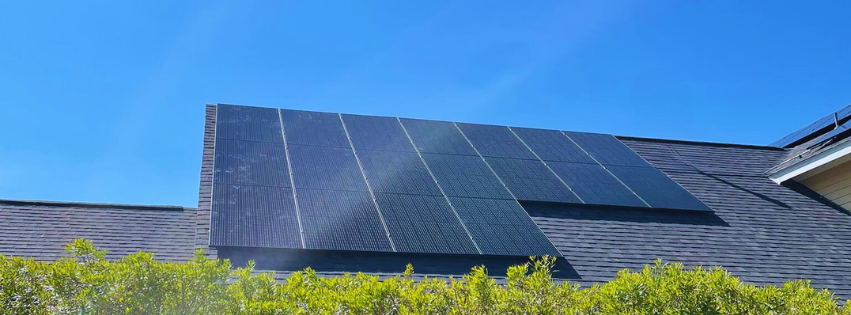
Not every roof is an ideal candidate for solar panels. Factors like roof age, material, angle, and shading can impact system efficiency and installation feasibility.
If your roof is nearing the end of its lifespan, you’ll want to replace it before installing panels. Certain roofing materials, like slate or cedar shakes, can be challenging to work with. Heavy shading from trees or nearby buildings can reduce production enough to make solar impractical.
This isn’t necessarily a dealbreaker, it just emphasizes the importance of a professional assessment. A qualified solar installer can evaluate your situation and determine whether solar makes sense for your property. In many cases, minor adjustments like tree trimming can solve shading issues.
Con #3: Energy Production Varies
Solar panels don’t produce electricity at night, and they generate less power on cloudy days. This variable production is an inherent characteristic of solar energy that you need to understand and plan for.
Fortunately, this is easily managed through grid connection and net metering. During sunny periods, your panels produce excess electricity that flows back to the grid, earning you credits. At night or during cloudy weather, you draw power from the grid using those credits. The result is seamless 24/7 power with reduced costs.
For homeowners who want complete energy independence, pairing solar panels with battery storage can provide backup power during outages and further reduce reliance on the grid.
Con #4: Finding a Reputable Installer is Key
The quality of your solar installation is just as important as the quality of the panels themselves. A poor installation can lead to roof leaks, electrical issues, underperforming systems, and warranty headaches.
Unfortunately, the rapid growth of the solar industry has attracted some less-than-reputable companies looking to make a quick buck. This makes it important to choose a certified, experienced installer with a proven track record and strong warranties.
Look for installers who are certified by the North American Board of Certified Energy Practitioners (NABCEP), have years of experience in your local market, and offer warranties on both equipment and workmanship. Don’t be swayed by the lowest price—focus on value, reliability, and long-term support.
The Verdict: So, Are Solar Panels Worth It For You?
After weighing the pros and cons, the answer for most homeowners is clear: yes, solar panels are worth it. The long-term financial benefits, combined with energy independence, environmental impact, and increased home value, far outweigh the challenges for the right candidates.
Solar panels make the most sense if you:
- Have consistently high electric bills ($100+ per month)
- Plan to stay in your home for at least 5-7 years to realize the full financial benefits
- Own a home with a reasonably sunny, structurally sound roof
- Are looking for a stable, long-term investment that protects against rising energy costs
- Care about reducing your environmental footprint
Even if you have concerns about one or two of the drawbacks, many can be reduced through proper planning, financing options, or working with the right installer.
Frequently Asked Questions
What is the biggest downside of getting solar panels?
The biggest challenge is the upfront cost. However, with financing options allowing $0 down installations, this barrier is much lower than many people assume. Most homeowners find their monthly savings meet or exceed their loan payments.
How long does it actually take for solar panels to pay for themselves?
Most homeowners see a payback period of 6-10 years, depending on factors like system size, local electricity rates, and available incentives. After this point, your panels generate essentially free electricity for another 15-20 years or more.
Do you still have an electric bill with solar panels?
Most homeowners with grid-connected solar still receive a bill from their utility, but it’s typically much smaller, often just a minimal connection fee. Some months, especially in summer, you may even have a negative balance if your panels produce more than you use.
What happens if I move before my solar panels are paid off?
Solar panels increase your home’s resale value, allowing you to recoup your investment through a higher sale price. Alternatively, many solar loans are transferable to the new homeowner, which can make your home more attractive to buyers.
Find Out if Solar is Worth It For Your Home
Determining whether solar panels are worth it ultimately comes down to your unique situation. You now have the framework to evaluate the decision based on real facts rather than hype or fear.
The best way to get a definitive answer is with real numbers specific to your home. A professional assessment can calculate your potential savings, identify any roof or shading issues, and provide a clear picture of your return on investment.
Ready to find out what solar can do for you? Schedule your free consultation with 8MSolar today. We’ll provide a personalized cost-benefit analysis for your home and answer all your questions. Whether you decide to move forward or not, you’ll have the clarity and confidence to make the right choice for your family’s future.