North Carolina has incredible solar potential, from the Blue Ridge Mountains to the coastal plains. The state ranks among the top in the nation for solar energy adoption, and with Duke Energy’s recent rate increases, more homeowners than ever are making the switch to solar power. While the decision to go solar is becoming clear, the most important step in your solar journey is choosing the right installation partner.
This guide provides a complete checklist to help North Carolina homeowners confidently select a top-tier solar installer. With solar panels representing a 25+ year investment in your home, choosing the right company is essential to your long-term satisfaction and financial returns.
Why Your Choice of Installer Matters More Than the Panels Themselves
When researching solar energy, many homeowners focus heavily on comparing panel brands and efficiency ratings. While equipment quality matters, the installer you choose has an even greater impact on your system’s long-term performance and your overall experience.
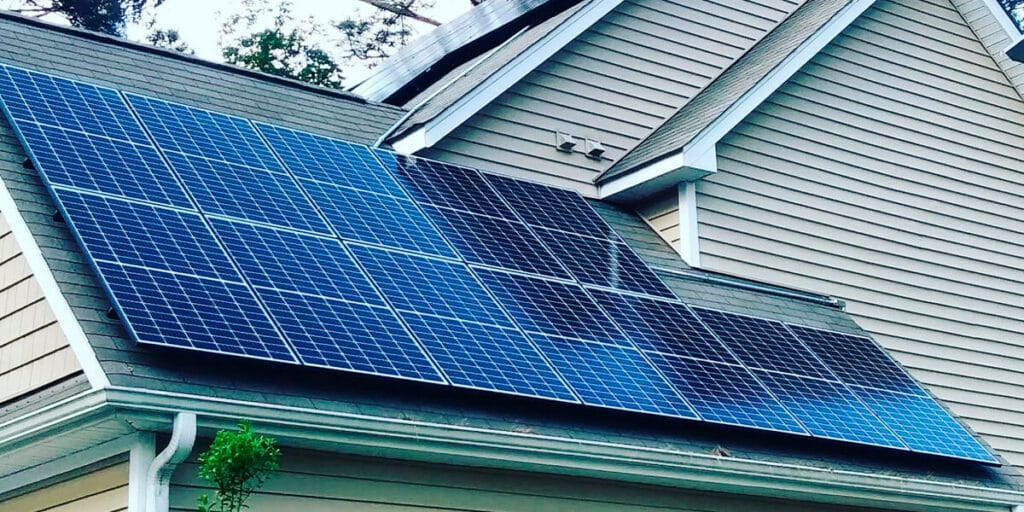
A solar system is a 25+ year investment in your home’s energy future. Expert installation guarantees that your system performs at its peak capacity for decades, protects your roof’s structural integrity, and maximizes your financial return through proper system design and energy production. Poor installation practices can lead to roof leaks, underproduction compared to projections, voided manufacturer warranties, and costly repairs down the road.
The difference between a properly installed system and a poorly installed one can mean thousands of dollars over the life of your investment. A quality installer brings expertise in electrical work, roofing integrity, local permitting requirements, and utility interconnection processes. They design systems for your home’s unique characteristics, energy usage patterns, and roof configuration. This level of customization and attention to detail can’t be replicated by companies that treat every installation as identical.
A Local NC Expert vs. a National Chain
Before you start comparing quotes, you need to make a choice about the type of company you want to work with. This decision will shape your entire solar experience, from initial consultation through decades of system operation.
National solar companies often have big marketing budgets and brand recognition. However, local North Carolina installers offer distinct advantages that matter for long-term satisfaction. Understanding these differences helps you make an informed choice about which type of company aligns with your priorities.
| Feature | Local NC Installer (like 8MSolar) | National Solar Company |
| NC Expertise | Deep knowledge of local codes, permitting, and utility policies (e.g., Duke Energy) | General knowledge; may use subcontractors unfamiliar with local nuances |
| Accountability | Direct line to owners and a reputation to protect in the community | Often involves call centers and multiple points of contact |
| Crews | In-house, highly trained local teams invested in the community | Often uses third-party, subcontracted labor with varying quality |
| Customer Service | Personalized, long-term support from a local team | Can be impersonal and slower to respond to post-installation issues |
| Pricing | Lower overhead often leads to more competitive and transparent pricing | High marketing costs can be passed on to the customer |
Local installers understand the challenges of North Carolina’s climate, from hurricane preparedness to ice storms. They navigate Duke Energy’s interconnection process regularly and maintain relationships with local permitting offices. When you need service five or ten years down the road, a local company will still be there, invested in maintaining their reputation in the community.
The 5-Step Process to Finding Your Perfect Solar Installer
Choosing a solar installer doesn’t have to be overwhelming. Follow this chronological plan to evaluate your options and make a confident decision.
Step 1: Initial Research & Building a Shortlist
Start by identifying qualified solar installers serving your area of North Carolina. This initial research phase helps you create a shortlist of three to five companies worth serious consideration.
Check for credentials that matter. The North American Board of Certified Energy Practitioners (NABCEP) certification is the gold standard in the solar industry. NABCEP-certified installers have demonstrated their knowledge through rigorous testing and ongoing education requirements. Verify that the company holds a North Carolina Unlimited Electrical License, which allows them to handle the complex electrical work involved in solar installations.
Dive into online reviews across platforms. Look at Google reviews, SolarReviews.com ratings, and Better Business Bureau profiles. Don’t just glance at the overall star rating. Read through actual customer experiences, paying attention to patterns in both positive and negative reviews. How does the company respond to complaints? Do customers praise their communication and follow-through? Are there recurring issues mentioned across multiple reviews?
Ask for local referrals from people you trust. Friends, neighbors, or community groups who have gone solar can provide honest insights about their experiences. They can tell you about the installation process, how well their system performs, and whether the company delivered on its promises. Local referrals often reveal details that don’t show up in online reviews.
Step 2: Vetting Your Top 3 Candidates
Once you’ve narrowed your list to three strong candidates, it’s time to dig deeper into their qualifications and business practices.
Verify licensing and insurance directly with each company. Request proof of general liability insurance and workers’ compensation coverage. These protections are crucial. General liability insurance protects your home if something goes wrong during installation, while workers’ compensation ensures you’re not liable if an installer is injured on your property. Reputable companies provide this documentation readily.
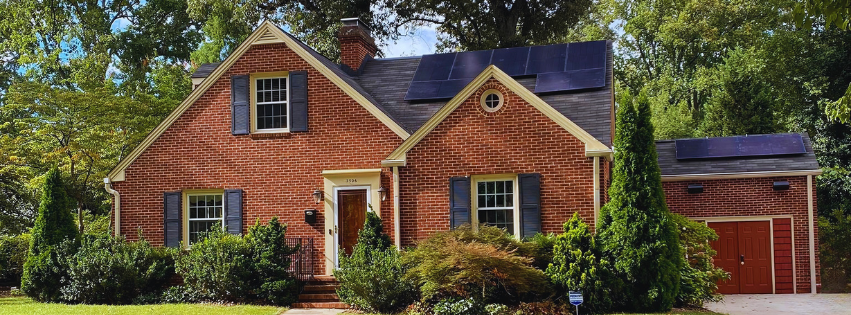
Evaluate their experience in North Carolina specifically. How many years have they been operating in the state? A company’s track record in your local market matters more than their national presence. Ask to see a gallery of local projects similar to your home. This demonstrates their experience with roof types common in your area and their ability to design systems that perform well in North Carolina’s climate.
Determine whether they use in-house teams or subcontractors for installations. Companies that employ their own installation crews maintain better quality control and consistency. When a company subcontracts installation work, you have less certainty about who will actually be working on your roof and what their training and experience level might be. In-house teams are invested in the company’s reputation and receive ongoing training on the latest installation techniques and safety protocols.
Step 3: Scrutinizing the Solar Quotes
When you receive quotes from your top candidates, evaluate them carefully. A well-prepared proposal reveals a lot about the company’s professionalism and approach to solar design.
Equipment quality should be clearly explained in the proposal. Does the company specify which panel and inverter brands they recommend? Do they explain why they’ve chosen those products for your home? Reputable installers use Tier-1 manufacturers known for quality and reliability. They should be able to discuss the performance characteristics, warranties, and expected lifespan of the equipment they’re proposing.
Warranty details require close attention because not all warranties are created equal. Solar systems usually come with three types of warranties. The manufacturer’s equipment warranty covers defects in the panels and inverters, ranging from 10 to 25 years. The performance warranty guarantees a minimum level of energy production over time, typically 25 years. Most important for your immediate concerns is the installer’s workmanship warranty, which covers the actual installation quality and any issues that arise from improper installation practices. This workmanship warranty should be at least 10 years.
Transparent pricing means you should be able to understand exactly what you’re paying for. The quote should be detailed and itemized, breaking down costs for equipment, installation labor, permitting, and any additional components. Be wary of high-pressure sales tactics or vague pricing that makes it difficult to compare quotes. If a salesperson pushes you to sign immediately with claims of expiring discounts or limited availability, that’s a red flag.
Financing options should be clearly explained if you’re not paying cash. Does the company offer and explain various options like solar loans, leases, or power purchase agreements? Each financing method has different implications for ownership, tax credits, and long-term costs. A good installer helps you understand these options without pushing you toward any particular choice.
Step 4: Red Flags to Watch Out For
Certain warning signs should make you think twice about working with an installer, regardless of how attractive their quote might seem.
Aggressive sales tactics indicate a company is more interested in closing deals than in customer satisfaction. Be cautious of “limited time offers” that pressure you to sign immediately or claims that pricing will increase dramatically if you don’t commit on the spot. Quality solar companies understand that this is a major decision and give you time to review proposals and make an informed choice.
Vague or unbelievable promises should raise concerns. Be skeptical of guarantees like “zero electric bills” made without thoroughly analyzing your energy usage data. While solar can reduce electricity costs, numerous factors affect your final bills, including your consumption patterns, net metering policies, and monthly utility fees. Honest installers provide realistic projections based on your situation rather than making blanket guarantees.
Lack of a physical local office suggests a company may not have a real, established presence in North Carolina. If you can’t find a local address or the company operates entirely out of state, consider how they’ll handle warranty service and repairs years down the road. Companies without local roots may not be around to honor their commitments.
Hesitation to provide documentation is the biggest red flag. If a company is reluctant to show proof of their license, insurance certificates, or certifications, move on to another installer. Legitimate companies maintain these credentials and provide them without hesitation.
Step 5: Making the Final Call
After completing your research and comparing proposals, it’s time to make your final decision. This choice should be based on a combination of objective criteria and your subjective impressions of each company.
Choose the installer that provides the best combination of quality, expertise, and long-term value. The lowest price quote isn’t always the best value, especially if it comes with compromises in equipment quality, warranty coverage, or installation expertise. Consider the total package each company offers.
Trust your gut feeling about each company’s professionalism and communication style. Throughout the evaluation process, which company was most responsive to your questions? Who took the time to educate you rather than just trying to close a sale? Which team made you feel most confident about their ability to deliver a quality installation? These intangible factors may predict your satisfaction with the long-term relationship.
Frequently Asked Questions
How many solar installers are in North Carolina?
North Carolina has dozens of solar installation companies, ranging from small local businesses to large national chains with regional offices. This growing market reflects the state’s commitment to renewable energy and the increasing demand from homeowners seeking energy independence. With so many options available, following a systematic selection process helps you identify the companies with the expertise and track record to deliver a quality installation.
How much do solar panels cost in NC?
The cost of solar panel systems in North Carolina ranges from $15,000 to $30,000 before incentives, depending on system size and equipment quality. Additional state and utility incentives may reduce costs. The best way to get an accurate price is to request quotes from qualified installers who can design a system for your home’s energy needs and roof characteristics.
What is the average payback period for solar panels in NC?
Most North Carolina homeowners see a return on their solar investment within 7 to 10 years. This payback period depends on several factors, including your system size, electricity usage, available incentives, and financing method. With Duke Energy’s rising electricity rates, many homeowners are seeing faster payback periods as their savings increase. After the payback period, you enjoy free electricity for the remaining 15+ years of your system’s productive life.
Is 8MSolar only for homeowners, or do you handle businesses too?
8MSolar serves both residential and commercial clients throughout North Carolina. Our experience spans single-family homes, multi-family developments, commercial buildings, nonprofit organizations, and agricultural operations. Whether you’re a homeowner looking to reduce electricity bills or a business owner seeking to improve your bottom line and environmental footprint, we have the expertise to design and install a solar system tailored to your needs.
Why 8MSolar is the Trusted Choice for North Carolina
Choosing the right solar installer comes down to finding a company that excels in the areas that matter most: deep local expertise, professional certifications, quality installation practices, excellent customer service, and transparent business practices.
8MSolar checks all these boxes as a locally-owned North Carolina company with extensive experience throughout the state. Our team holds the industry’s top certifications, including NABCEP credentials and a North Carolina Unlimited Electrical License. We use dedicated in-house installation crews rather than subcontractors, ensuring consistent quality on every project. Our customer testimonials reflect our commitment to clear communication, quality workmanship, and long-term support.
We believe that going solar should be a partnership built on trust, transparency, and shared goals for energy independence. From your initial consultation through decades of system operation, we’re here to ensure your solar investment delivers the performance and savings you expect.
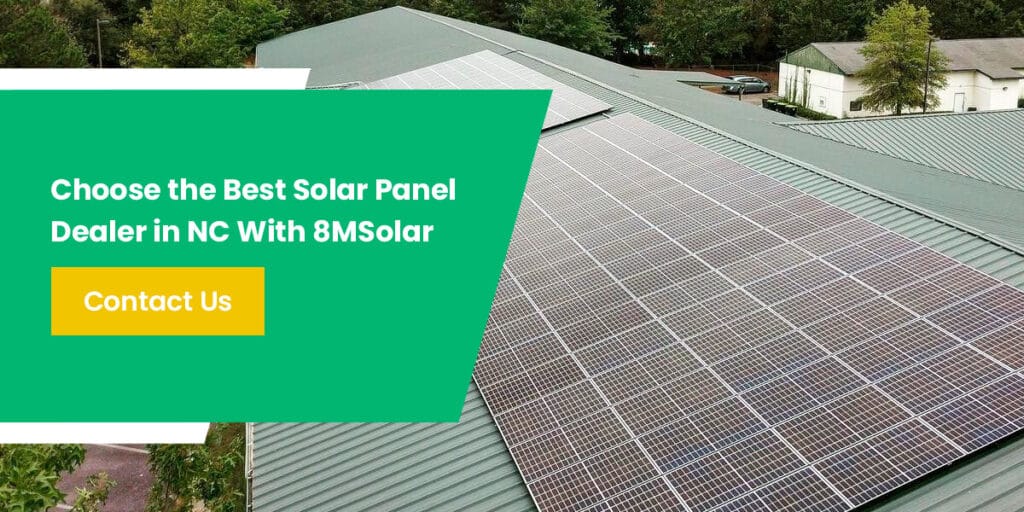
If you’re ready to partner with a local North Carolina expert dedicated to quality and customer satisfaction, 8MSolar is here to help. Contact us today to schedule your free, no-pressure solar consultation and receive a comprehensive proposal tailored to your home. Let’s work together to make your transition to clean, affordable solar energy a success.