Selecting the right solar panels for your property is about more than just finding the cheapest option. The size of your solar panels directly impacts how much energy your system can produce, how many panels you’ll need, and whether your roof can support the installation. Understanding solar panel dimensions, cell configurations, and capacity ratings helps you make an informed decision that maximizes your investment in clean energy.
Whether you’re a homeowner looking to reduce your electricity bills or a business owner seeking energy independence, this guide will walk you through everything you need to know about solar panel sizing. We’ll explain the standard dimensions you’ll encounter, how different panel sizes affect performance, and how to calculate the right system size for your energy needs.
What Determines a Solar Panel’s Size?
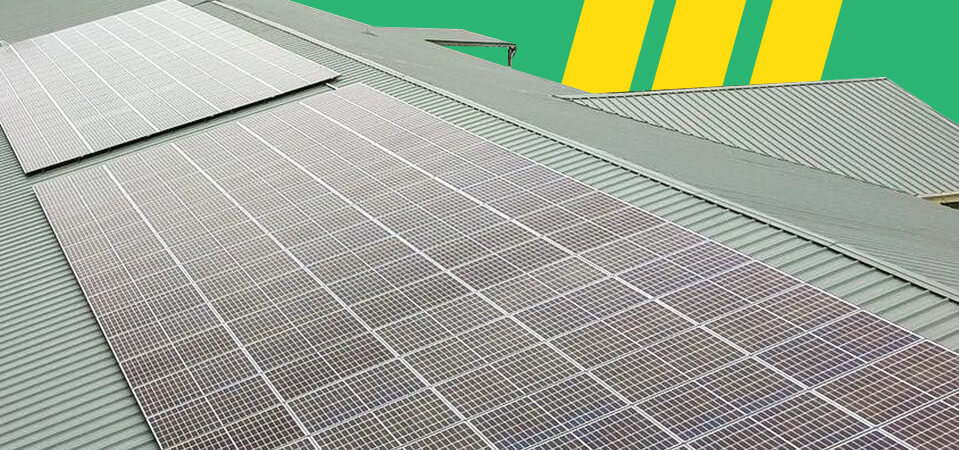
Solar panels are made up of individual photovoltaic cells that convert sunlight into electricity. These cells are arranged in a grid pattern, and the number of cells in a panel determines its physical size and power output. The most common configurations you’ll encounter are 60-cell panels, 72-cell panels, and newer half-cut cell designs.
Each solar cell measures about 6 inches square, though dimensions can vary slightly between manufacturers. When these cells are arranged into panels and surrounded by a protective frame, glass, and backing materials, you get the standard solar panel dimensions used in residential and commercial installations.
The relationship between panel size and energy output is straightforward: more cells generally mean more power generation. A larger panel with more cells can produce more electricity from the same amount of sunlight compared to a smaller panel. Bigger isn’t always better. The right solar panel size depends on your available roof space, energy consumption, and installation requirements.
Standard Residential Panels
Residential solar installations usually use 60-cell panels, which have become the industry standard for home energy systems. These panels measure approximately 65 inches by 39 inches, or roughly 5.4 feet by 3.25 feet. At this size, each panel weighs between 40 and 50 pounds, making them manageable for rooftop installation while still providing enough power output.
Modern 60-cell residential panels produce 400 watts or more, with efficiency ratings ranging from 19% to 22%. Efficiency refers to how much of the sunlight hitting the panel gets converted into usable electricity. Higher efficiency panels generate more power in the same amount of space, which can be valuable if your roof area is limited.
Different manufacturers produce panels with slight variations in dimensions and specifications. For example, panels from Q Cells, REC Group, and Panasonic may differ by an inch or two in length or width, and their wattage outputs can range from 380W to 440W. These variations are generally minor and won’t impact your system design, but it’s worth confirming exact specifications when planning your installation.
Standard Commercial Panels
Commercial solar installations often use 72-cell panels, which are larger than their residential counterparts. These panels measure approximately 80 inches by 40 inches, or about 6.5 feet by 3 feet. Despite their larger size, they weigh around 50 pounds, only slightly heavier than 60-cell panels thanks to advances in materials and manufacturing.
The additional cells in commercial panels allow for higher power output, ranging from 400 to 580 watts per panel. Efficiency ratings for 72-cell panels fall between 18% and 21%, comparable to residential panels. The higher wattage capacity makes these panels ideal for businesses with large roof areas or ground-mounted systems where space is less constrained.
Commercial panels are designed to maximize energy production for businesses, farms, and industrial facilities. The larger size means you can generate more power with fewer total panels, reducing installation complexity and balance-of-system costs. However, residential roofs can sometimes struggle to accommodate the larger dimensions, which is why 60-cell panels remain the standard for home installations.
Panels with Half-Cut Cells
Half-cut cell technology is a big advancement in solar panel design. Instead of using standard-size cells, manufacturers cut each cell in half, creating panels with 120 cells (for residential-size panels) or 144 cells (for commercial-size panels). Despite doubling the cell count, the physical dimensions remain nearly identical to standard 60-cell and 72-cell panels.
The main benefit of half-cut cells is increased efficiency and reduced power loss from shading. When a standard cell is partially shaded, the entire cell’s output drops. With half-cut cells, only the affected half-cells lose production, while the rest of the panel continues generating power normally. This design also reduces electrical resistance within the panel, improving overall efficiency.
Half-cut panels achieve efficiency ratings 2-3% higher than comparable standard panels, and they perform better in high-temperature conditions. The improved shading tolerance makes them valuable for installations where trees, chimneys, or other obstructions might cast shadows across your roof during parts of the day.
How to Determine How Many Panels You Need
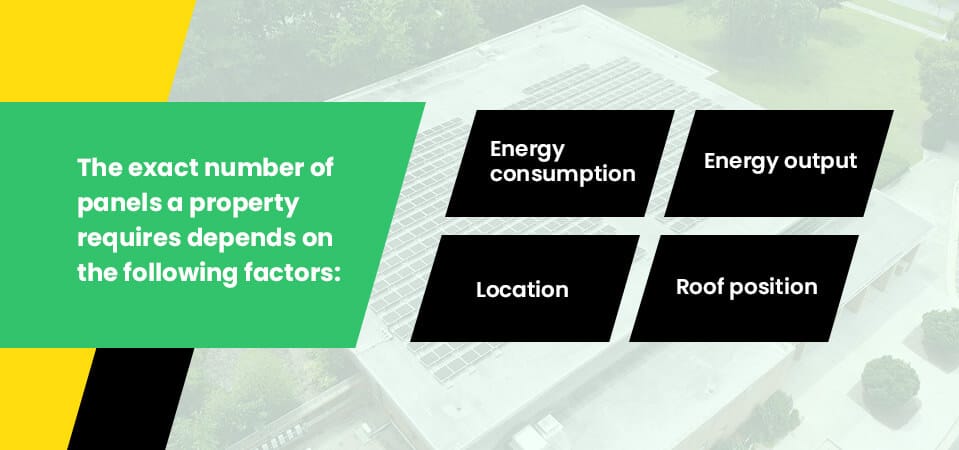
Calculating the right number of solar panels for your property involves several factors beyond panel size. You need to consider your annual energy consumption, the power output of your chosen panels, your available roof space and its orientation, and your location’s average sunlight exposure.
Start by examining your electricity bills to determine your average monthly and annual energy usage, measured in kilowatt-hours. For an average American home using about 10,500 kWh per year, you would need approximately 15 to 19 solar panels, assuming each panel produces 400 watts and your location receives average sunlight. Homes with higher energy consumption or those in cloudier regions may require more panels to meet their needs.
Your roof’s size and orientation play an important role in system design. South-facing roofs in North Carolina receive the most direct sunlight throughout the day, maximizing each panel’s energy production. East and west-facing installations can still work effectively but may require additional panels to compensate for reduced sun exposure. North-facing roofs are generally not recommended for solar installations in our region.
Location greatly impacts solar panel performance. North Carolina enjoys excellent solar resources, with ample sunshine year-round. However, your site conditions matter. Properties with tree coverage or buildings that cast shadows will produce less energy than unobstructed installations, potentially requiring additional panels or strategic placement to maintain desired output levels.
Roof Considerations
Before installing solar panels, you need to assess whether your roof can support the system’s weight. Each panel weighs approximately 40 to 50 pounds, and a residential system with 15 to 20 panels would add 700 to 1,000 pounds to your roof structure. While this may sound like a lot, most modern roofs are designed to handle this additional weight without issue.
The condition of your roof is equally important. If your roof is approaching the end of its lifespan, it makes sense to replace it before installing solar panels. Removing and reinstalling a solar array to replace roofing materials adds unnecessary expense. Most solar panels come with 25-year warranties, so your roof should have at least that much life remaining to maximize your investment.
For homes with older roofs or structural concerns, ground-mounted systems offer an alternative. These installations place panels on racks installed in your yard, completely avoiding any roof-related issues. Ground-mounted systems can also be easier to access for maintenance and can be positioned at the optimal angle for maximum sun exposure, though they require more open land space.
Other Panel Considerations
Panel size is just one factor in choosing the right solar system. Efficiency ratings determine how much electricity each panel can produce from available sunlight. Higher efficiency panels cost more upfront but generate more power per square foot, which can be worthwhile if your roof space is limited or if you want to minimize the number of panels needed.
Power output varies between panels and manufacturers. While 400-watt panels have become standard, some premium models produce 440 watts or more. Choosing higher-wattage panels means you need fewer total panels to reach your energy goals, reducing installation labor costs and simplifying your system design.
Brand reliability and manufacturer warranties should factor heavily into your decision. Companies like Q Cells, REC Group, and Panasonic have earned strong reputations for quality and customer support. Look for panels with 25-year power output warranties guaranteeing at least 85-90% production after 25 years, and work with installers who have established relationships with reputable manufacturers.
Working with a trusted solar installer makes the entire process easier and guarantees you get a system properly sized for your needs. Professional installers assess your roof structure, energy consumption patterns, and site conditions to design a system that maximizes production and value. At 8MSolar, our team of engineers and project managers brings decades of combined experience to every installation, ensuring your solar panels are correctly sized and positioned.
Frequently Asked Questions
What is the difference between a 60-cell and 72-cell panel?
The difference is size and power output. 60-cell panels measure approximately 5.4 feet by 3.25 feet and are designed for residential installations. They typically produce 400-440 watts. 72-cell panels are larger at about 6.5 feet by 3 feet and are commonly used in commercial applications. They generate 400-580 watts due to their additional cells. Both types perform similarly in terms of efficiency, but 72-cell panels produce more total power because of their larger size.
Can I mix panel sizes in one system?
While technically possible, mixing different panel sizes in a single system is generally not recommended. Different panels have different electrical characteristics, and combining them can reduce overall system efficiency and complicate installation. Mixing panels can also create issues with warranties and monitoring. The best practice is to use identical panels throughout your installation to ensure consistent performance and simplified maintenance.
How much space do I need for a solar panel system?
A residential solar panel system requires approximately 300 to 400 square feet of roof space. Since each 60-cell panel occupies about 18 square feet, a 15-panel system would need around 270 square feet of usable space, plus additional clearance for mounting hardware and roof access. Commercial installations using 72-cell panels require slightly more space per panel, approximately 22 square feet each. Keep in mind that roof obstructions like chimneys, vents, and skylights reduce available space, so the total roof area should be larger than the minimum required for panels alone.
Do panel sizes affect efficiency or performance?
Panel size itself doesn’t directly determine efficiency, but it does affect total power output. A larger panel with more cells produces more electricity, but the efficiency percentage depends on the quality of the cells and manufacturing process. A smaller, high-efficiency panel can sometimes outperform a larger, lower-efficiency panel in terms of power production per square foot. What matters most is finding the right balance between panel size, efficiency, and your available installation space to maximize energy production for your specific situation.
Find the Perfect Solar Panel Size for Your Property
Understanding solar panel dimensions and specifications helps you make an informed decision about your solar installation. The right panel size depends on your energy needs, available space, roof condition, and long-term goals for energy independence. Whether you choose standard 60-cell residential panels, larger commercial panels, or advanced half-cut cell designs, the key is working with experienced professionals who can design a system optimized for your property.
At 8MSolar, we’ve spent over two decades helping homeowners and businesses across North Carolina transition to reliable solar energy. Our team of professional engineers and certified installers takes pride in designing custom systems that maximize production while respecting your budget and aesthetic preferences. We’re hardware agnostic, which means we can install any make and model of panels, allowing us to match you with the perfect equipment for your unique situation.
Ready to explore solar panel options for your home or business? Schedule a free consultation with 8MSolar today. We’ll assess your property, review your energy consumption, and provide a detailed proposal showing exactly how many panels you need, what size works best, and how much you can save. Contact us at (919) 948-6474 or visit our website to take the first step toward energy independence.