Choosing a solar panel company is one of the most important decisions you’ll make when transitioning to renewable energy. A solar installation is a big financial investment, costing tens of thousands of dollars, and the quality of that installation will affect your home’s energy production and value for decades to come. Yet many homeowners rush into contracts with the first company that knocks on their door or offers the lowest price, only to discover later that cutting corners on installation quality leads to expensive problems down the road.
The solar industry has grown quickly in recent years, and while this expansion has brought more options to consumers, it has also introduced challenges. Not all solar companies operate with the same level of expertise or commitment to quality. Some rely on commission-driven sales teams that prioritize quick deals over customer education. Others subcontract installations to unlicensed workers or use outdated equipment. These shortcuts can result in underperforming systems, safety hazards, voided warranties, or costly repairs that negate the financial benefits of going solar.
This guide will walk you through everything you need to know to hire the best solar panel company for your home or business. You’ll learn which certifications and licenses matter most, how to evaluate a company’s experience and reputation, what insurance coverage protects you, and how to identify red flags before signing a contract. Whether you’re a homeowner in North Carolina looking to reduce your utility bills or a business owner seeking to invest in clean energy, understanding these criteria will help you make an informed decision and make sure your solar project delivers maximum value for years to come.
Why Choosing the Right Solar Contractor Matters
Protect Your Investment
A residential solar installation costs between $15,000 and $30,000, depending on system size and equipment quality. For commercial projects, that investment can reach six figures or more. While these upfront costs may seem large, solar panels pay for themselves over time through reduced electricity bills and increased property value. The average homeowner sees a return on investment within 7 to 12 years, after which the system generates free electricity for another 15 to 20 years.
These financial benefits only materialize when your system is designed and installed correctly. Poor installation practices can reduce energy production by 20% or more, extending your payback period and cutting into your long-term savings. Improperly installed panels may develop leaks that damage your roof, create electrical hazards that require expensive repairs, or fail to meet local building codes, forcing you to pay for corrections out of pocket. Some homeowners have discovered that their systems were installed with inferior components or improper wiring, leading to premature equipment failure and voided manufacturer warranties.
Choosing an experienced, reputable solar contractor protects your investment by ensuring your system is designed for performance and built to last. A quality installation maximizes energy production, minimizes maintenance needs, and preserves the manufacturer warranties that protect you from unexpected expenses.
Ensure Safety and Compliance
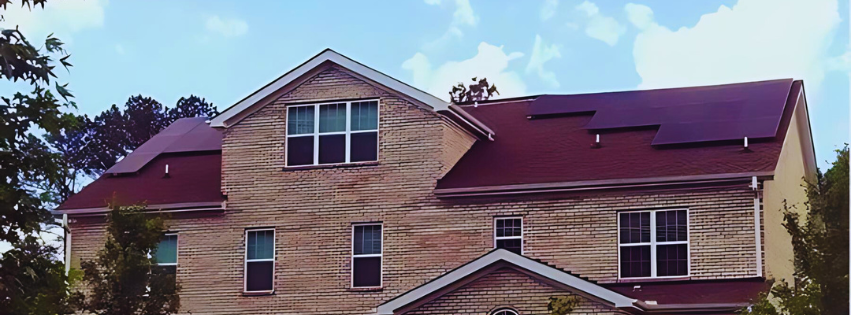
Solar panel installation involves complex electrical work that must comply with national and local building codes. These regulations exist to protect homeowners from electrical fires, electrocution, and structural damage. Licensed solar contractors understand these requirements and follow proper procedures for roof mounting, electrical connections, and system grounding. They know how to safely integrate solar panels with your existing electrical system and make sure all work meets inspection standards.
Unlicensed or inexperienced installers may skip safety steps to save time or cut costs. Common mistakes include inadequate grounding that increases fire risk, improper roof penetrations that cause water damage, and electrical connections that create shock hazards. These errors put your family, your property, and the workers themselves in danger. In some cases, improperly installed systems have caused house fires or roof collapses that resulted in total losses.
Working with a licensed, insured solar contractor gives you peace of mind that your installation meets all safety standards and building codes. If something does go wrong, their insurance coverage protects you from liability and ensures repairs are made correctly at no additional cost to you.
Criteria for Hiring a Solar Panel Company
Licensing and Certifications
Professional certifications and licenses demonstrate that a solar company has the technical knowledge and experience to design and install high-quality systems. The most important credential to look for is NABCEP (North American Board of Certified Energy Practitioners) certification. This nationally recognized certification requires rigorous training, hands-on experience, and passing an exam covering solar design, installation, and maintenance. NABCEP-certified professionals stay current with the latest industry standards and best practices through ongoing education requirements.
In North Carolina, solar contractors should also hold a state electrical contractor license, as solar installations involve substantial electrical work. Companies that employ Professional Engineers (PE) with expertise in electrical or structural engineering provide an additional layer of quality assurance. These licensed engineers can design systems that maximize energy production while ensuring structural integrity and code compliance.
Be cautious of companies that rely solely on unlicensed sales representatives or subcontract installation work to uncertified crews. These arrangements can result in inconsistent quality and leave you with limited recourse if problems arise. When evaluating solar companies, ask to see proof of certifications and licenses, and verify that the professionals who will design and install your system hold the appropriate credentials.
Experience and Track Record
Experience matters in solar installation. Companies that have been in business for many years have encountered and solved a wide range of installation challenges. They understand local permitting requirements, know which equipment performs best in your climate, and have established relationships with utility companies and building inspectors that streamline the installation process.
Ask contractors how long they’ve been installing solar systems and how many projects they’ve completed in your area. Companies with hundreds or thousands of successful installations are more likely to deliver quality results than newer firms with limited track records. Request references from recent customers and take the time to contact them. Ask about their overall experience, whether the system performs as promised, and how the company handled any issues that arose.
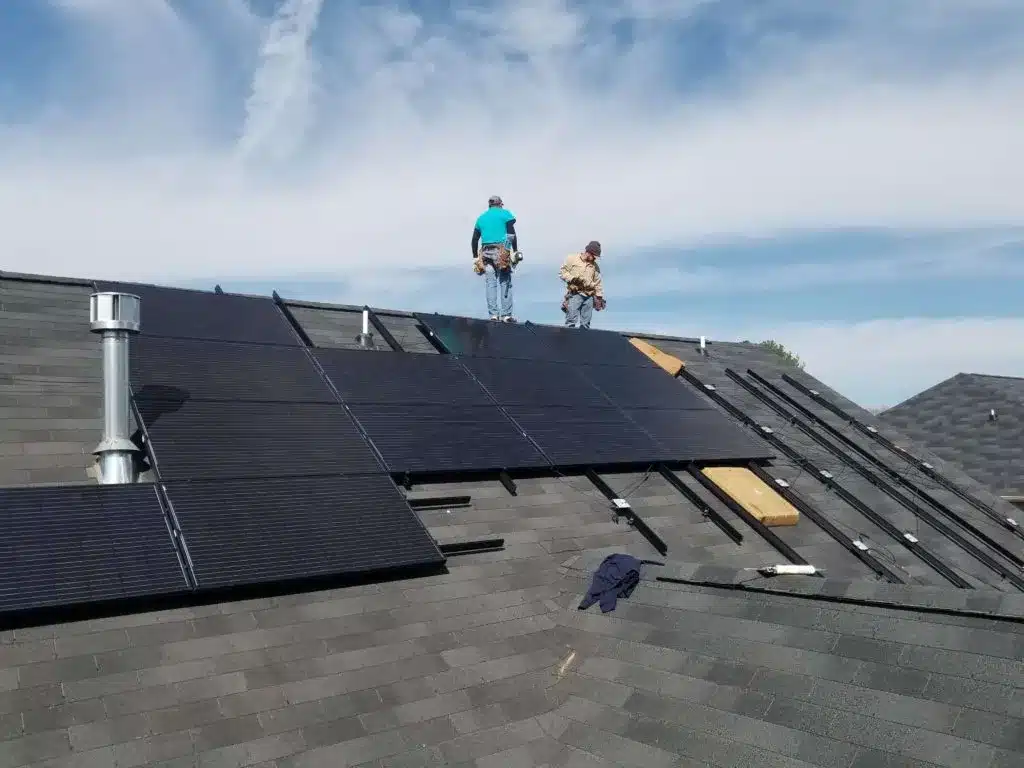
Also inquire about the company’s approach to installation. Do they employ their own crews, or do they subcontract the work? In-house installation teams typically deliver more consistent quality because they work directly for the company and receive ongoing training and supervision. Subcontracted crews may not have the same level of expertise or accountability, which can lead to installation errors and service problems.
Reputation and Customer Reviews
A company’s reputation provides valuable insight into their reliability, customer service, and quality of work. Start by researching online reviews on platforms like Google, Better Business Bureau, and solar-specific review sites. Look for patterns in customer feedback. Do reviewers praise the company’s professionalism, communication, and installation quality? Or do complaints about poor workmanship, missed deadlines, or unresponsive service appear frequently?
Pay attention to how companies respond to negative reviews. Reputable contractors address concerns professionally and work to resolve issues, while less reliable companies may ignore complaints or respond defensively. Also consider asking for references directly from the company. Speaking with past customers gives you an opportunity to ask specific questions about their experience and see completed installations firsthand.
Red flags to watch for include high-pressure sales tactics, promises that sound too good to be true, and companies that push you to sign contracts immediately without giving you time to review the details. Legitimate solar companies will provide detailed proposals, answer all your questions, and give you space to make an informed decision. Avoid contractors who rely on commission-only sales representatives, as these individuals may prioritize closing deals over matching you with the right system for your needs.
Insurance Coverage
Proper insurance coverage protects you and the installation crew during your solar project. At a minimum, solar contractors should carry general liability insurance and workers’ compensation coverage. General liability insurance covers property damage or injuries that occur during installation, such as damage to your roof or landscaping. Workers’ compensation protects you from liability if an installer is injured while working on your property.
Before hiring a contractor, request proof of current insurance and verify coverage amounts. Some homeowners have faced financial disaster when uninsured installers damaged their property or workers were injured on site, leaving the homeowner liable for medical bills and repairs. Reputable companies will readily provide certificates of insurance and welcome your due diligence.
Home and Electrical Layout Expertise
Every home is unique, with different roof orientations, shading patterns, electrical panel configurations, and energy needs. The best solar companies employ in-house engineers and designers who can evaluate your specific situation and create a customized system that maximizes performance. These professionals should assess your property in person, measure roof angles, identify shading issues, and review your electrical panel to make sure it can accommodate the solar system.
Be wary of companies that offer cookie-cutter solutions without conducting a thorough site evaluation. A one-size-fits-all approach often results in undersized or poorly configured systems that fail to deliver the energy savings you expect. Look for contractors whose sales and engineering teams work together to ensure proposed designs are technically sound and aligned with your goals.
Quotes and Pricing Transparency
Obtaining multiple quotes from different solar companies helps you understand market pricing and compare the value each contractor offers. The lowest bid isn’t always the best choice. Some companies cut prices by using inferior equipment, employing unlicensed installers, or excluding important services like ongoing maintenance and warranty support.
When reviewing quotes, make sure each proposal includes information about equipment brands and models, warranty coverage, estimated energy production, and the full scope of work. Ask what’s included in the price. Does the quote cover permitting, inspections, utility interconnection, and system monitoring? Will the company help you apply for available incentives and rebates? Understanding what you’re paying for allows you to make fair comparisons and avoid hidden costs down the road.
What Sets 8MSolar Apart
Certified Engineers and PE Oversight
At 8MSolar, every solar project is designed and overseen by NABCEP-certified engineers who hold Professional Engineering licenses. This level of expertise ensures your system is engineered for maximum performance, safety, and durability. Our team stays current with the latest advances in solar technology and building code requirements, so you benefit from the most efficient and reliable designs available. Unlike companies that rely on templates or unlicensed designers, we create custom solutions tailored to your property’s characteristics and your energy needs.
Dedicated Project Managers
Quality installation requires coordination among multiple teams, from permitting and design to construction and inspection. That’s why we assign a project manager to every customer. Your project manager serves as your single point of contact throughout the installation process, keeping you informed at every stage and ensuring work proceeds on schedule. They coordinate with our installation crews, handle utility interconnection, and address any questions or concerns that arise. This hands-on approach guarantees consistent quality and a smooth, stress-free experience from start to finish.
Cost Savings and Incentives Support
8MSolar’s business model allows us to offer competitive pricing without sacrificing quality. On average, our customers save 10% compared to quotes from other solar companies in North Carolina. We achieve these savings through efficient project management, strong relationships with equipment suppliers, and our commitment to eliminating unnecessary overhead costs.
We also help you maximize available financial incentives. Many North Carolina residents qualify for state and local rebates, including Duke Energy’s PowerPair Solar and Battery Incentive program. Our team will guide you through the application process for all relevant incentives, ensuring you receive every dollar you’re entitled to.
Equipment Quality and Warranties
We exclusively use premium solar panels and equipment from leading manufacturers known for reliability and performance. Our solar panels come with a 25-year warranty that guarantees at least 92% power output in year 25, one of the strongest warranties in the industry. This long-term performance guarantee gives you confidence that your system will continue generating clean energy and reducing your utility bills for decades.
We also provide ongoing maintenance and monitoring services to keep your system operating at peak efficiency. If any issues arise, our service team responds quickly to diagnose and resolve problems, minimizing downtime and protecting your investment.
Questions to Ask Before Hiring a Solar Company
Before signing a contract with any solar installer, ask these important questions to evaluate their qualifications and ensure you’re making the right choice:
Experience with local permitting and inspections: How familiar are you with permitting requirements in my city or county? How long does the permitting process typically take, and will you handle all paperwork and inspections?
Subcontracting versus in-house installation: Do you employ your own installation crews, or do you subcontract the work? If you use subcontractors, how do you ensure quality control and accountability?
Maintenance and warranty services: What ongoing maintenance is required for my system? Do you offer monitoring and maintenance services? How do I contact you if something goes wrong, and what’s your typical response time?
Financing options and rebate support: What financing options do you offer? Will you help me apply for state rebates and utility incentives? How long does it take to receive these incentives?
Timeline for installation: How long will it take from contract signing to system activation? What factors could delay the project, and how do you communicate schedule changes?
Benefits of Choosing a Top Solar Contractor
When you hire a reputable solar company, you gain benefits that go beyond the installation. Professional contractors complete projects on schedule with minimal disruption to your daily life. They handle all coordination with permitting offices and utility companies, sparing you the hassle of navigating complex bureaucracies. Quality installations maximize your system’s energy production, ensuring you achieve the utility bill savings and return on investment you planned for.
Safety and compliance are guaranteed when licensed professionals design and install your system. You won’t face code violations, failed inspections, or safety hazards that require expensive corrections. And with warranties and responsive service, you have peace of mind knowing any future issues will be resolved quickly and at no additional cost.
Most importantly, a well-installed solar system provides reliable, clean energy for 25 years or more, reducing your carbon footprint and protecting you from rising electricity rates. These long-term benefits make choosing the right contractor one of the smartest investments you can make.
Frequently Asked Questions
How do I verify a solar company’s licenses and certifications?
Ask the company to provide copies of licenses and certifications, including NABCEP credentials and state contractor licenses. You can verify these credentials by contacting the issuing organizations directly or checking their online databases. For North Carolina contractors, the state Licensing Board for General Contractors maintains public records you can search.
What makes 8MSolar different from other NC solar companies?
8MSolar stands out through our commitment to engineering excellence, transparent pricing, and personalized service. Our NABCEP-certified engineers and licensed PEs design every system for maximum performance. We employ our own installation teams rather than subcontractors, ensuring consistent quality. Our dedicated project managers provide hands-on oversight throughout your project, and we offer industry-leading warranties backed by responsive service and maintenance support.
How many quotes should I get before hiring a contractor?
We recommend obtaining at least three quotes from reputable solar companies. This allows you to compare pricing, equipment options, and service offerings to ensure you’re getting fair value. However, don’t make your decision based solely on price. Consider each company’s qualifications, experience, warranty coverage, and customer reviews when making your final choice.
Can 8MSolar handle large commercial installations?
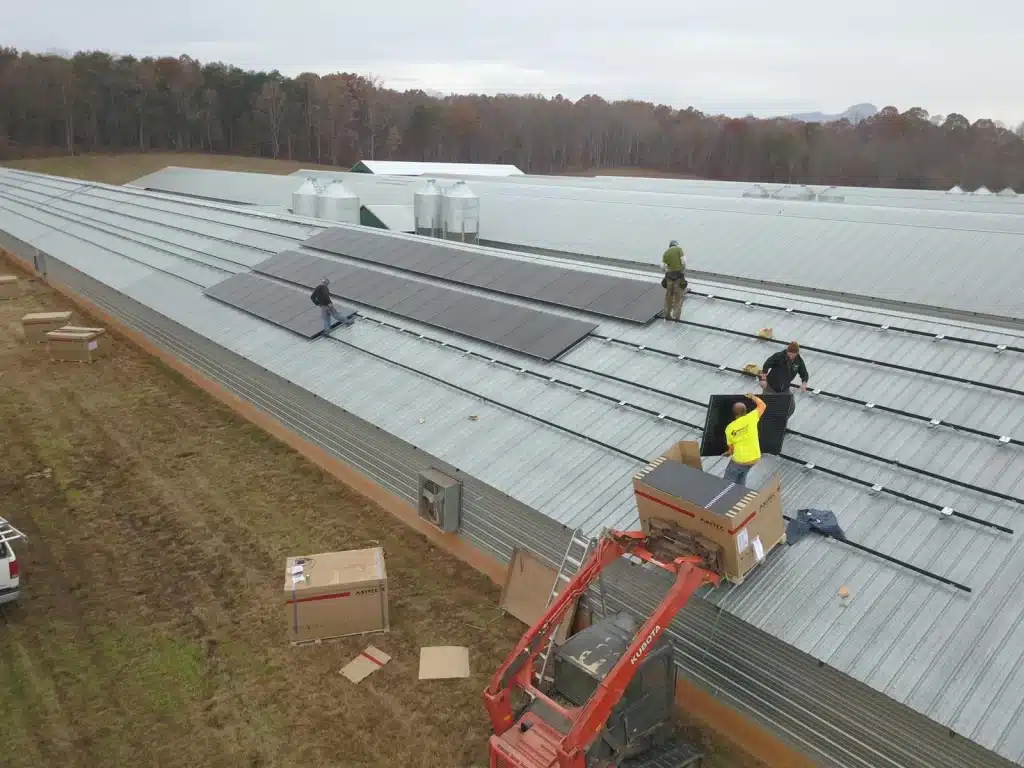
Yes, 8MSolar has extensive experience designing and installing solar systems for businesses of all sizes, from small retail locations to large industrial facilities. Our engineers can evaluate your commercial property’s energy needs and create a custom solution that maximizes your return on investment while qualifying for business-focused incentives and tax benefits.
What should I look for in a solar system warranty?
Strong warranties cover both equipment and workmanship for extended periods. Solar panel warranties should guarantee power output for 25 years, maintaining at least 80% to 92% of original capacity. Inverter warranties usually span 10 to 12 years. Look for comprehensive workmanship warranties that cover installation-related issues. Make sure the company will still be in business to honor these warranties by choosing established contractors with proven track records.
Partner with 8MSolar for Your Solar Installation
Choosing a licensed, experienced, and insured solar contractor is essential to protecting your investment and ensuring your system delivers the energy savings and environmental benefits you expect. 8MSolar brings over two decades of solar expertise to every project, backed by NABCEP certifications, Professional Engineering oversight, and a commitment to customer satisfaction that sets us apart from other North Carolina solar companies.
Our dedicated project managers guide you through every step of the installation process, from initial design to final inspection. We use only premium equipment with industry-leading warranties and offer cost-competitive pricing that typically saves customers 10% or more compared to other local installers. Most importantly, we stand behind our work with responsive service and maintenance support that gives you peace of mind for years to come.
If you’re ready to start your solar journey with a trusted partner who puts quality and customer satisfaction first, contact 8MSolar today for a free consultation. Our team will evaluate your property, answer all your questions, and provide a detailed proposal customized to your energy needs and budget. Let us show you why homeowners and businesses across North Carolina trust 8MSolar for their solar installations.