In recent years, there has been a significant shift towards embracing renewable energy sources to mitigate climate change and reduce reliance on fossil fuels. Among these, solar power stands out for its clean and abundant energy potential, accessible to both individuals and businesses. As the world grapples with the urgent need for sustainable energy practices, solar power’s role becomes increasingly pivotal.
Solar power represents not just a technological advancement, but an important shift in energy generation. By harnessing the sun’s power, we can move away from finite and environmentally damaging resources towards a sustainable future. However, the effectiveness of solar power relies on the choices we make regarding the technology we use to capture and convert sunlight into usable energy.

Making informed decisions when selecting solar panels is crucial to maximizing benefits and minimizing environmental impact. Whether for residential rooftops or large-scale solar farms, panel efficiency and sustainability are key. As individuals and businesses start on their solar journey, careful consideration of factors such as energy needs, budget, and environmental values is essential. In the following sections, we will explore the top five factors guiding panel selection, empowering you to make choices that benefit your bottom line and contribute to a cleaner, more sustainable future.
Table of Contents
- 1. Efficiency Matters
- 2. Durability and Warranty
- 3. Cost vs. Quality
- 4. Compatibility and Installation
- 5. Technology, Innovation, and Environmental Impact
- 6. Panel Degradation Rate and Long-Term Performance
- 7. Inverter and Balance-of-System Quality
- 8. Installer Experience and Professional Certifications
- 9. Performance in Local Climate and Weather Conditions
- 10. Monitoring Capabilities and Ongoing System Support
- Choosing Solar Panels Wisely
1. Efficiency Matters
When you’re picking out solar panels, one big thing to consider is efficiency. Efficiency measures how well a solar panel turns sunlight into electricity. The higher the efficiency, the more electricity the panel can produce from the sunlight it captures. This means that higher efficiency panels can give you more energy over time.
Efficiency is super important because it affects how much money you can save with solar power. Panels with better efficiency can make more electricity using the same amount of sunlight. So, you might need fewer panels to get the same amount of energy. This not only saves you money upfront by needing fewer panels, but it also means you can save more money on your electricity bills in the long run.
Plus, choosing high-efficiency panels is good for the environment too. They use fewer materials to make the same amount of energy, which means less waste and fewer greenhouse gas emissions. So, by going for efficient solar panels, you’re not only saving money and getting more energy but also doing your part to help the planet.
2. Durability and Warranty
When you’re looking into solar panels, it’s important to think about how durable they are and what kind of warranty they come with. Durability means how well the panels can withstand different weather conditions and how long they can keep producing electricity. Factors like weather resistance and lifespan play a big role in understanding how reliable the panels will be over time. You want panels that can handle everything from scorching heat to heavy rain or snow without breaking down.
The warranty that comes with your solar panels is like a safety net. It’s a promise from the manufacturer that they’ll fix or replace the panels if something goes wrong within a certain period. Checking the warranty coverage is essential because it tells you how protected you are if any issues arise. A good warranty gives you peace of mind and shows that the manufacturer stands behind the quality of their product. So, when you’re choosing solar panels, make sure to look into both durability and warranty to ensure you’re investing in panels that will last and perform reliably for years to come.
3. Cost vs. Quality
Finding the right balance between cost and quality is a key consideration when buying solar panels. While it’s tempting to go for the cheapest option, it’s essential to remember that the upfront cost is just one piece of the puzzle. Evaluating the overall value of solar panels involves looking beyond the initial purchase price and considering factors like performance, reliability, and warranty coverage.
Choosing lower-priced panels might save you money in the beginning, but they could end up costing you more in the long run if they don’t perform well or need frequent repairs. On the other hand, investing in higher-quality panels may require a larger initial investment, but they often come with better performance and longer warranties, which can save you money over time. It’s crucial to weigh these factors carefully and consider the long-term benefits when making your decision.
4. Compatibility and Installation
Ensuring that the solar panels you choose are compatible with your specific installation requirements is crucial for a successful solar energy system. One essential consideration is your roof type. Different types of roofs, such as flat or pitched, may require different mounting systems or installation techniques. Understanding your roof’s characteristics and consulting with a solar installer can help you determine the best approach for installing solar panels safely and effectively.
Available space is another important factor to consider when planning your solar panel installation. Solar panels require adequate sunlight exposure to generate electricity efficiently. Therefore, it’s essential to assess your available roof space to determine how many panels you can install and how much energy you can potentially generate. Additionally, considering shading from nearby trees or buildings can help optimize panel placement for maximum sunlight exposure throughout the day.
Local regulations and permitting requirements also play a significant role in the solar installation process. Before installing solar panels, you’ll need to check with your local authorities to ensure compliance with zoning laws, building codes, and any homeowner association regulations that may apply. Understanding these regulations upfront can help prevent delays or complications during the installation process and ensure that your solar energy system is installed safely and legally. By carefully considering factors such as roof type, available space, and local regulations, you can make informed decisions about your solar panel installation and set yourself up for success in harnessing the power of the sun for renewable energy.
5. Technology, Innovation, and Environmental Impact
Recent advancements in solar panel technology are changing how we harness solar energy and affecting the selection process for consumers. One significant innovation is the development of bifacial panels, capturing sunlight on both sides to increase energy production compared to traditional panels. These panels offer flexibility in installation and perform well even in partially shaded conditions, making them attractive for residential and commercial use.
Alongside bifacial panels, smart features are transforming the solar industry. Smart panels use monitoring systems and sensors to optimize energy production and provide real-time data on system performance. These features enhance efficiency and empower users to monitor energy usage. Additionally, integrated storage solutions like solar batteries are gaining popularity, storing excess energy for use during low sunlight or peak demand. Staying informed about these innovations helps consumers make decisions when selecting solar panels.
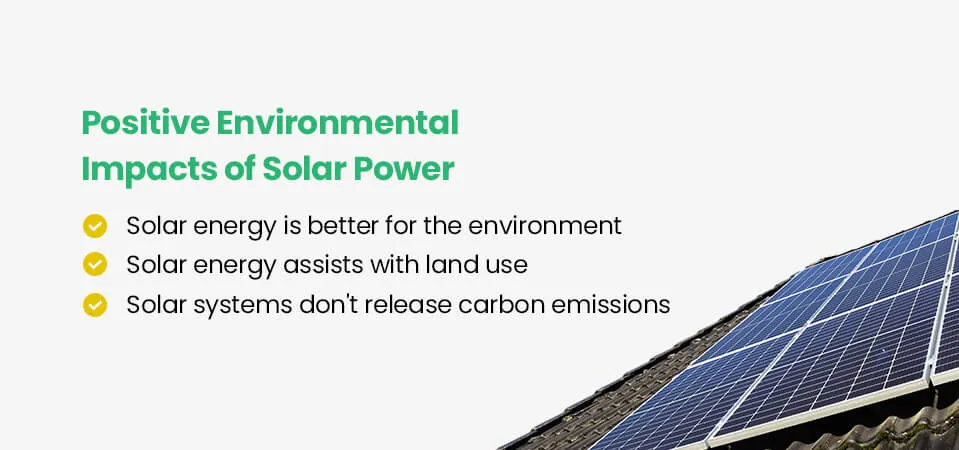
Considering the environmental impact of solar panels is crucial. Different factors contribute, starting with manufacturing processes. Some panels require more energy and resources to produce, leading to higher carbon emissions. Understanding manufacturing processes helps choose options with lower environmental impact.
Materials used in panels also matter. Some use rare or toxic materials, posing environmental and health risks. Others are made from sustainable or recycled components, reducing their footprint. Comparing materials helps align choices with environmental values.
End-of-life disposal is important too. While solar panels have long lifespans, they eventually need replacement. Proper disposal and recycling prevent environmental pollution. Choosing panels with recyclable materials or supporting recycling programs minimizes impact. Overall, considering manufacturing processes, materials used, and disposal options helps make environmentally sustainable choices when selecting solar panels.
6. Panel Degradation Rate and Long-Term Performance
When comparing solar panels, one often-overlooked factor is the panel degradation rate—how much power the panels lose each year as they age.
Most high-quality residential solar panels degrade at about 0.25%–0.5% per year, meaning they still produce close to 85–90% of their original output after 25 years.
For homeowners looking for the best solar panels in North Carolina, lower degradation is especially important because high summer temperatures and long sun exposure can accelerate wear on lower-quality panels.
Choosing panels with a proven low degradation rate helps protect your long-term return on investment and ensures your home solar system continues delivering reliable energy for decades. At 8M Solar, we prioritize panel manufacturers with strong real-world performance data—not just lab ratings.
7. Inverter and Balance-of-System Quality
Solar panels do not operate alone. The quality of your solar inverter, mounting hardware, and electrical components plays a major role in how well your entire system performs.
The inverter converts the energy produced by your panels into usable electricity for your home. A high-quality inverter can improve system efficiency, allow for panel-level monitoring, and make future system upgrades easier.
When choosing a solar installation company, it is important to evaluate the complete system design—not just the panel brand. A well-designed balance-of-system reduces downtime, improves safety, and ensures your solar panels perform as expected.
For homeowners investing in residential solar in North Carolina, choosing a properly engineered system is just as important as selecting the panels themselves.
8. Installer Experience and Professional Certifications
Even the best solar panels can underperform if they are not installed correctly. The experience of your installer directly affects system output, safety, and long-term reliability.
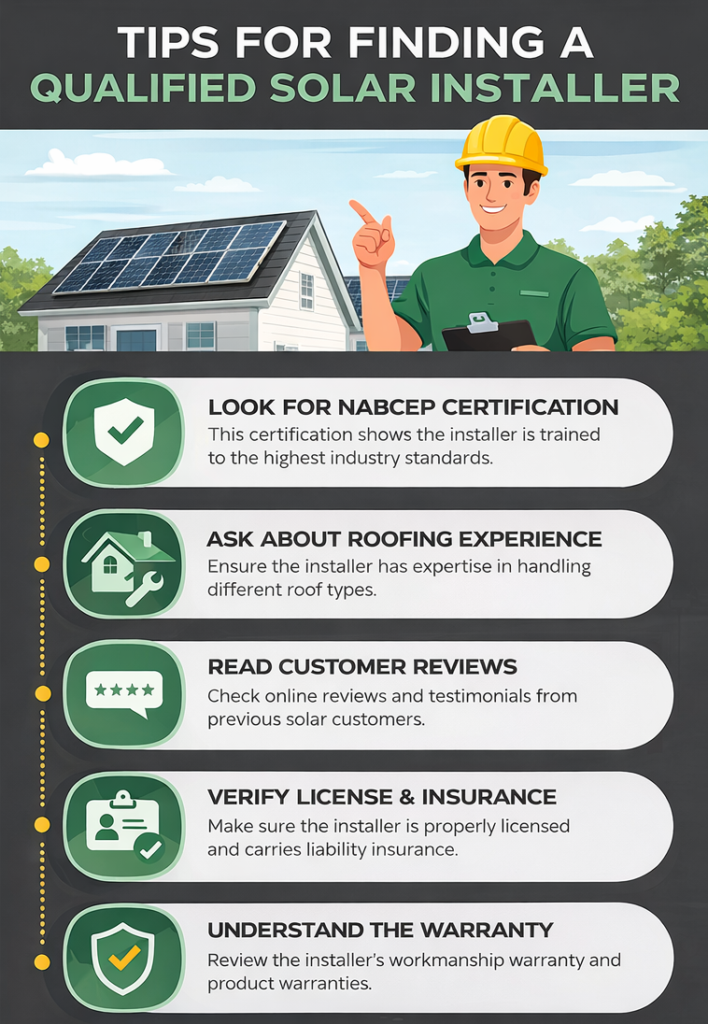
Look for a solar company with a strong track record of residential installations and professional certifications such as NABCEP (North American Board of Certified Energy Practitioners). These credentials demonstrate advanced training in solar design and installation standards.
A knowledgeable local installer understands roof structures, electrical codes, and utility requirements specific to your area. For homeowners comparing solar companies in North Carolina, working with an experienced, certified installer helps reduce permitting delays, prevents costly mistakes, and ensures your system is optimized from day one.
Proper installation is one of the most important factors in choosing solar panels wisely.
9. Performance in Local Climate and Weather Conditions
Not all solar panels perform the same in every environment. Climate plays a major role in how efficiently your panels operate over time.
For North Carolina homeowners, it is important to choose panels designed to handle high summer temperatures, humidity, heavy rain, and occasional severe storms. Look for strong wind ratings, impact resistance certifications, and a favorable temperature coefficient, which measures how well panels perform during hot weather.
Panels with better heat tolerance will maintain higher production during peak summer months when electricity demand is highest. Choosing solar panels built for real-world conditions helps improve system reliability and reduces the risk of weather-related damage over the life of your solar installation.
10. Monitoring Capabilities and Ongoing System Support
Modern solar panels can be paired with advanced monitoring tools that allow homeowners to track production, system health, and energy savings in real time.
A quality monitoring system helps identify performance issues early—such as inverter faults, shading problems, or connection failures—before they significantly impact your energy output. This added visibility can protect your investment and improve long-term system performance.
In addition to monitoring, ongoing support from your installer is critical. Reliable service, workmanship warranties, and responsive technical support ensure that your solar system continues operating efficiently long after installation.
When choosing solar panels and a solar provider, make sure monitoring and long-term service are part of the overall system solution—not an afterthought.
Choosing Solar Panels Wisely
When choosing solar panels, efficiency is key for maximizing energy output and reducing reliance on non-renewable sources. Additionally, durability and warranty coverage play vital roles in protecting your investment. Ensuring panels are weather-resistant and come with a solid warranty provides peace of mind against unexpected issues. It’s also crucial to balance cost and quality, considering factors like performance and reliability beyond the initial price tag. By carefully weighing these factors and considering compatibility with installation requirements, informed decisions can be made to meet energy needs while promoting environmental responsibility.
Selecting solar panels involves considering efficiency, durability, warranty coverage, and cost versus quality. Higher efficiency panels ensure better energy output over time, while a strong warranty protects your investment. Balancing cost and quality is crucial, as is ensuring compatibility with your installation requirements. Emerging technologies like bifacial panels offer exciting possibilities for enhancing efficiency. By carefully weighing these factors, you can make an informed decision that meets your energy needs while being environmentally responsible.
Whenever in doubt, call the professionals at 8MSolar and we are here to help you achieve your solar goals and needs.