
As an Apex resident, you’ve probably noticed solar panels becoming more common throughout our neighborhoods. From the new developments near Jordan Lake to the established communities around downtown Apex, homeowners are making the switch to solar energy. But how do these homeowners save money with their solar panels?
The answer lies in a billing system called net metering, which allows homeowners to earn credit for the excess power their solar panels produce. Think of it as your solar panels working as your personal power plant, generating electricity that can power your home directly or earn you credits when you produce more than you need.
This guide will demystify the net metering rules for Apex residents under Duke Energy’s “Solar Choice” program and show you how to make these policies work for your home and budget.
What is Net Metering?
The Grid as Your Energy Bank Account
Think of the utility grid like a bank account for electricity. During sunny days, your solar panels produce more energy than your home uses. This excess energy doesn’t go to waste, it gets “deposited” into the grid, earning you credits on your Duke Energy bill.
At night or during cloudy periods when your panels aren’t producing enough power, you “withdraw” energy from the grid to keep your lights on and appliances running. Net metering is the ledger system that tracks these deposits and withdrawals to calculate your monthly energy credits.
This two-way flow of electricity is what makes solar panels such a smart investment. Your roof becomes a mini power plant that meets your home’s energy needs and generates income through excess production.
How It Reduces Your Electric Bill
These energy credits offset the cost of electricity you pull from the grid, which can lower your monthly Duke Energy bill. Many Apex homeowners see their electricity bills drop by 70-90% after installing solar panels, with some achieving net-zero electricity costs throughout the year.
The beauty of net metering is that it allows you to use the grid as a massive battery. Instead of your excess solar energy going unused, it benefits your neighbors while earning you money—a win-win situation.
The New Reality for Apex
Why the Old Rules No Longer Apply
If you’ve been researching solar energy for a while, it’s important to understand that Duke Energy’s net metering policies changed in 2022. Anyone installing solar panels today will be enrolled in the new “Solar Choice” program, which operates differently from the previous system.
The old system provided a straightforward 1-to-1 credit for every kilowatt-hour you sent to the grid. While the new program is more complex, it can still offer excellent savings when you understand how to work with it.
Introducing Time-of-Use (TOU) Rates
The biggest change in the “Solar Choice” program is the introduction of Time-of-Use rates. This means the price of electricity and the value of your solar credits change throughout the day, based on when energy demand is highest.
Here’s how TOU rates work:
- Off-Peak Hours (typically 10 PM to 2 PM): Lower electricity rates when demand is low
- On-Peak Hours (typically 2 PM to 7 PM): Higher electricity rates during peak demand
- Mid-Peak Hours: Moderate rates during transition periods
For Apex residents, this creates challenges and opportunities. Understanding these time periods is vital for maximizing your solar savings.
How “Solar Choice” Credits Work
Under the new system, the energy you send to the grid receives credits based on when you export it. This is the biggest difference from the old program. Your solar panels might generate power during off-peak hours (when credits are worth less) while your home uses the most electricity during on-peak hours (when electricity costs more).
This time-based crediting system requires a more strategic approach to solar energy, but with the right system design and usage patterns, you can still achieve savings.

How to Maximize Your Savings Under Apex’s New Rules
Strategy 1: Shift Your Energy Usage
One of the simplest ways to optimize your savings is to shift your energy usage to align with your solar production. Consider running high-energy appliances during midday when your panels are producing the most power and grid rates are lowest.
Smart scheduling can include:
- Running your dishwasher and washing machine between 10 AM and 2 PM
- Charging electric vehicles during sunny afternoon hours
- Using pool pumps and other motor-driven equipment during peak solar production
- Pre-cooling your home before evening on-peak hours
This strategy allows you to use your own solar power rather than sending it to the grid for credits and then buying more expensive electricity later.
Strategy 2: Add a Solar Battery for Total Control
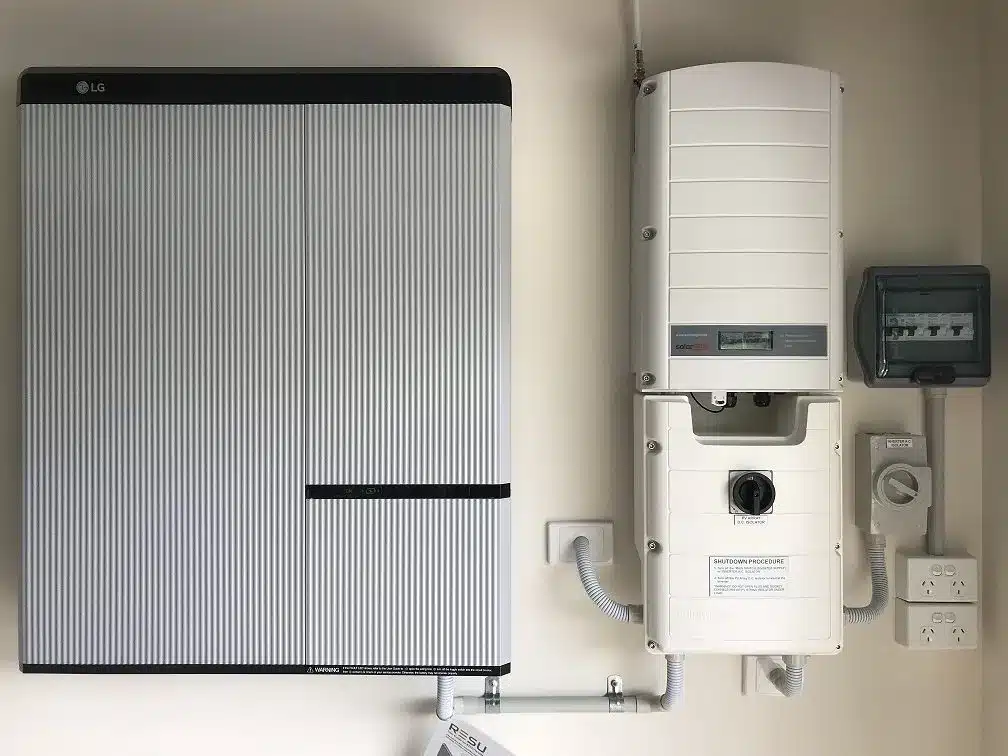
A solar battery storage system is the ultimate solution for managing TOU rates effectively. With a battery, you can store your free, self-generated solar energy during the day and use it during expensive on-peak evening hours, avoiding high grid electricity prices.
Here’s how battery storage transforms your energy management:
- Daytime: Solar panels charge your battery with excess energy
- Evening Peak Hours: Your battery powers your home instead of expensive grid electricity
- Night Hours: Any remaining battery power continues to offset grid usage
- Emergency Backup: Your battery provides power during outages, keeping essential appliances running
Battery technology has improved while costs have decreased, making it an attractive option for Apex homeowners who want maximum control over their energy costs.
Strategy 3: Get an Expert System Design
Modern solar installations are no longer just about generating the most power possible. Success under the “Solar Choice” program requires generating and storing power at the right times to maximize financial benefits.
An expert system design considers:
- Your family’s specific energy usage patterns
- The orientation and shading of your roof
- Integration with battery storage systems
- Optimal sizing for your home’s needs and Duke Energy’s rate structure
- Future energy needs, such as electric vehicle charging
Cookie-cutter solar installations won’t deliver optimal results under TOU rates. You need a customized approach that treats your home as a unique energy ecosystem.

Example of a Modern Solar Bill in Apex
To make these concepts concrete, let’s look at a simplified example of how a solar bill works under the “Solar Choice” program for a typical Apex home:
Monthly Energy Summary:
- Energy Consumed (On-Peak): 400 kWh at $0.12/kWh = $48.00
- Energy Consumed (Off-Peak): 600 kWh at $0.08/kWh = $48.00
- Energy Exported (Off-Peak): 800 kWh at $0.06/kWh = $48.00 credit
- Base Facilities Charge: $11.00
Final Calculation:
- Total Consumption Charges: $96.00
- Total Export Credits: $48.00
- Base Facilities Charge: $11.00
- Net Monthly Bill: $59.00
This example shows how strategic energy usage and proper system sizing can still result in big savings, even under the new rate structure.

Frequently Asked Questions (FAQ) about Net Metering
Do I still get a 1-to-1 credit for my solar power?
Not in the traditional sense. Under Duke Energy’s “Solar Choice” program, your credit value depends on when you send power to the grid due to Time-of-Use rates. Credits earned during off-peak hours are worth less than the electricity you might purchase during on-peak hours, which is why battery storage and strategic energy usage are so important.
Do I still have a monthly bill with solar panels in Apex?
Yes, you’ll still receive a monthly bill from Duke Energy that includes a “base facilities charge” (usually around $11). This charge covers your connection to the grid and ensures you have access to electricity whenever you need it, regardless of weather conditions or solar production.
What happens to my excess credits at the end of the month?
Excess credits roll over from month to month, allowing you to build up credits during high-production summer months and use them during lower-production winter months. At the end of each 12-month billing cycle, Duke Energy conducts an annual settlement where any remaining excess credits are paid out at a lower wholesale rate.
Is Apex a good place for solar with these new rules?
Absolutely. Apex receives excellent sunlight throughout the year, and North Carolina’s solar incentives remain strong. While the net metering rules have evolved, a properly designed solar system—especially one that includes battery storage—can provide savings and a strong return on investment.
The key is working with a solar installer who understands both the technology and Duke Energy’s specific programs to design a system that maximizes your benefits under the current rules.
Partner with a Local Expert for Your Apex Solar Project
Net metering in Apex has evolved since 2022, but it continues to offer financial benefits for homeowners who approach it strategically. Success lies in understanding Duke Energy’s Time-of-Use rates and designing a solar system that works with these policies rather than against them.
Modern solar success in Apex is about creating an integrated energy management system that includes proper sizing, smart energy usage, and battery storage. This requires expertise in solar technology and Duke Energy’s specific rate structures.
At 8MSolar, we’ve helped hundreds of North Carolina homeowners navigate these evolving policies while maximizing their solar savings. Our team understands the intricacies of Duke Energy’s “Solar Choice” program and can design a system that’s perfectly tailored to your home’s energy needs and your family’s usage patterns.
Ready to see how a modern solar and battery system can work for your Apex home? Schedule a consultation to discover how the net metering policies can maximize your solar savings. With the right design and local expertise, your solar investment can deliver decades of energy independence and financial benefits.