Federal Solar Program: Solar for All
On June 28, 2023, the EPA launched a $7 billion funding opportunity called Solar for All — a cornerstone of the $27 billion Greenhouse Gas Reduction Fund established by Congress under the Inflation Reduction Act. The Solar for All program is designed to expand access to solar energy for low-income and disadvantaged communities across the country, funding residential and community solar projects that would otherwise be out of reach for many families.
The program awarded up to 60 grants nationwide — ranging from $25 million to $400 million each — to states, territories, Tribal governments, municipalities, and qualified nonprofits. For North Carolina, this meant a major opportunity to accelerate clean energy access for the communities that need it most.
Solar for All in North Carolina: The EnergizeNC Program
On October 11, 2023, the North Carolina EnergizeNC coalition submitted their application for the EPA’s Solar for All grant. The coalition is led by the State Energy Office of the North Carolina Department of Environmental Quality and supported by partners including Advanced Energy, the North Carolina Clean Energy Technology Center, and the North Carolina Clean Energy Fund.
The coalition requested $250 million to implement a comprehensive, equity-focused solar program across North Carolina. By the end of the five-year program, the coalition aims to install at least 69.5 megawatts of residential solar power, delivering meaningful energy savings to more than 20,000 low-income and disadvantaged households — including communities on state and federally recognized tribal lands.
Why North Carolina Needs Solar for All
North Carolina is one of the fastest-growing solar markets in the Southeast — but that growth hasn’t reached everyone equally. Low-income households and communities of color across the state continue to face significant barriers to solar adoption:
- Energy burden: Lower-income families in NC pay energy costs that are up to three times higher as a percentage of income compared to middle and upper-income households. For families spending more than 6% of their income on energy, the financial strain is substantial.
- Access barriers: High upfront installation costs, limited access to financing, and complex application processes have historically made solar inaccessible for many NC residents most in need of lower energy bills.
- Policy gaps: Unlike states like Virginia, North Carolina does not have a solar carve-out in its Renewable Portfolio Standard — meaning there’s no SREC market to provide ongoing income from solar production. NC residents rely on different programs, like the Duke Energy PowerPair incentive and the federal ITC, to make solar financially viable.
- Environmental justice: Many of North Carolina’s disadvantaged communities are disproportionately affected by pollution from fossil fuel power plants. Solar for All directly addresses this by bringing clean energy to the communities bearing the heaviest environmental burden.
Solar for All aims to cut at least 20% off average monthly utility bills for qualifying households — a meaningful reduction for families for whom energy costs represent a significant portion of their monthly budget.
EnergizeNC Program Goals
The EnergizeNC coalition organized their program around four core goals, designed to ensure the program delivers real, lasting benefits to the communities it serves:
Goal 1: Community-Led Program Design
EnergizeNC committed to spending the first year of the program listening directly to low-income and disadvantaged communities across North Carolina. Rather than imposing a top-down program design, the coalition built their approach around the actual needs, concerns, and priorities of the people they aim to serve — ensuring the program delivers maximum impact where it matters most.
Goal 2: Expand Residential and Community Solar Access
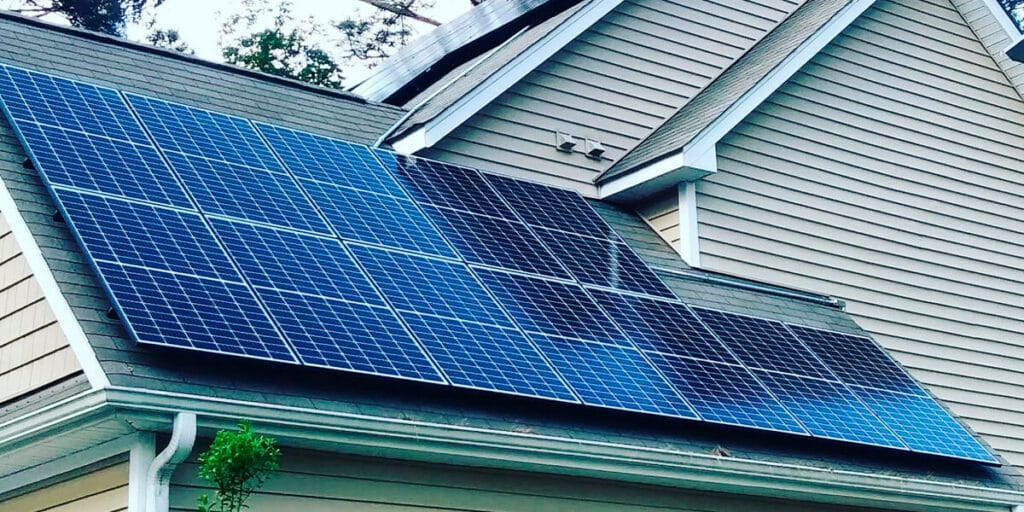
The heart of the program is direct solar installation — rooftop solar panels on low-income single-family homes and apartment buildings across North Carolina, paired with battery storage in select cases. Community solar options will also be made available, allowing renters and those without suitable roofs to access clean energy benefits and lower electricity bills.
Goal 3: Build a Skilled Solar Workforce
EnergizeNC is investing in the development of a trained solar workforce — with a focus on creating job opportunities in minority and tribal communities. The program emphasizes fairness and consumer protection throughout the process, ensuring that participants are treated honestly and protected from predatory practices.
Goal 4: Ensure Benefits Reach Disadvantaged Communities
Every element of the EnergizeNC program is designed with equity at its core. The coalition is committed to ensuring that the financial savings, clean energy access, and economic opportunities created by the program flow directly and equitably to North Carolina’s most disadvantaged communities — not just the communities where it’s easiest to install solar.
What Will EnergizeNC Look Like in Practice?
EnergizeNC plans to deliver solar access through three primary channels:
- Rooftop solar for single-family homes: Direct installation of rooftop solar panels on qualifying low-income homes across North Carolina, with battery storage added in select cases to provide backup power and additional bill savings.
- Behind-the-meter solar for multifamily housing: For nonprofit-owned and publicly managed apartment buildings and multifamily housing, EnergizeNC will fund behind-the-meter solar installations that reduce energy costs directly for residents of those buildings.
- Community solar pilot programs: EnergizeNC will partner with city utilities and electric cooperatives to launch community solar programs, allowing residents who can’t install rooftop solar — including renters and those in apartments — to participate in shared solar projects and see real reductions in their electricity bills.

How Does EnergizeNC Fit Into North Carolina’s Broader Solar Landscape?
EnergizeNC is one piece of a larger solar incentive picture for North Carolina homeowners. Here’s how it fits alongside the other major programs available in the state:
- EnergizeNC / Solar for All: Targeted specifically at low-income and disadvantaged households. Provides subsidized or free solar installation funded by the federal grant.
- Duke Energy PowerPair: Available to all Duke Energy NC customers installing new solar plus battery storage. Provides up to $9,000 in upfront rebates — one of the most generous solar incentives in the state. Learn more about PowerPair here.
- 30% Federal Investment Tax Credit (ITC): Available to all homeowners who own their solar system (purchased outright or financed with a loan). Provides a credit equal to 30% of the total system cost, through 2032.
- NC Net Metering: North Carolina utilities offer net metering, allowing solar homeowners to receive bill credits for excess energy sent to the grid — reducing or potentially eliminating monthly electricity costs.
Frequently Asked Questions About EnergizeNC
Who qualifies for the EnergizeNC Solar for All program?
The program targets low-income and disadvantaged households in North Carolina — particularly those spending more than 6% of their income on energy costs. Eligibility criteria will be defined by the EnergizeNC coalition as the program rolls out. Tribal community members and residents of publicly recognized disadvantaged communities are prioritized.
Is EnergizeNC available across all of North Carolina?
The program is designed to serve disadvantaged communities statewide — including urban, rural, and tribal areas across North Carolina. Community solar pilots will be developed in partnership with local utilities and cooperatives, which may affect availability in some areas. Contact 8MSolar for the latest information on program availability in your area.
Can I combine EnergizeNC with other solar incentives?
Potentially — depending on how the program is structured and how your solar system is financed. Programs like the federal ITC require you to own your system, so combining with a grant-funded installation may have specific rules. The EnergizeNC coalition will define the exact terms. 8MSolar can help you understand which combination of incentives makes the most financial sense for your household.
When will EnergizeNC begin accepting applications?
The EPA awarded Solar for All grants in April 2024. EnergizeNC is in the program development and community engagement phase as of 2025, with installations expected to ramp up over the five-year program period. For the most current timeline, visit the NC Department of Environmental Quality website or contact 8MSolar for updates.
8MSolar Is Here to Help
Whether you’re curious about EnergizeNC eligibility, want to understand how Solar for All fits into your overall solar plan, or are simply ready to explore going solar in North Carolina, 8MSolar is here to guide you through every option available. As North Carolina’s most trusted solar installer, we stay current on every federal, state, and utility program so you never miss an incentive you qualify for.
8MSolar is equipment agnostic — meaning we design the right system for your home and goals, not the easiest system for us to sell. Contact us today for a free consultation and find out exactly how you can take advantage of solar in North Carolina.